
The Titanic: A Tragedy That Shook the World
The Unsinkable Ship That Sank on Her Maiden Voyage

Introduction
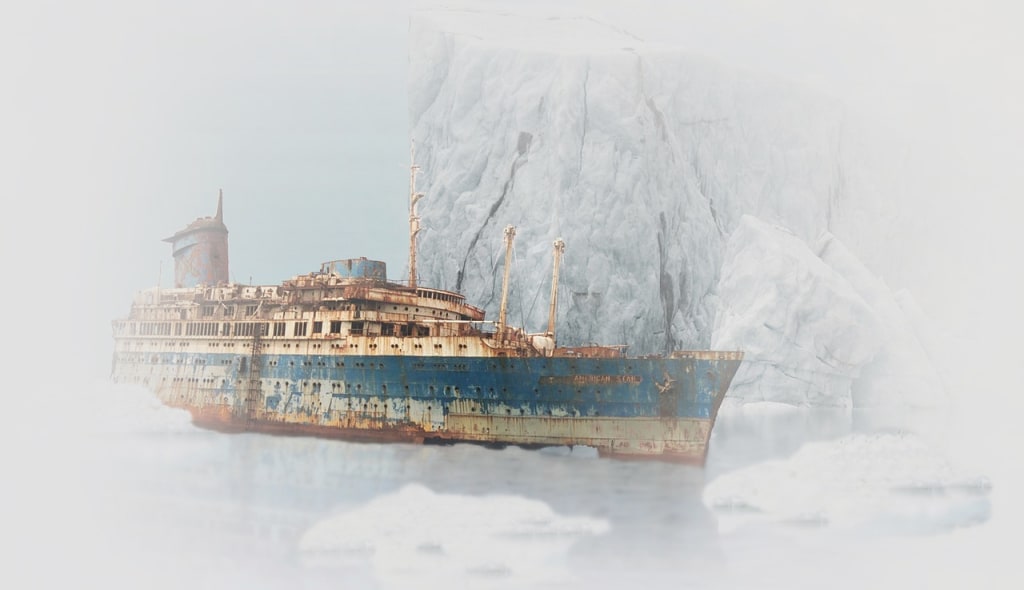
The sinking of the RMS Titanic on April 15, 1912, was one of the most tragic maritime disasters in history. The ship, which was on its maiden voyage from Southampton to New York City, struck an iceberg and sank in just over two hours. Over 1,500 people died, making it one of the deadliest commercial peacetime maritime disasters in modern history.
The Titanic was the largest ship afloat at the time of her construction, and was considered to be "unsinkable." She was 882 feet long and 92 feet wide, and weighed over 46,000 tons. The ship was powered by two steam turbines, and could reach a top speed of 23 knots.
The Ship
The Titanic was built by the Harland and Wolff shipyard in Belfast, Ireland. She was designed by Thomas Andrews, who was also the ship's architect. The Titanic was built to the highest standards of the time, and was equipped with the latest safety features. However, there were some flaws in her design that contributed to her sinking.
One of the flaws in the Titanic's design was the number of lifeboats. The ship was only equipped with 20 lifeboats, which could only hold about 1,178 people. This was not enough lifeboats for the ship's full capacity of 2,224 passengers and crew.
Another flaw in the Titanic's design was the way her hull was divided into compartments. The hull was divided into 16 watertight compartments, but these compartments were not sealed at the top. This meant that if one compartment flooded, the water could spill over into the other compartments.
The Sinking
The Titanic struck an iceberg at 11:40 p.m. on April 14, 1912. The iceberg ripped a gash in the ship's hull, and she began to sink. The ship's lifeboats were launched, but many passengers and crew were left behind. The Titanic sank at 2:20 a.m. on April 15, 1912.
The Aftermath
The sinking of the Titanic was a major tragedy, and it had a profound impact on the world. The disaster led to new safety regulations for ships, and it also helped to change the way people thought about the ocean. The Titanic remains one of the most famous ships in history, and her story continues to fascinate people today.
The Survivors
Of the 2,224 passengers and crew on board the Titanic, only 705 survived. The survivors were rescued by the RMS Carpathia, which arrived on the scene at 4:10 a.m. on April 15, 1912. The survivors were taken to New York City, where they were greeted as heroes.
The Investigation
An investigation into the sinking of the Titanic was conducted by the British Board of Trade. The investigation found that the Titanic's sinking was caused by a combination of factors, including the ship's speed, the lack of lifeboats, and the flaws in her design.
The Legacy
The sinking of the Titanic had a profound impact on the world. The disaster led to new safety regulations for ships, and it also helped to change the way people thought about the ocean. The Titanic remains one of the most famous ships in history, and her story continues to fascinate people today.
The Titanic in Popular Culture
The sinking of the Titanic has been the subject of many books, movies, and television shows. Some of the most famous works of Titanic-related popular culture include:
The novel "A Night to Remember" by Walter Lord (1955)
The film "Titanic" (1997) directed by James Cameron
The television miniseries "Titanic" (1996)
The musical "Titanic" (1997)
The Titanic's story continues to fascinate people today, and she remains one of the most famous ships in history. The ship's sinking is a reminder of the dangers of the ocean, and it is a testament to the human spirit that so many people survived the tragedy.
Conclusion
The sinking of the Titanic was a tragedy that shook the world. The loss of life was immense, and the disaster led to a number of changes in maritime safety. The Titanic's story continues to fascinate people today, and she remains one of the most famous ships in history.
About the Creator
Muhammad Danish
Hi, I'm Danish. I'm a writer, a creative thinker, and a lifelong learner. I'm passionate about sharing my stories and experiences with the world, and I believe that everyone has a story to tell.
Keep reading
More stories from Muhammad Danish and writers in History and other communities.
What Occupation Would I Have If I Were Born in a Different Historical Period?
If I were born in a different historical period, my occupation would likely be very different from what it is today. I am a software engineer by trade, but in many other times and places, my skills would be less valuable. In fact, I might not even be able to read or write, which would severely limit my job prospects.
By Muhammad Danish3 years ago in History
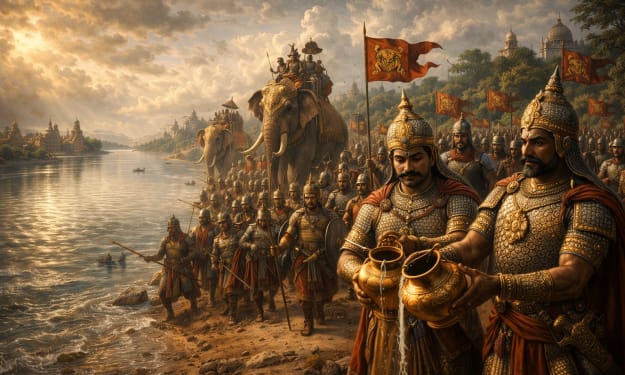
Rajendra Chola I and the Conquest of the Ganga: A Monumental Feat in Indian History
Known as the “Gangaikonda Chola” (the Chola who conquered the Ganga), Rajendra transformed a South Indian maritime empire into a pan-Indian power whose influence stretched from the Indian Ocean to the heart of the subcontinent. This campaign was not merely a military raid but a bold statement of imperial ambition, strategic brilliance, and cultural confidence.
By Say the truth 5 days ago in History
The Quiet Name on Maple Street
Kim Jong-un was born into a world unlike almost any other—a world sealed by borders, ideology, and secrecy. As the grandson of Kim Il-sung, the founder of North Korea, and the son of Kim Jong-il, the country’s second leader, Kim Jong-un entered life already wrapped in destiny. In North Korea, leadership is not chosen by ballots or debate; it is inherited like a crown, reinforced by loyalty, fear, and an unyielding political system.
By The best writer a day ago in History



Comments
There are no comments for this story
Be the first to respond and start the conversation.