
The Suffering of Jews During World War II
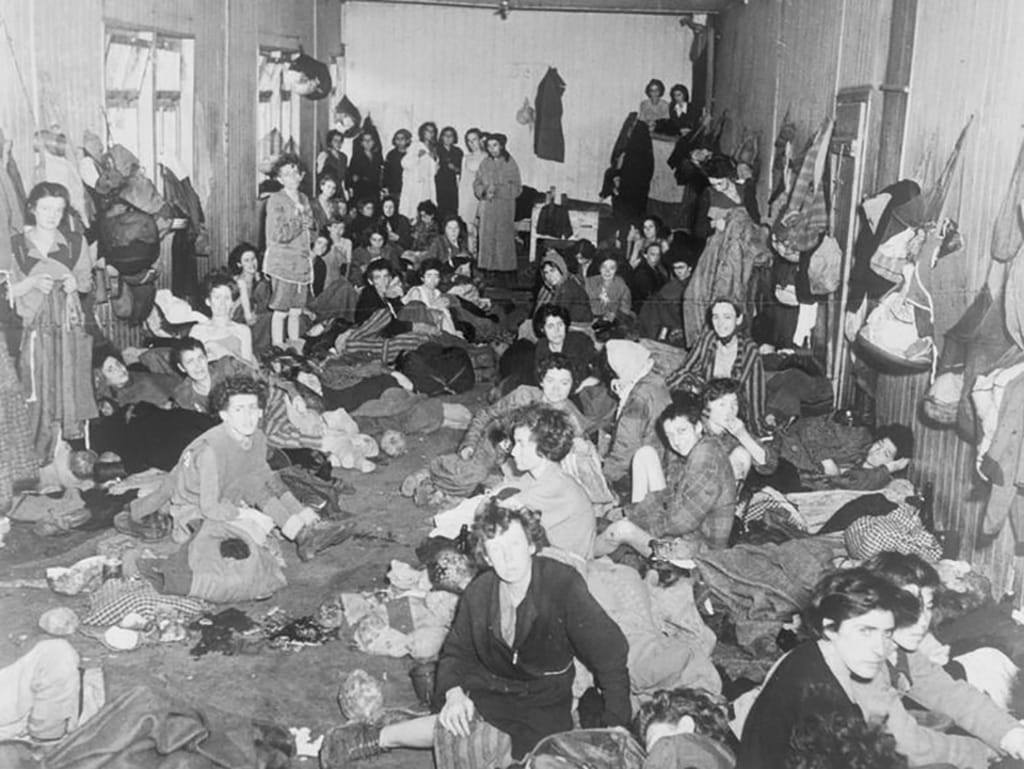
World War II was one of the darkest periods in human history, particularly for Jewish communities across Europe. The Nazi regime, under Adolf Hitler, orchestrated a brutal campaign against Jews, leading to the Holocaust—a systematic attempt to annihilate an entire population. The suffering endured by Jews during this period was unprecedented, leaving lasting scars on survivors, families, and the global community.

The Suffering of Jews During World War II
World War II was one of the darkest periods in human history, particularly for Jewish communities across Europe. The Nazi regime, under Adolf Hitler, orchestrated a brutal campaign against Jews, leading to the Holocaust—a systematic attempt to annihilate an entire population. The suffering endured by Jews during this period was unprecedented, leaving lasting scars on survivors, families, and the global community.
1. Rise of Anti-Semitic Policies and Nazi Ideology
From the onset of the Nazi regime in Germany in 1933, anti-Semitic policies were quickly implemented. Jews were labeled as enemies of the state and blamed for Germany’s socio-economic troubles. The Nuremberg Laws of 1935 stripped Jews of citizenship, forbidding intermarriage between Jews and non-Jews, and excluding them from professional roles, which led to widespread discrimination. Jewish businesses were boycotted, Jewish children were segregated in schools, and families were forced into overcrowded ghettos.
2. Life in the Ghettos
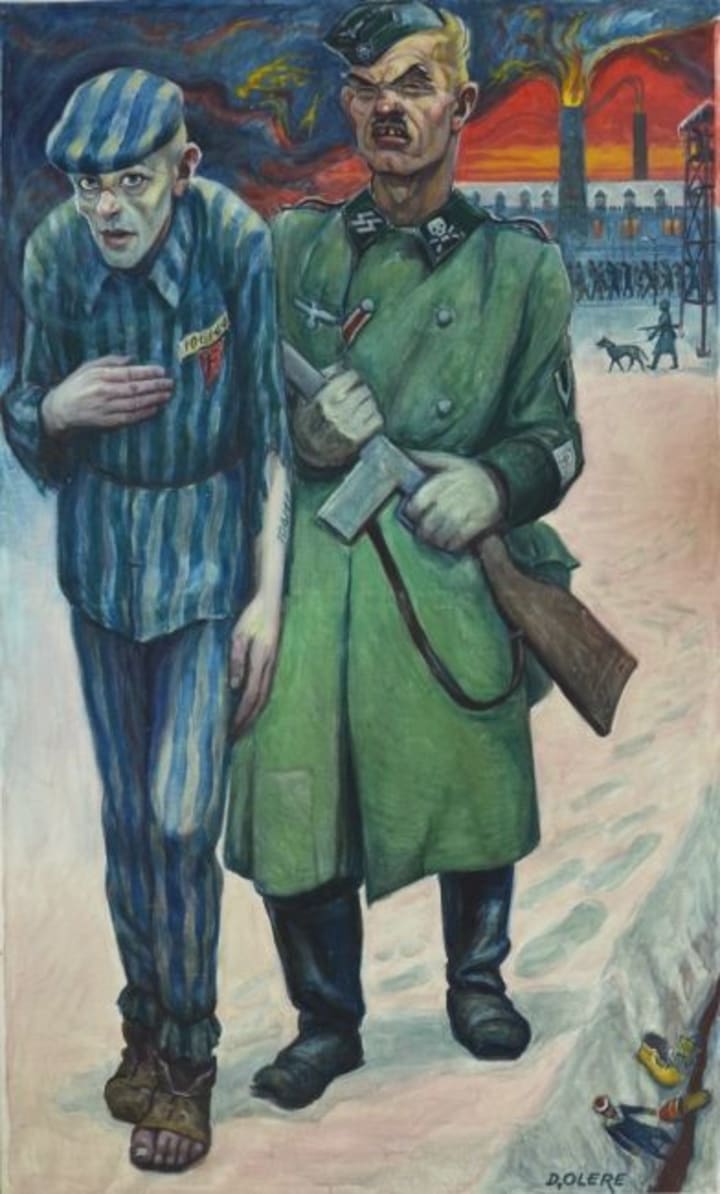
As Nazi forces expanded across Europe, Jewish people were uprooted from their homes and forced into ghettos—overcrowded, walled-off sections of cities with extremely poor conditions. In these ghettos, like those in Warsaw, Lodz, and Krakow, food was scarce, sanitation was inadequate, and disease was rampant. Families were cramped into tiny spaces, and many died from starvation, illness, and the brutality of the guards.
Despite the harsh conditions, Jewish communities tried to maintain some semblance of normalcy and hope. They set up makeshift schools, cultural programs, and underground newspapers. Acts of resistance within the ghettos included attempts to document Nazi atrocities and smuggling food to help those starving. These efforts served as reminders of resilience and humanity in the face of unimaginable oppression.
3. Deportations to Concentration Camps
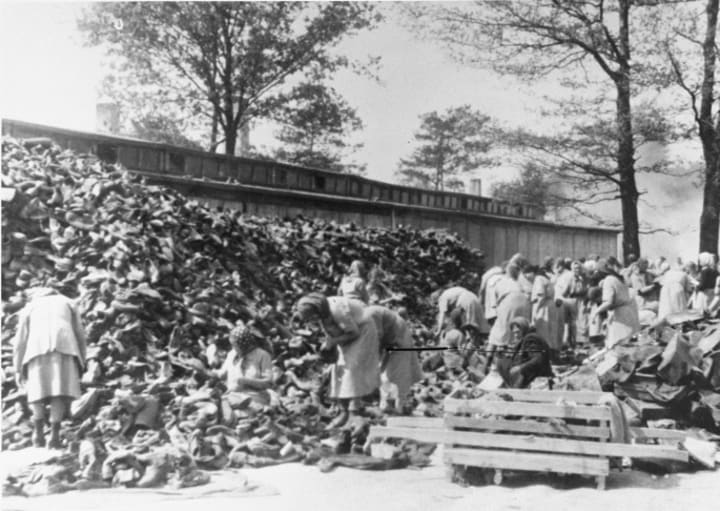
As Nazi policies grew harsher, millions of Jews were deported to concentration camps, the most notorious of which included Auschwitz, Treblinka, and Sobibor. This systematic deportation, known as the "Final Solution," began in 1941 and aimed to exterminate the Jewish population. Families were torn apart, with men, women, and children crammed into trains without food, water, or sanitation for days as they were transported to the camps.
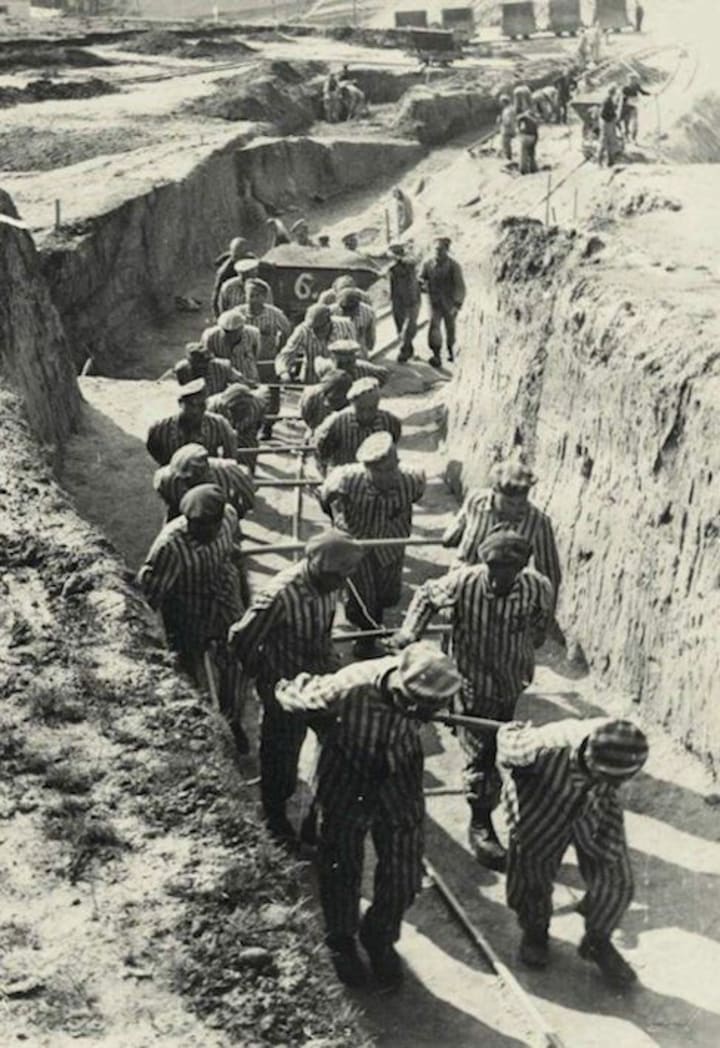
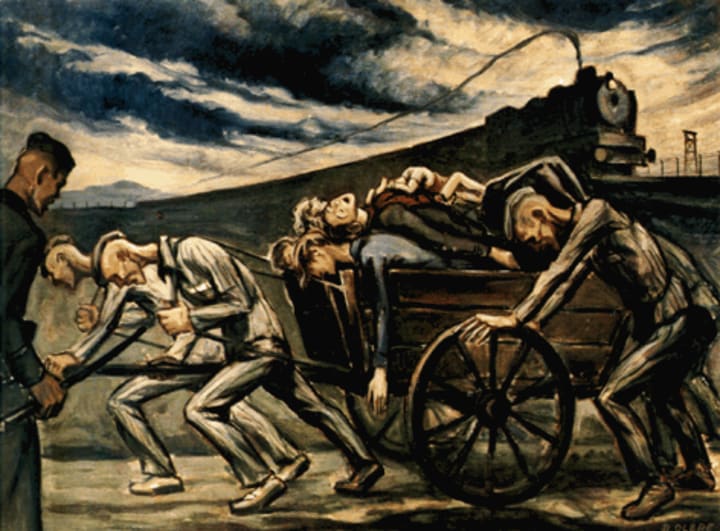
Upon arrival, individuals were subjected to “selections,” where Nazi officers would determine who was fit to work and who would be sent immediately to gas chambers. Children, the elderly, and those who appeared weak or ill were often among the first to face execution. Those deemed able to work were forced into grueling labor with little food or medical care, enduring unimaginable hardships.
4. Daily Suffering and Inhuman Conditions in Camps
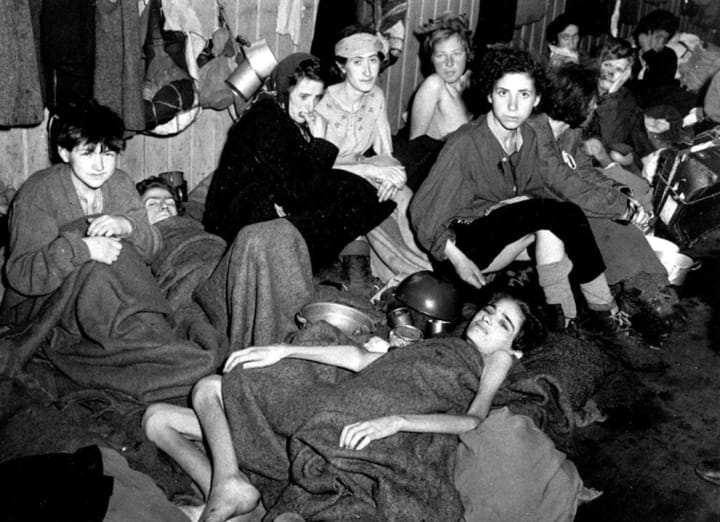
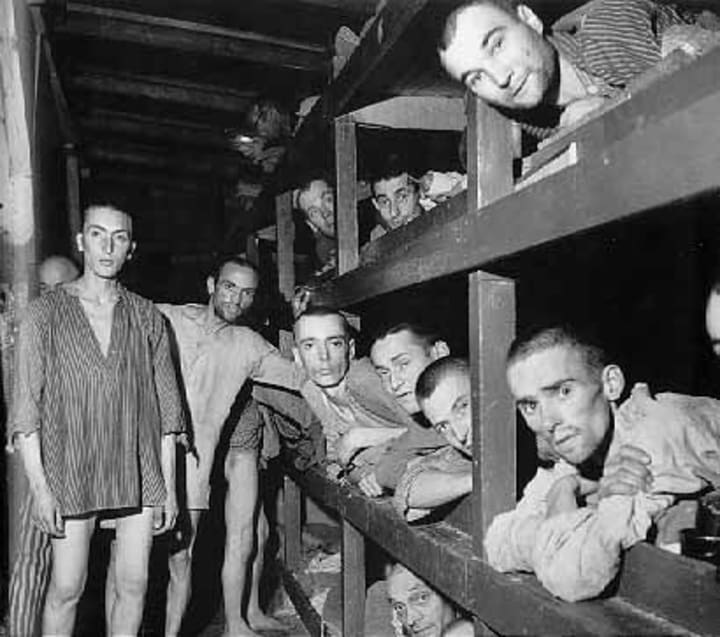
Life within concentration camps was characterized by extreme suffering. Prisoners faced starvation, overcrowded barracks, exposure to extreme weather, disease, forced labor, and violent punishments. Medical experiments were performed on inmates, especially on children and twins, by Nazi doctors like Josef Mengele, resulting in irreversible trauma and death for many victims.
The gas chambers and crematoria became the most horrific tools of Nazi terror, designed for the mass killing of Jews. Families were often unaware of their impending fate until moments before execution. These camps became a central symbol of the Holocaust, where over six million Jewish men, women, and children perished.
5. Resistance and Resilience
Despite the overwhelming odds, Jewish people resisted. Some managed to escape from ghettos or hide in forests, joining resistance movements, while others engaged in uprisings within the camps and ghettos. The Warsaw Ghetto Uprising in 1943 was a significant act of resistance, with Jewish fighters, armed with smuggled weapons, fighting for their lives. Though ultimately crushed, this uprising inspired similar resistance efforts across occupied Europe.
Many non-Jews, including members of the Polish underground and individuals across Europe, risked their lives to shelter Jews. These brave actions saved countless lives and demonstrated solidarity and courage against the Nazi regime.
6. Liberation and Aftermath
The liberation of concentration camps by Allied forces in 1944-1945 revealed the true horrors of the Holocaust to the world. Survivors emerged from the camps, many of whom were emaciated, sick, and traumatized. Returning to a world that had often turned a blind eye to their suffering, survivors faced immense challenges in rebuilding their lives and grappling with the losses of loved ones, homes, and communities.
Efforts to seek justice led to the Nuremberg Trials, where top Nazi officials were prosecuted for war crimes, crimes against humanity, and genocide. These trials marked a significant step toward recognizing the Holocaust's atrocities and establishing accountability for those responsible.
7. The Lasting Impact
The suffering endured by Jews during World War II remains an essential part of world history and collective memory. The Holocaust is a reminder of the destructive power of hate, prejudice, and unchecked authority. Memorials, museums, and educational programs around the world continue to honor those who suffered and died and to teach future generations the importance of tolerance, human rights, and the vigilance required to prevent such atrocities from happening again.
Conclusion
The suffering of Jews during World War II is a testament to both the depths of human cruelty and the resilience of the human spirit. In remembering and understanding this period, we honor the victims and affirm a commitment to a future free from such violence and hatred. The Holocaust’s lessons serve as a powerful call to protect human dignity and foster peace for all communities worldwide.
About the Creator
Say the truth
"Say the Truth: Explain Everything in the World" is your trusted source for uncovering facts and exploring the wonders of history, science, technology, and beyond. We simplify complex ideas and reveal truths to inspire curiosity .
Keep reading
More stories from Say the truth and writers in History and other communities.
The Time Travel Train: Journey Through Eras on Rails
The Time Biking Train: Adventure Through Eras on Rails Imagine dispatch assimilate a alternation that doesn’t aloof carriage you from one burghal to addition but instead whisks you abroad through centuries, acceptance you to attestant actual contest and approaching marvels. Welcome aboard the Time Biking Alternation – a abstraction that blends science fiction, technology, and imagination, able a ride that takes cartage beyond time rather than distance. This blood-tingling abstraction opens up new realms for history enthusiasts, sci-fi fans, and anyone analytical about humanity’s accomplished or its future.
By Say the truth about a year ago in History
The Hard Ways Trump Could Try to Take Greenland
When Donald Trump was president of the United States, he shocked the world by saying he wanted to buy Greenland. Many people laughed, but others took the idea seriously. Greenland is a huge island in the Arctic. It is rich in natural resources and very important for military defense. Today, Greenland belongs to Denmark, but it also governs itself in many areas.
By sehzeen fatima7 days ago in History
The Timeless Pyramids of Egypt: Stories from the Ancient World
Egypt is home to some of the most remarkable monuments ever built by humans: the pyramids. Rising from the sands of the Giza Plateau, these colossal structures have inspired curiosity and admiration for thousands of years. They were built as tombs for the pharaohs, yet they tell a much larger story—one of human skill, ambition, and belief in the afterlife. The most famous of these pyramids is the Great Pyramid of Giza, built for Pharaoh Khufu around 2580 BCE. Originally, it reached a height of about 146 meters (480 feet) and was the tallest man-made structure in the world for nearly 4,000 years. Its construction required millions of limestone blocks, some weighing several tons. Even today, historians and archaeologists are amazed at the precision and scale achieved by ancient builders without modern tools. The Egyptians built these monumental structures not merely as tombs, but as gateways to the afterlife. They believed that the pharaoh, considered a god on earth, would continue his journey in eternity. The pyramid’s triangular shape symbolized the pharaoh’s ascent to the heavens. Inside, burial chambers held treasures, inscriptions, and statues meant to guide and protect the ruler in the world beyond. How the pyramids were built remains a topic of debate. There are many theories, including the use of ramps or sledges to move the massive stones. Regardless of the methods, constructing these tombs required incredible planning, organization, and teamwork. Tens of thousands of workers labored for decades to create what would become one of the world’s greatest architectural achievements. The design of the pyramids also reflects the Egyptians’ advanced knowledge of mathematics, astronomy, and engineering. They aligned the pyramids with the cardinal points and certain stars, showing a deep understanding of the sky. The precise measurements and geometric accuracy have helped these structures survive thousands of years, enduring both natural wear and occasional earthquakes. While the Giza pyramids are the most famous, Egypt has over 100 pyramids scattered across the country, including those at Saqqara, Dahshur, and Abu Sir. Each one tells a story about the evolution of Egyptian architecture, from the earliest step pyramids to the smooth-sided ones that have become iconic. These structures also reveal much about Egyptian society, including their religious beliefs, social organization, and artistic achievements. The pyramids were not built in isolation. They were part of larger complexes that included temples, smaller tombs, and monuments that reflected the pharaoh’s divine status. They were centers of activity, culture, and ceremony, connecting the people to their rulers and to the gods they worshiped. Today, the pyramids continue to inspire awe. Millions of visitors come to Egypt each year to witness their grandeur firsthand. Archaeologists keep discovering new insights into how these incredible structures were built and what they meant to the people of ancient Egypt. Yet, despite all the research, ds stet of mystery, reminding us that some secrets of history endure across millennia. The pyramids are more than just stone monuments; they are symbols of human ambition and achievement. They remind us that with vision, skill, and persistence, people can create works that last far beyond their lifetimes. Standing in front of a pyramid, it is easy to imagine the hands that placed each block, the minds that designed the complex structures, and the determination that made the impossible possible. In the end, the Egyptian pyramids are timeless. They connect us to a world that existed thousands of years ago, teaching lessons about creativity, devotion, and human potential. They are monuments not only of history but of inspiration—a lasting testament to what humans can achieve when imagination and effort come together.
By Binan Mooon3 days ago in History




Comments
There are no comments for this story
Be the first to respond and start the conversation.