
The Silent Revolution: How the Spice Trade Reshaped the World
The Invisible Forces That Sparked Global Exploration and Empires

The Origins of the Spice Trade
The story of the spice trade begins thousands of years ago in the tropical regions of Asia, particularly in India, Indonesia, and Sri Lanka. Spices were initially prized for their culinary uses, but they also held medicinal, religious, and preservation value.
By 2000 BCE, civilizations in Mesopotamia, Egypt, and the Indus Valley were already trading spices through complex networks. Caravans and ships braved harsh deserts and treacherous seas to bring these coveted goods to markets in Europe, the Middle East, and North Africa.
The famous Silk Road wasn’t just for silk — it also carried spices over land, connecting Asia to the Mediterranean. Maritime routes along the Red Sea and Indian Ocean enabled ships to transport spices faster and in larger quantities. This intricate web of trade allowed spices to reach even the distant corners of the ancient world.
Spices: More Than Just Flavor
Why did spices become so valuable? The answer lies in their unique combination of uses.
Culinary: Spices transformed bland food into exotic delicacies, making meals flavorful and enjoyable.
Medicinal: Many spices were believed to have healing properties. For example, cinnamon was used to treat digestive issues, and cloves were used as an anesthetic.
Religious and Ritual: Spices were used in religious ceremonies, incense, and embalming.
Preservation: Before refrigeration, spices helped preserve food by slowing spoilage.
These multiple uses made spices indispensable, fueling demand across cultures.
How Spices Fueled Empires
Spices quickly became a symbol of wealth and power. Control over spice-producing regions meant control over immense wealth and influence.
The Roman Empire, for instance, imported vast quantities of spices, driving demand and profits. Romans consumed pepper, cinnamon, and ginger, often imported at great cost through multiple intermediaries.
During the Middle Ages, the city of Venice became the gateway for spices into Europe. Venetian merchants monopolized access to eastern spices, controlling prices and trade routes. Their wealth and influence grew, helping Venice become a powerful maritime republic.
But this monopoly bred intense competition among European powers eager to find direct routes to the East, bypassing Venetian and Arab middlemen who controlled land routes and ports.
The Age of Exploration: Driven by Spice
The desire to bypass Venetian and Arab control of the spice trade inspired some of history’s greatest explorations.
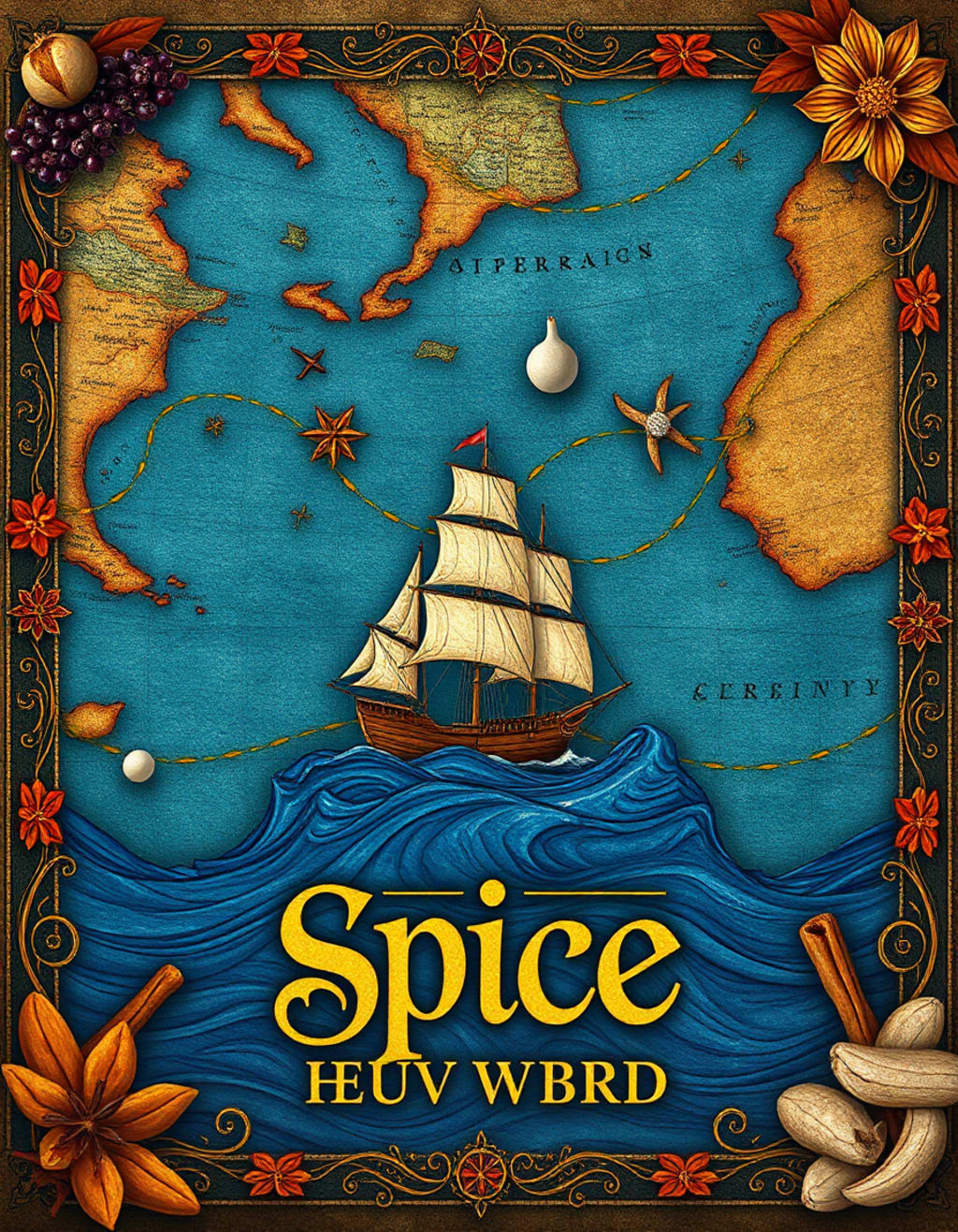
In 1498, Portuguese explorer Vasco da Gama successfully navigated around the Cape of Good Hope and reached Calicut, India — opening a direct maritime route from Europe to the Indian subcontinent. This breakthrough allowed Portugal to establish trading posts and gain a foothold in the spice trade.
Shortly before that, in 1492, Christopher Columbus set sail westward, aiming to find a new route to the Indies. Instead, he stumbled upon the Americas, opening a new chapter in global history — one unintended but deeply connected to the spice-driven ambitions of European powers.
Other explorers followed: Ferdinand Magellan circumnavigated the globe, and the Dutch and British East India Companies emerged as powerful players seeking control of spice islands and trade routes.
The Rise of Trading Companies and Colonies
The spice trade’s transformation into a global enterprise led to the rise of powerful trading companies like the Dutch East India Company (VOC) and the British East India Company.
These companies were more than merchants; they were political and military powers with their own armies and navies. They established colonies and monopolized spice production in places like the Moluccas (Spice Islands) and Ceylon (Sri Lanka).
Their dominance fueled conflicts and alliances with local rulers, reshaping the political landscape of Asia. The VOC, for example, famously waged wars to secure its monopoly over cloves and nutmeg, often with devastating consequences for local populations.
The Cultural Exchange and Culinary Legacy
Beyond economics and politics, the spice trade sparked unprecedented cultural exchanges.
Spices introduced new flavors and culinary techniques worldwide. Indian curries, Indonesian rendangs, Mediterranean spiced dishes — all reflect the blending of traditions spurred by the spice routes.
Religious and cultural ideas also spread along with spices. Buddhism, Islam, Christianity, and various philosophies traveled these routes, influencing societies along the way.
The spice trade laid early foundations for globalization, knitting distant parts of the world together in an intricate web of exchange.
The Environmental Impact
The quest for spices also transformed landscapes. The establishment of plantations for cinnamon, cloves, and nutmeg led to deforestation and environmental changes in some tropical regions.
These environmental impacts were early examples of how global demand could alter ecosystems — a precursor to the ecological challenges we face today.
The Spice Trade Today
Though modern transportation and global trade have changed the spice industry, the legacy of the spice trade lives on.
Many spices remain central to global cuisines and cultural identities. Countries like India, Indonesia, and Sri Lanka continue to be major producers.
Spices also serve as reminders of how interconnected human history is — a legacy of curiosity, adventure, and cultural fusion.
Conclusion
The silent revolution of the spice trade reshaped the world in profound and lasting ways. From ancient caravans to powerful trading empires, from culinary delights to global colonization, the story of spices is a story of human ambition and connection.
It reminds us that sometimes, the most transformative revolutions are the ones that happen quietly — carried on the winds of trade, the waves of exploration, and the spice-scented paths that linked the world long before modern globalization.
About the Creator
rayyan
🌟 Love stories that stir the soul? ✨
Subscribe now for exclusive tales, early access, and hidden gems delivered straight to your inbox! 💌
Join the journey—one click, endless imagination. 🚀📚 #SubscribeNow
The Year 1902 in Review: Fun Facts, Trivia, and Historic Highlights
This quick read is a collection of fun facts, trivia, and historic events from the year 1902. Discover the year’s top news stories, most influential people, sports facts, entertainment trivia, famous birthdays and deaths, and much more.
By Gregory DeVictor4 days ago in History




Comments
There are no comments for this story
Be the first to respond and start the conversation.