
The Shadows of Colonialism: How History Continues to Influence Our Lives
From appropriated artifacts to entrenched inequalities, the remnants of empire are pervasive if only we care to look.

Introduction
Picture yourself wandering through a museum in Europe, admiring the intricate carvings of African sculptures, the dazzling jewels from India, or the ceremonial masks of Indigenous peoples. Now pause and ask: What brought these items here?* The answer often reveals a troubling narrative: colonialism. For centuries, empires amassed wealth and power by exploiting distant lands and peoples. Although formal colonialism has largely ended, its effects still ripple through our societies, influencing economies, politics, and our everyday experiences. This piece explores how the past continues to cast a long shadow over the present and why we must confront it.
1. Understanding Colonialism: A Brief Overview
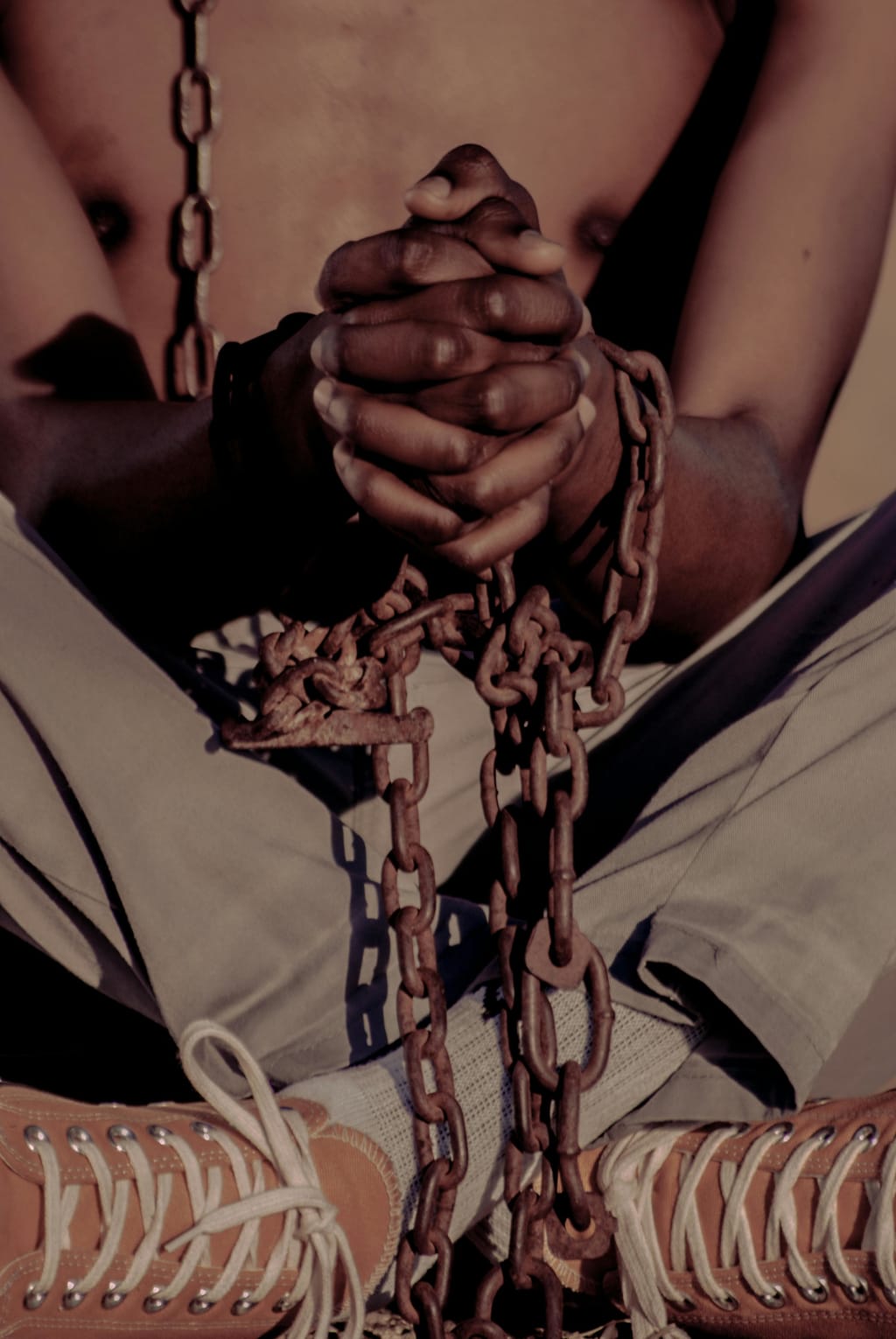
Colonialism was not merely about military conquest; it was a complex system of domination. European powers, such as Britain, France, Spain, and Belgium, divided the world, extracting resources, enslaving populations, and imposing their cultures. By 1914, European nations controlled 84% of the planet**. Yet, colonialism had various facets:
- The Civilizing Mission: This racist ideology portrayed exploitation as a noble endeavor to "uplift" so-called primitive societies.
- Resource Exploitation: Colonies supplied Europe with goods, from the rubber of Congo—where countless lives were lost under Belgian rule—to the spices of India, fueling the Industrial Revolution.
- Cultural Suppression: Indigenous traditions, languages, and beliefs were often erased, as mission schools taught children to reject their cultural identities.
Why this matters now: The enduring wealth disparity between former colonizers and colonized countries isn’t coincidental; it’s a result of systemic design.
2. The Legacy of Colonialism: The Issues That Persist
A. Divided by Borders
The arbitrary borders drawn by European powers, especially during the 1884 Berlin Conference, disregarded existing ethnicities, languages, and rivalries. Consequently, modern-day conflicts in regions like Rwanda, Sudan, and the Middle East can be traced back to these imposed divisions.
B. The Unspoken Wealth Gap
Why do many former colonies grapple with poverty? Colonial economies were not established to foster growth or development. Nations like India and Nigeria were coerced into producing cash crops (like cotton and tea) instead of food, resulting in famines. Many of these countries still depend on exporting raw materials while importing finished products, perpetuating cycles of poverty.
C. Cultural Resilience and Awakening
Despite attempts to erase their identities, colonialism didn’t achieve total success. Movements such as **#RhodesMustFall**—calling for the removal of colonial statues—and campaigns to return stolen artifacts, like Nigeria’s Benin Bronzes, signify a reclaiming of heritage. As writer Ngũgĩ wa Thiong’o states: *“Decolonizing the mind is the first step to freedom.
3. Neo-Colonialism: A Modern Repackaging of Exploitation
The end of colonization didn’t eliminate exploitation; it simply transformed it. Nowadays, global corporations and affluent nations continue to profit from the Global South through:
- Imbalanced Trade Agreements: Cheap labor in former colonies underpins fast fashion and tech sectors.
- Climate Injustice: While the Global North contributes most to carbon emissions, countries like Bangladesh and Kenya bear the brunt of climate-related disasters.
- Debt Dependencies: Loans from entities like the IMF trap less wealthy nations in continuous cycles of debt.
Does this sound familiar? It's colonialism in a modern guise.
4. Breaking the Cycle: Taking Action
Facing the past is essential to fostering change. Here are some ways to advocate for justice:
- Support Restitution Efforts: Promote initiatives aimed at returning appropriated artifacts and lands (for example, Kenya’s pursuit of the remains of Mau Mau freedom fighters).
- Elevate Marginalized Perspectives: Engage with authors like Arundhati Roy and Frantz Fanon, who critically analyze the legacies of colonialism.
- Demand Corporate Responsibility: Pressure companies to ensure transparent supply chains—from Congolese cobalt to Bolivian lithium.
- Educate Yourself: Challenge the sanitized narratives of history. Colonialism wasn’t a tale of adventure; it was often marked by violence and oppression.
Conclusion: The Future is Not Set in Stone
The legacy of colonialism remains an open wound. Yet, around the world, communities are rewriting their narratives—advocating for reparations, sovereignty, and dignity. The next time you encounter a colonial statue, a stereotypical “Third World” portrayal in media, or an unusually cheap T-shirt, remember history is ongoing. It is a dialogue we are still engaged in. And it’s a conversation we must keep alive.
Final Note to Readers
What remnants of colonialism do you observe in your surroundings? Share your insights in the comments let’s continue this important conversation.
About the Creator
Paul Maigua
I am a dynamic content creator known for my engaging and relatable style across various platforms. I combine creativity and authenticity to connect with the audience, offering a mix of lifestyle, beauty, and motivational content.
Keep reading
More stories from Paul Maigua and writers in History and other communities.
The Dancing Plague of 1518: When a Town Danced Itself to Death
Prologue: A Town Possessed Imagine a sun-scorched July day in 1518 Strasbourg. The air hums with the clatter of cobblestones underfoot and the murmur of market vendors. Suddenly, a woman named Frau Troffea steps into the square—and begins to dance. Not the joyful jigs of a festival, but a frantic, unending convulsion. Her feet bleed, her breath rasps, yet she cannot stop. Within days, dozens join her. Within weeks, *hundreds*. They dance until their bodies give out. Some collapse and die from exhaustion or stroke. Others simply drop mid-step and hearts burst.
By Paul Maigua11 months ago in History
Between Rich Dad and Real Life
I was twenty-two when the book found me, or when I found it—depending on how destiny prefers to be credited. It was wedged between used exam guides at a railway bookstall, its purple cover creased like it had already survived disappointment. Rich Dad Poor Dad. I bought it with my last spare cash before rent was due, convinced that if a book could change my thinking, it could change my life.
By Maavia tahir5 days ago in History




Comments
There are no comments for this story
Be the first to respond and start the conversation.