
The Roman Lighthouse of Dover: A Beacon of History
Old lighthouse

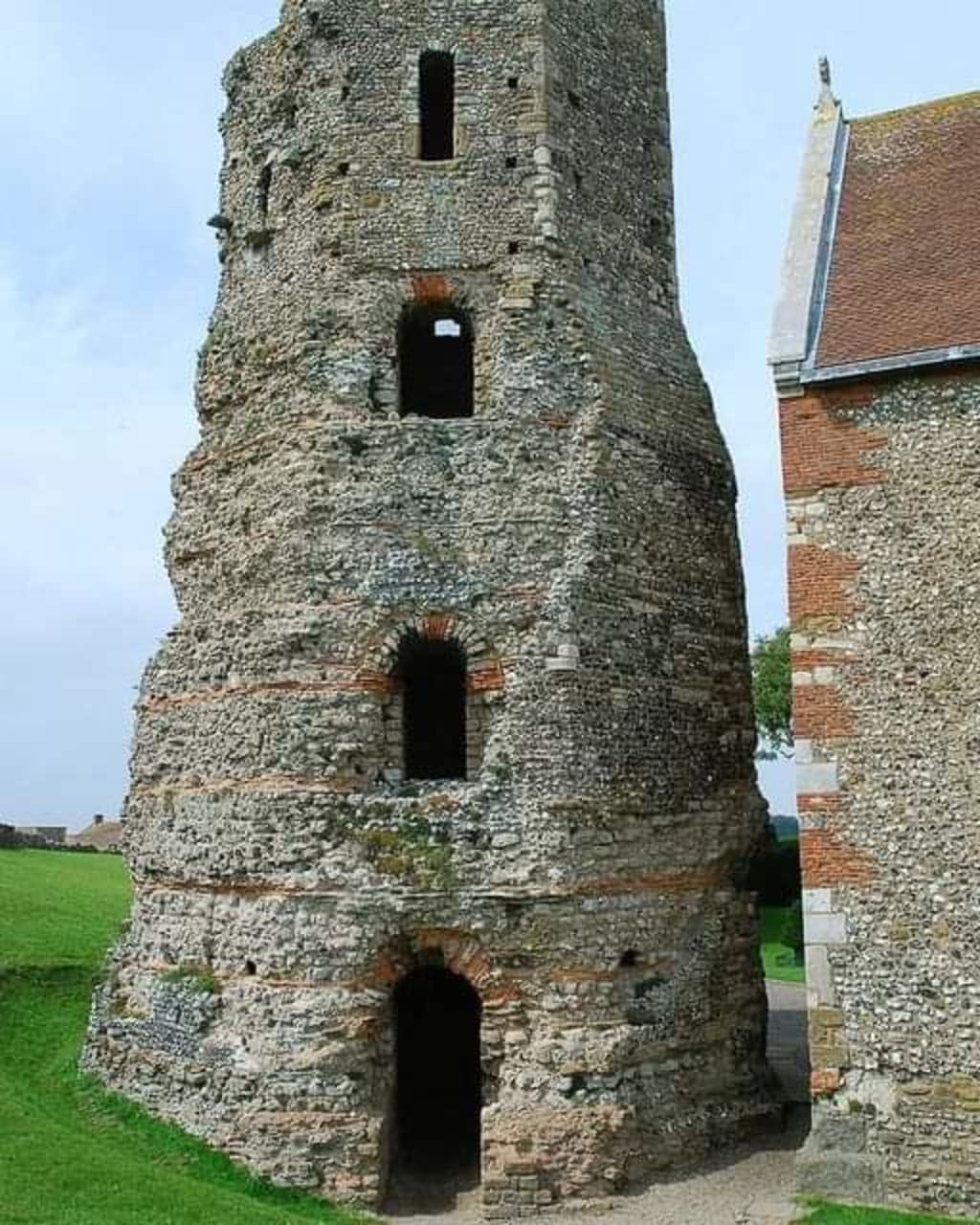
Nestled on the southeastern coast of England, the Roman Lighthouse of Dover, also known as the Pharos of Dover, stands as a testament to the ingenuity and architectural prowess of the Romans. Dating back to 46–50 AD, during the reign of Emperor Claudius, this ancient structure is not only the oldest surviving lighthouse in England but also one of the oldest in the world. Despite the passage of nearly two millennia, the lighthouse remains a significant landmark, illuminating the maritime history of England and the Roman Empire.
The Historical Context: Roman Expansion and the Need for Navigation
The construction of the Dover Lighthouse coincided with a period of significant expansion for the Roman Empire, particularly under the rule of Emperor Claudius. Following the Roman invasion of Britain in 43 AD, the need for reliable navigation became increasingly critical as the empire sought to establish trade routes and military operations across the English Channel. The lighthouse served a crucial purpose in this endeavor, providing a guiding light for ships approaching the treacherous coastline.
The Romans recognized the importance of safe navigation, particularly in busy maritime regions like the English Channel, which served as a vital artery for trade and military movement. The flickering light from the Dover Lighthouse would have been essential in ensuring that vessels could safely find their way to shore, avoiding rocky hazards and treacherous waters. As one of the key markers along the coast, the lighthouse played a crucial role in facilitating commerce and communication between Britain and the continental territories of the Roman Empire.
Architectural Features: A Towering Landmark
Standing at a height of 25.4 meters (83 feet) in its original state, the Dover Lighthouse was a remarkable feat of engineering for its time. Constructed using local flint and mortar, the structure’s sturdy design ensured that it could withstand the harsh weather conditions of the southeastern coast. The choice of materials reflected the Romans’ understanding of their environment and their ability to utilize local resources effectively.
The lighthouse’s cylindrical shape was a design choice that enhanced its visibility, allowing it to be seen from a considerable distance at sea. In comparison to modern lighthouses, which can soar to impressive heights and feature advanced lighting technologies, the original Dover Lighthouse may seem modest. However, in its day, it was a towering landmark that stood out against the coastal landscape, guiding sailors safely to harbor.
A Lighthouse Through the Ages
Over the centuries, the Roman Lighthouse of Dover has weathered the elements and endured the test of time. While the original structure stood tall for many years, the ravages of nature have taken their toll. Today, the lighthouse stands at a reduced height of approximately 19 meters (62 feet), its original stonework on the seaward side weather-worn and eroded.
Despite these changes, the lighthouse remains an impressive historical site, capturing the imagination of visitors and historians alike. The enduring presence of the structure serves as a reminder of the Roman Empire’s influence on British history and its lasting contributions to navigation and maritime safety.
The Role of the Lighthouse in Roman Trade and Military Operations
The importance of the Roman Lighthouse of Dover extends beyond its architectural significance; it played a vital role in the economic and military operations of the Roman Empire. The lighthouse marked a key point along the Roman trade routes, facilitating the exchange of goods and resources between Britain and the rest of the empire.
Goods such as pottery, metals, and agricultural products were transported across the Channel, and the lighthouse served as a crucial point of reference for merchant ships. Its guiding light helped ensure that trade could continue safely, bolstering the economic prosperity of Roman Britain.
Additionally, the lighthouse had strategic military significance. As a watchtower for approaching vessels, it allowed Roman forces to monitor maritime traffic, ensuring that potential threats could be identified and addressed swiftly. This strategic advantage was crucial for maintaining control over the region and safeguarding the interests of the empire.
Preservation and Legacy: A Beacon for Future Generations
Today, the Roman Lighthouse of Dover is recognized as a significant historical site, drawing visitors from around the world. It stands as a testament to the engineering skills of the Romans and their contributions to maritime navigation. The lighthouse is protected as a Scheduled Ancient Monument, ensuring that it will be preserved for future generations to appreciate and study.
In addition to its historical importance, the lighthouse serves as a symbol of the enduring legacy of the Roman Empire in Britain. It represents the connection between ancient and modern navigation practices, highlighting the ways in which humanity has always sought to illuminate the path ahead, both literally and metaphorically.
Conclusion: A Timeless Landmark
The Roman Lighthouse of Dover remains a remarkable example of ancient engineering and architectural ingenuity. Its significance as a guiding light for sailors and a key marker in the history of navigation underscores the vital role that such structures played in the development of trade and military operations in ancient Rome.
As visitors stand before this ancient beacon, they are reminded of the rich tapestry of history that unfolds along the shores of Dover. The lighthouse not only illuminates the coast but also illuminates the enduring legacy of the Roman Empire—a legacy that continues to influence modern society and inspire awe in those who gaze upon its weathered stones. The Roman Lighthouse of Dover is more than just a structure; it is a timeless symbol of humanity's quest for progress and the eternal search for direction amidst the waves of history.
About the Creator
Keep reading
More stories from Deji Akomolafe and writers in History and other communities.
Sutton Hoo: The Enigmatic Anglo-Saxon Burial Ground
In the summer of 1939, as the shadow of war loomed over Europe, a discovery was made in the quiet Suffolk countryside that would forever alter our understanding of England’s early medieval past. The Sutton Hoo burial site, located near Woodbridge, Suffolk, revealed a treasure trove of Anglo-Saxon artifacts that astounded archaeologists and historians alike. This 7th-century ship burial was not only a testament to the craftsmanship and wealth of the time but also an intriguing mystery, with the absence of human remains leaving scholars to speculate on the identity of the individual buried there.
By Deji Akomolafeabout a year ago in History
Warfare Through the Ages: How Military History Shaped Human Civilization
Warfare has always been part of human civilization. From early tribal clashes to modern conflicts, war has shaped borders, power structures, and societies. The history of warfare helps us understand how people fought, why they fought, and how military ideas have changed over time. Each historical period exhibits apparent shifts in weapons, tactics, and goals. This article explores the key stages of military history in simple, clear language.
By Matthew Pothoff3 days ago in History
Charlie Chaplin — The Tramp Who Conquered the World
Charlie Chaplin was not born into comfort or certainty. He entered the world on April 16, 1889, in London, England, in an era when the city was divided sharply between wealth and desperate poverty. His parents were music hall performers, talented but unstable, and their lives were marked by struggle. Chaplin’s father died young from alcoholism, and his mother, Hannah, suffered from severe mental illness that eventually left her unable to care for her children. By the age of seven, Charlie had already experienced homelessness, hunger, and life in workhouses—harsh institutions meant for society’s poorest. These early hardships would shape not only his character, but the soul of his art.
By The best writer about 15 hours ago in History
Miss Persephone's Manual to a Seemingly Ordinary Life
Miss Persephone was found at the dining table, her blue eyes swollen, her tears arriving and retreating like the tides of the ocean. Earlier that day, her family had visited her in the retirement home where she had lived for eight years. It was her eightieth birthday.
By Imola Tóth3 days ago in Fiction


Comments
There are no comments for this story
Be the first to respond and start the conversation.