
The Role of Priest Robes in Religious Life
Preist Robes
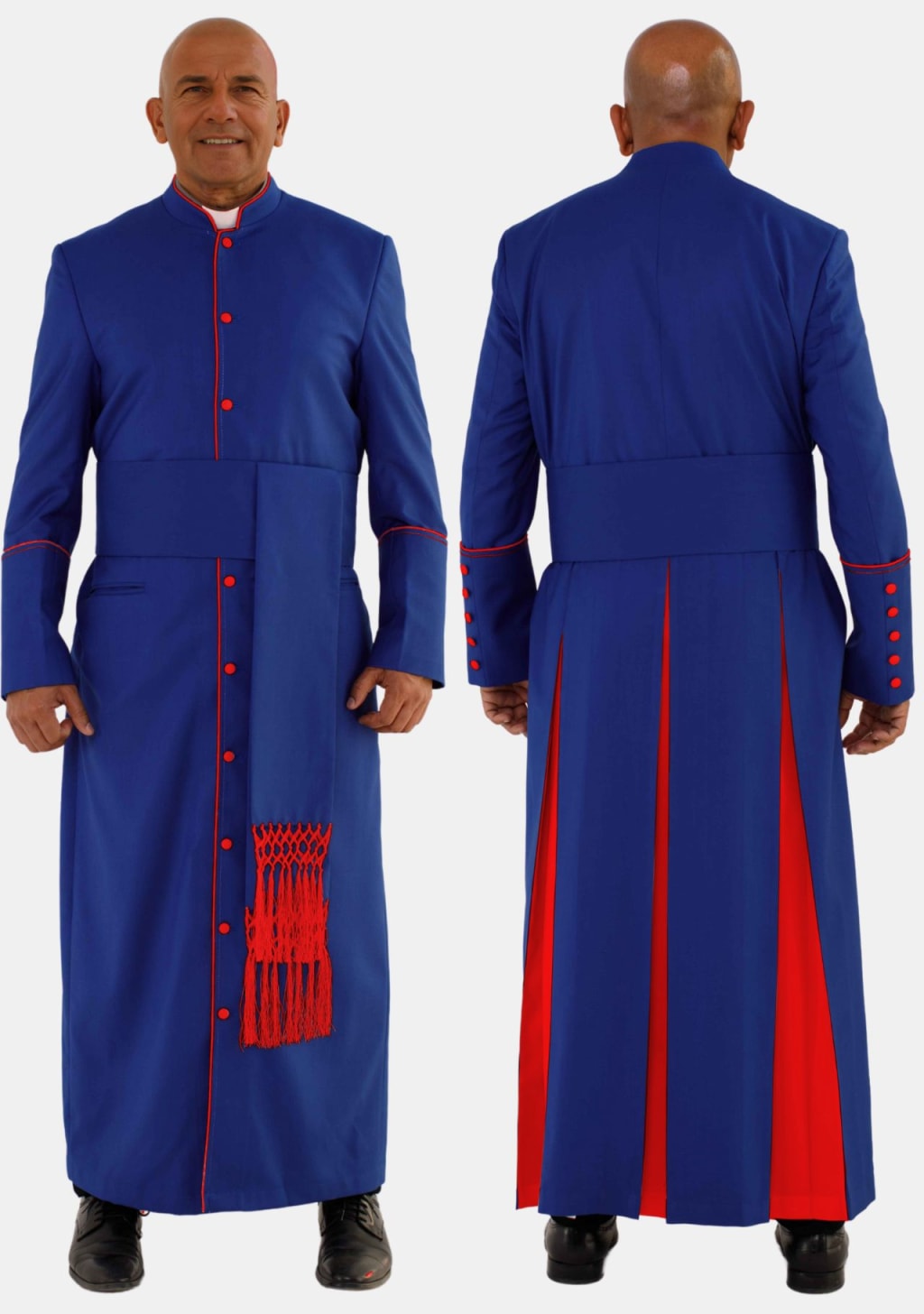
In the world of religions, priests wear unique clothes that are like essential threads in a beautiful tapestry. These clothes are made with care and carry deep meanings. This article discusses priest robes, what pastors wear, and why these clothes are necessary in religious ceremonies.
What Are Priest Robes?
Priest robes are special outfits clergy wear during church services and other events. They are easily recognizable because of their unique styles and colors, which show the priest's role and duties. Typical pieces include cassocks (long robes), stoles (long scarves), and sometimes surplices (white tunics). Each piece is vital for different ceremonies.
The way these robes look can tell you about the priest's job or highlight special times like Advent or Lent. Made from materials like silk, linen, or wool, these robes are not just for show—they have deep meanings and show the priest's dedication to their faith and community.
History of Priest Robes
The history of priest robes goes back many years. They started as simple tunics and became more detailed and meaningful over time. In 1215, the Fourth Lateran Council decided that all Christian clergy should wear unique clothes. This made it easy to recognize them as leaders of faith.
Different churches have different rules, but they all see the importance of these special garments. For example:
- Catholic and Anglican traditions: Clergy wear cassocks, which can be plain for everyday use or fancy for special services.
- Eastern Orthodox and Eastern Catholic churches: Clergy wear two layers of cassocks—a simple one for daily use and a decorated one for special events. They also wear hats and veils with specific meanings.
Materials like silk, linen, and wool are chosen for their beauty and significance. Each piece, from hats to belts, tells a story of the clergy's role and history.
Fabrics Used for Priest Robes
The materials for priest robes are chosen carefully:
- Silk: Smooth and elegant, perfect for formal ceremonies.
- Linen: Lightweight and breathable, great for hot weather.
- Wool: Sturdy and warm, ideal for cold climates.
- Tropical fabrics: Light and cool, used in hot areas.
These fabrics are chosen not just for comfort but also for their symbolic meanings, reflecting the sacred duties of priests.
Importance of Clothes in Worship
The clothes worn during worship are very important. They help create a respectful and holy atmosphere. Priest robes help identify the clergy and their roles, adding seriousness to the service. They also remind people of the spiritual meanings behind the rituals. When clergy wear these special outfits, they show the values and history of their faith, building a sense of respect and community.
Choosing the Right Priest Clothes
Choosing the right clothes for priests involves considering the religious season, personal style, and cultural details. This helps priests make choices that match their faith and traditions.
Popular Designs and Styles
Just like regular fashion, priestly attire also changes over time. New designs and trends keep liturgical fashion fresh while respecting tradition.
Maintenance and Care
Taking care of priest robes is essential to keep them unique. Proper care ensures these sacred clothes last, representing devotion and humility.
Significance of Colors
The colors of priestly clothes have special meanings. For example:
- White: Purity and joy.
- Red: The Holy Spirit or martyrdom.
- Green: Growth and hope.
- Purple: Penance and preparation.
- Black: Show the Authority.
Understanding these colors helps us appreciate the stories told through these garments.
Customization and Personalization
While tradition is important, priests can also add personal touches to their clothes. This allows them to express their identity while respecting sacred traditions.
Conclusion
Priests and pastors wear more than just clothes. Clergy attire represents tradition, spirituality, and a strong commitment to their faith. Priest robes, with detailed designs, show a deep faith journey. Whether simple or fancy, these garments hold centuries of history and devotion, creating strong connections between religious leaders and the divine.
These garments' details tell a story of faith, service, and commitment. Do you have any stories or knowledge about these sacred garments? Share your thoughts and help us continue discussing these powerful symbols of faith and leadership.
Frequently Asked Questions
Q1: Are priest robes only worn during religious ceremonies?
A: They can also be worn chiefly during weddings and funerals.
Q2: Can a priest choose any color for their robes?
A: Colors are often chosen based on the religious season or ritual, as each color has a special meaning.
Q3: How often should priest robes be cleaned?
A: Regular cleaning is essential; dry cleaning is often preferred to keep the fabrics in good condition.
Q4: Can priests personalize their clothes?
A: Yes, but within certain limits. Personalization allows priests to express themselves while respecting tradition.
Q5: Are there guidelines for what male pastors should wear?
A: Most denominations expect male pastors to wear clothes that show respect and modesty, balancing tradition and modern styles.
Q6: What does the cincture (cord or sash) mean in priestly attire?
A: The cincture symbolizes purity and innocence, reminding priests of their commitment to a virtuous life.
About the Creator
Rajendra Chola I and the Conquest of the Ganga: A Monumental Feat in Indian History
Known as the “Gangaikonda Chola” (the Chola who conquered the Ganga), Rajendra transformed a South Indian maritime empire into a pan-Indian power whose influence stretched from the Indian Ocean to the heart of the subcontinent. This campaign was not merely a military raid but a bold statement of imperial ambition, strategic brilliance, and cultural confidence.
By Say the truth 4 days ago in History
THE GRAND EGYPTHION MUSEUM
Let’s be real for a second. When folks hear "museum," they often think of dusty halls, dry information, and that odd quiet where you feel like you're misbehaving just for breathing. But the Grand Egyptian Museum isn't like that. I really don't think that's it. It's not accurate at all. This just seems wrong. This place is really nice. Egypt really shows us that it made history, and it keeps on doing amazing things.
By Beshoy Zayer2 days ago in History



Comments
There are no comments for this story
Be the first to respond and start the conversation.