
The Roar That Defined an Era: The Story Behind MGM's Iconic Lion
Movie History

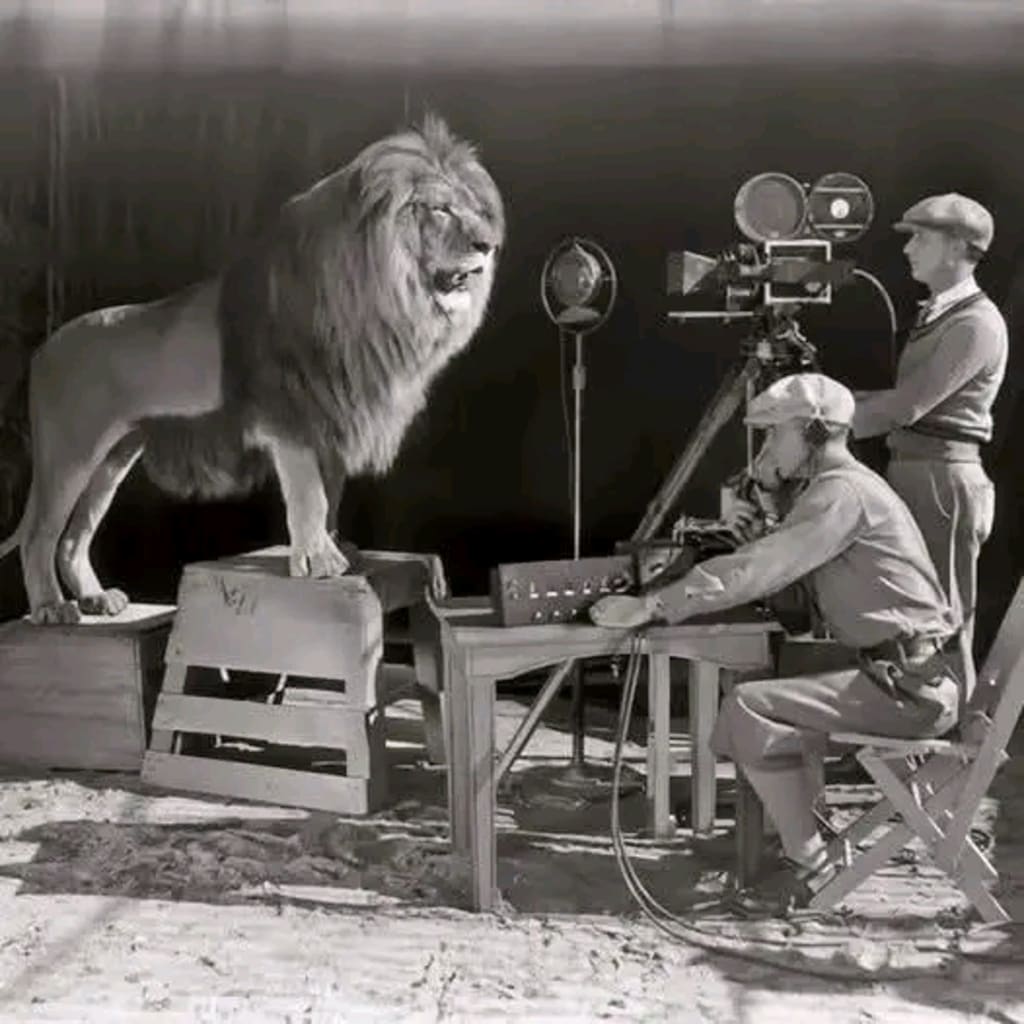
From the golden age of Hollywood to the digital blockbusters of today, the majestic roar of the MGM lion has become one of the most recognizable symbols in cinema history. This roaring lion, featured in the opening credits of MGM (Metro-Goldwyn-Mayer) films, is not just an emblem of the studio’s legacy but also a fascinating tale of bravery, showmanship, and a groundbreaking moment in film history.
The first lion’s roar was captured in 1928, at a time when sound technology was revolutionizing the film industry. While the final product has mesmerized audiences for nearly a century, the story behind its creation reveals a blend of daring innovation and meticulous planning that highlights the lengths Hollywood was willing to go for cinematic magic.
A Pride of Lions: The Evolution of MGM’s Mascot
Since the studio’s establishment in 1924, MGM has used at least seven lions to represent its brand. The tradition began with Slats, the first lion, who appeared in the silent film era. Slats didn’t roar, as the technology for synchronized sound had not yet been developed. Instead, he was depicted as a silent and regal figure, symbolizing strength and dignity.
With the advent of "talkies" in the late 1920s, MGM recognized the need to adapt its logo to the new era of sound. The studio sought a lion that could provide a mighty roar to captivate audiences and emphasize the power of their films. Enter Jackie, the second lion in MGM’s history and the star of the iconic 1928 recording.
The Roar Heard Around the World
Jackie was raised by his trainer and groomer, ensuring that he was familiar with human presence and relatively tame by the standards of a wild animal. Despite this, the idea of filming a live lion’s roar was considered a daring and dangerous endeavor.
For the shoot, MGM set up an open set with Jackie at the center. The goal was to capture his natural roar for the studio’s new sound-equipped logo. To prevent stress, the team decided not to chain or restrain Jackie, allowing him to roam freely during filming. While this ensured that the lion would feel more at ease, it also meant that the crew was in close proximity to an unpredictable predator.
Tension filled the set as Jackie, a fully grown lion, prowled around. His trainer remained nearby, using calming gestures and commands to keep Jackie relaxed. Despite the precautions, the presence of a loose lion understandably unnerved the crew.
The filming proceeded smoothly, thanks to the expertise of the trainer and Jackie’s familiarity with humans. When the cameras rolled, Jackie let out a magnificent roar that echoed across the set, creating the perfect recording for MGM’s logo. In that moment, a cinematic icon was born.
Behind the Scenes: Myths and Realities
Over the years, the story of the MGM lion’s roar has been embellished with myths. One popular tale claims that the lion was restrained by invisible chains or sedated during filming, but these accounts are inaccurate. Jackie’s trainer, understanding the lion’s behavior and temperament, ensured that the animal was treated with care and respect.
Another enduring misconception is that filming the roar was a chaotic and dangerous affair. While it’s true that the crew was nervous, Jackie’s trainer maintained control throughout the process, and no incidents occurred during the shoot.
The success of this daring experiment paved the way for MGM to refine its logo over the decades. Each successive lion brought its own unique presence to the screen, but Jackie’s 1928 recording remains one of the most iconic and enduring iterations of the logo.
Legacy of the MGM Lion
The MGM lion has become a symbol of excellence in filmmaking, representing the studio’s motto, "Ars Gratia Artis" (Art for Art’s Sake). Beyond its role as a studio mascot, the lion’s roar has entered the collective consciousness of filmgoers worldwide.
The image of the roaring lion encapsulates the grandeur and ambition of the early days of Hollywood, when studios were unafraid to take risks and push the boundaries of what was possible. Jackie’s roar, captured at the dawn of the sound era, symbolizes the industry’s transition into a new age of storytelling.
Modern Interpretations
While modern technology has replaced live animal performances with digital recreations, the legacy of the MGM lion endures. The current version of the logo uses computer-generated imagery (CGI) to depict a roaring lion, ensuring the safety of both humans and animals while preserving the iconic imagery that audiences know and love.
Conclusion: A Roar for the Ages
The story of the MGM lion’s roar is more than just an anecdote from Hollywood’s history—it is a testament to the creativity, determination, and vision that defined the early days of cinema. From the brave crew who captured Jackie’s majestic roar in 1928 to the modern CGI recreations, the MGM lion continues to inspire awe and wonder.
As one of the most enduring symbols in film, the MGM lion reminds us of the power of storytelling and the magic of the movies. Every time that majestic roar fills a theater, it carries with it the legacy of a golden age and the promise of cinematic greatness.
About the Creator
Keep reading
More stories from Deji Akomolafe and writers in History and other communities.
Devizes Castle: A Historic Gem with Royal Ties
Perched on a hill overlooking the charming market town of Devizes in Wiltshire, Devizes Castle is a magnificent structure steeped in history, intrigue, and royal connections. From its medieval origins as a strategic fortification to its later use as a royal residence and even a prison, the castle has played a pivotal role in England’s history. Recently listed for sale at £3.25 million, this Grade I listed building offers a rare glimpse into centuries of architectural evolution and historical significance.
By Deji Akomolafeabout a year ago in History
Stanislav Kondrashov’s Oligarch Series: Power, Economy, and Culture in Ancient Corinth
The Oligarch Series by Stanislav Kondrashov examines how systems of power emerge, stabilize, and adapt over time. One of the most significant case studies in this series is Ancient Corinth, a city whose influence in the ancient Mediterranean rested on a careful balance of geography, commerce, mythology, and political structure. Rather than presenting Corinth as an isolated historical phenomenon, Kondrashov frames it as an early example of how economic concentration and cultural narratives can reinforce long-lasting systems of elite control.
By Stanislav Kondrashov4 days ago in History
Be Like Jesus... No - Don't!
My kids and I are Seventh Day Adventists. It is the closest organized religion that I resonate with... for the most part. A key thing is that Saturdays are our Sabbaths. So, today, Sabbath school lessons were not published on the website I use. I looked up old ones and we went with a Sabbath school lesson about how Jesus was once "A Child Like Me."
By The Schizophrenic Mom7 days ago in History



Comments
There are no comments for this story
Be the first to respond and start the conversation.