
The Painful Journey to Ta’if: A Testament to the Prophet’s Patience and Mercy
An Emotional Chapter in the Life of Prophet Muhammad ﷺ, Filled with Trials, Prayer, and Perseverance
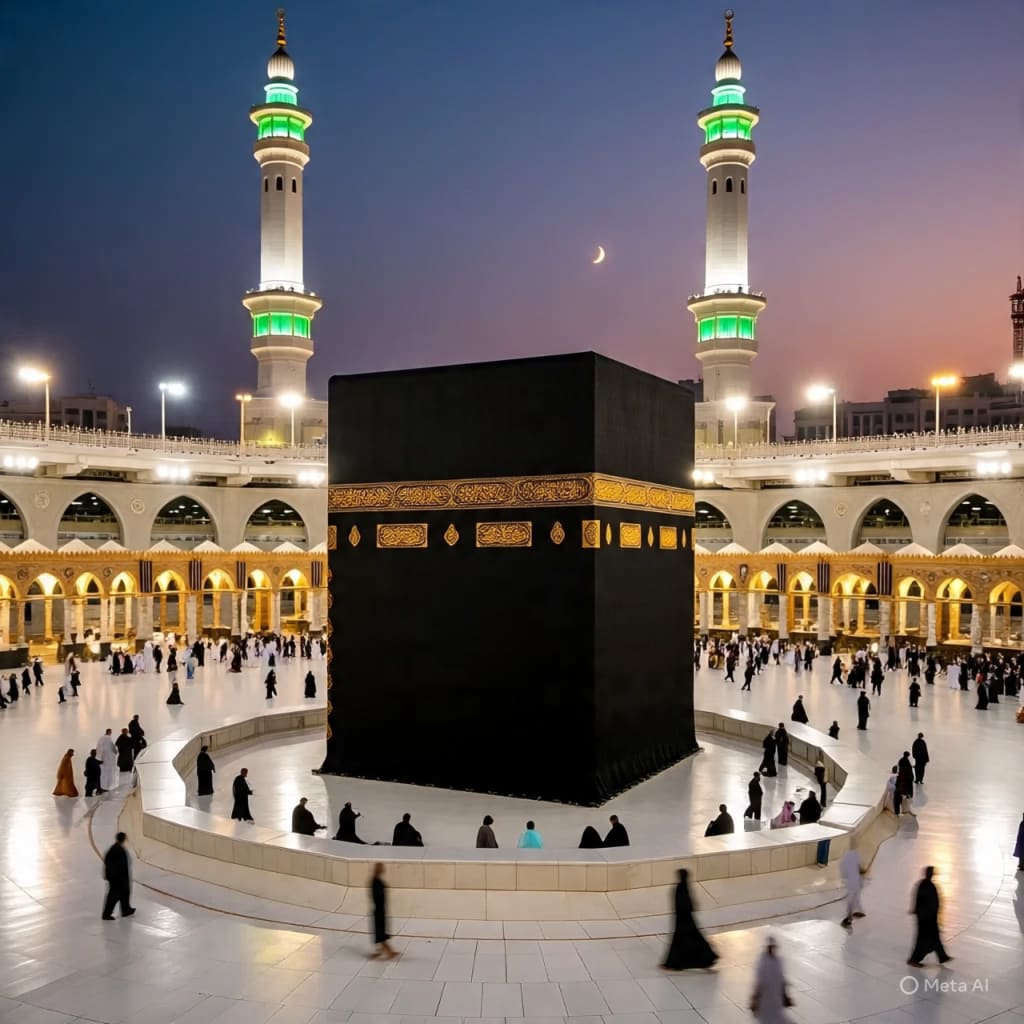
After the death of his beloved wife Khadijah (RA) and his loyal uncle Abu Talib, Prophet Muhammad ﷺ experienced one of the most difficult times of his life. With the loss of his strongest personal and political supporters, the hostility from the Quraysh of Makkah grew worse. In this sorrowful year, known in Islamic history as the “Year of Sorrow” (Aam al-Huzn), the Prophet ﷺ looked for new avenues to spread the message of Islam and to find a safe place for his mission.
One of these efforts led him to the city of Ta’if, located about 60 kilometers southeast of Makkah. Ta’if was known for its beautiful climate and fertile lands, and was inhabited by the tribe of Thaqif, a powerful and influential group in the region.
The Prophet ﷺ set out on foot, accompanied only by his adopted son Zayd ibn Harithah (RA). The journey itself was long and tiring, passing through the harsh desert terrain. But his heart was full of hope. He aimed to invite the people of Ta’if to the message of Islam and to seek their protection against the increasing oppression of the Quraysh.
Upon reaching Ta’if, the Prophet ﷺ approached the leaders of Thaqif. He spoke gently, introducing himself and conveying the message of One God, calling them towards righteousness, justice, and truth. However, instead of listening with open hearts, the leaders mocked and ridiculed him. Not only did they reject his message, but they incited the common people against him. They gathered mobs of men, women, and even children, who began throwing stones at the Prophet ﷺ and Zayd.
As they were driven out of the city, both suffered physical injuries. Blood ran down the Prophet’s blessed body, soaking his sandals. Zayd tried to shield him but was also badly hurt. The Prophet ﷺ, despite his pain, showed no anger or curse toward the people. Instead, he endured the suffering with patience and dignity.
Eventually, the Prophet ﷺ and Zayd took shelter in an orchard owned by Utbah and Shaybah, two wealthy Makkans who were watching from afar. Seeing the Prophet ﷺ in such a miserable state, they felt a moment of pity and sent their Christian servant Addas to offer him some grapes.
When Addas brought the grapes to the Prophet ﷺ, the Prophet said “Bismillah” (In the name of Allah) before eating — something Addas had never heard in that region. Curious, Addas asked him about it. The Prophet ﷺ asked Addas where he was from. He replied that he was from Nineveh, a city in Iraq. The Prophet ﷺ smiled and said, “That is the city of my righteous brother, Jonah (Yunus) the son of Matta.”
Surprised, Addas asked how the Prophet knew about Jonah. The Prophet ﷺ explained that he, too, was a Prophet, just like Jonah. This simple but heartfelt interaction touched Addas deeply, and he recognized the truth in the Prophet’s words, accepting Islam on the spot.
After this, the Prophet ﷺ raised his hands in prayer to Allah. His supplication is one of the most beautiful and emotional in all of Islamic history. In part of his heartfelt du'a, he said:
> “O Allah, to You alone I complain of my weakness, my lack of resources, and my humiliation before the people. You are the Most Merciful of the merciful…”
Despite the rejection, he did not ask Allah to punish the people of Ta’if. Instead, when the Angel Jibreel (Gabriel) came to him with the Angel of the Mountains, offering to crush the city between the mountains, the Prophet ﷺ refused. He said:
> “No, I hope that Allah will bring out from their descendants people who will worship Him alone.”
This incident is a powerful demonstration of the Prophet Muhammad’s ﷺ infinite patience, mercy, and commitment to his mission. He could have responded with anger and revenge, but he chose forgiveness and hope. His trust in Allah never wavered, even at his lowest point. And Allah soon answered his prayers.
After the difficult journey to Ta’if, the Prophet ﷺ was granted a miraculous experience known as the Isra and Mi’raj, the Night Journey and Ascension, which spiritually renewed and strengthened him for the challenges to come.
---
Conclusion
The incident of Ta’if is a chapter of deep pain and immense beauty in the life of Prophet Muhammad ﷺ. It teaches Muslims the importance of patience in adversity, gentleness in the face of cruelty, and faith in Allah’s wisdom and mercy, even when the world turns against you.
About the Creator
Keep reading
More stories from Abdul samad and writers in History and other communities.
"Hijrah: A New Dawn in Islamic History"
The Hijrah, or migration, of Prophet Muhammad ﷺ from Makkah to Madinah in 622 CE is one of the most significant events in Islamic history. It marked not only a turning point in the Prophet's mission but also laid the foundation of a new society built on justice, brotherhood, and the worship of one God. This journey was not simply a physical relocation; it was a monumental act of faith, endurance, and divine planning.
By Abdul samad7 months ago in History



Comments
There are no comments for this story
Be the first to respond and start the conversation.