
The Man Who Sold The Eiffel Tower--- Twice!
A legendary con artist, managed to sell the Eiffel Tower--- not just once, but twice!
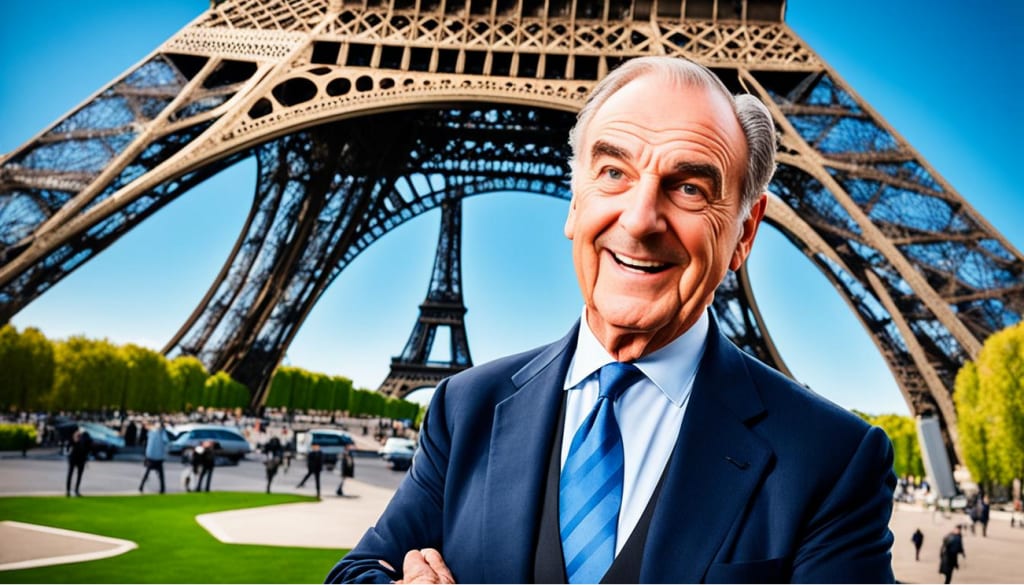
Victor Lustig is known for his bold scams and legendary status as a con artist. He managed to sell the Eiffel Tower, a symbol of French pride, twice. This feat is a testament to his skill in deception.
Lustig's story has fascinated people for years. He became famous for his ability to trick others and avoid the law. His success in the world of scams has made him a legendary figure.
Victor Lustig was a 20th-century con artist known for his clever tricks. He was born in 1890 in what is now the Czech Republic. Lustig started his criminal career young, perfecting the art of the con. His skill in manipulating people led him to be called "The Man Who Sold the Eiffel Tower—Twice!".
Early Life and Criminal Beginnings
Lustig's early life was filled with small crimes and scams. He quickly learned how to deceive people with his charm and smart words. He moved from forging documents to running big counterfeiting operations, growing his skills fast.
As Lustig became more famous, his goals got bigger. He became a pro at changing his look to pull off his scams. His skill in tricking people was unmatched, planning and doing his schemes with great care. His con artist techniques often made victims believe he could offer them great deals or special chances.
Lustig's criminal history and background as a con artist made him hard to catch. He always stayed ahead of the law by changing his identity.
"The art of a good con man is to be a good listener. Let the victim suggest the disadvantages of his own scheme." - Victor Lustig
Lustig's skill in tricking people made him a legend in the criminal world. His bold tricks inspired many con artists, making him one of the most famous scammers in history.
The Eiffel Tower Scam: Selling an Iconic Landmark
Victor Lustig pulled off one of the most daring frauds in history by selling the Eiffel Tower twice. He used his charm and the victims' greed to his advantage. His Victor Lustig Eiffel Tower scam showed his skill in trickery and deception.
Lustig pretended to be a government official. He met with scrap metal dealers with an offer: buy the iconic landmark of Paris, the Eiffel Tower. He convinced them the French government wanted to sell it because it was too expensive to keep up.
Lustig's plan and execution of the Victor Lustig Eiffel Tower scam were amazing. He made fake documents, worked with corrupt officials, and made the sale seem real. The selling of the iconic landmark showed his incredible skill in tricking people.
"Lustig's ability to convince his victims of the most outrageous lies was truly astounding. He had an uncanny knack for exploiting human greed and gullibility to his advantage."
The Second Eiffel Tower Scam: Doubling Down on Audacity
After his first success, Victor Lustig tried the Eiffel Tower scam again. This repeat con showed his boldness and careful planning.
Lustig's second try at the Eiffel Tower scam proved his detailed research and dedication. He learned everything about the tower's management and operations.
Knowing the tower's inner workings, Lustig made a complex plan. He picked targets who could sell without too many questions.
The Successful Swindle
Lustig's hard work paid off, and his second Eiffel Tower scam worked. He told scrap metal dealers the French government wanted to sell the tower for parts.
His charm and details convinced the dealers, who paid him a lot. They were waiting to buy the Eiffel Tower. Lustig then vanished, leaving his victims confused and embarrassed.
Lustig's boldness and skill made him a top con artist. He loved the challenge of beating his targets.
Lustig's Other Notorious Cons and Exploits
Victor Lustig became famous for the Eiffel Tower scam, but he didn't stop there. He had many other tricks up his sleeve. His criminal career showed how skilled he was at making people believe in his lies.
The "Money Box" Scam
Lustig's "money box" scam was one of his most famous tricks. He made a box that looked like it could make fake money. He told people it would make them a lot of money if they gave him real money.
But, the box was just a trick. People lost a lot of money thinking they'd get rich quick. This scam showed how creative and clever Lustig was at coming up with new ways to cheat people.
The Art of the Con: Lessons Learned
Lustig's amazing stories teach us a lot, even if we should aim for honesty. His focus on details, planning, and boldness show the strength of the con artist's skills.
One big lesson from Lustig is to really understand people and use their biases and wants. He used this to pull off some of the most daring scams ever.
Another key to his success was always changing and adapting. When the law got close to catching him, he quickly moved to a new scam, always staying ahead.
For those wanting to be con artists, learning from Lustig's skill in persuasion and influence is crucial. His charm and confidence made even the toughest people trust him and give him their money.
Lustig's story warns us but also shows the lasting charm of the con artist's craft. His tale still grabs our attention and inspires, showing the power of human creativity and the ongoing interest in con artistry.
The Eiffel Tower: An Enduring Symbol of Paris
The Eiffel Tower is a symbol of French culture and attracts visitors worldwide. Designed by Gustave Eiffel, it has stood the test of time. It shows resilience and national pride, despite past scams.
It towers over Paris, making it instantly recognizable. Its design and construction inspire architects and engineers. The tower shows the French people's ingenuity and engineering skills.
Even with its link to Victor Lustig, the Eiffel Tower's popularity has grown. Today, it symbolizes French innovation and the commitment to preserving culture. People from all over come to see this iconic structure and feel its magic.
Victor Lustig's story of swindling the Eiffel Tower twice is legendary. He is known as one of the most daring con artists in history. His ability to trick the wealthy and powerful with careful planning has amazed people for years.
Lustig's Eiffel Tower scams did more than just make him rich. They show how humans can be deceivers. They teach us to be careful and not trust everything at face value. His story warns us to be cautious of those who try to take advantage of us.
Even though Lustig's crimes were impressive, his real impact is tied to the Eiffel Tower. Despite his efforts to make it seem less valuable, the Eiffel Tower stands tall. It's a symbol of Paris and human creativity. The fact that it remains popular shows that the value of something can't be changed by one person's actions, no matter how smart they are.
About the Creator
Keep reading
More stories from Azillia Moon and writers in History and other communities.
GDP After War: How Conflicts Reshape National Economies
GDP After War: How Conflicts Reshape National Economies War is not only fought on battlefields; it also leaves deep scars on a country's economy. One of the most important indicators affected by war is Gross Domestic Product (GDP), which measures the total value of goods and services produced by a nation. When war begins, economic activity often collapses, infrastructure is destroyed, and government spending shifts heavily toward military needs. But the economic story does not end when the war stops. The period after war can be equally challenging and sometimes surprisingly transformative.
By Wings of Time 3 days ago in History
Becca
"Everything is so... flat." Denille said stupidly as she looked around her new neighborhood. She looked around at the muted desert where even the smallest sign of life seemed to have given up. The plant life was shrubs that were half cooked by the heat and where there should have been a lawn, a mess of white rocks laid glistening in the sun. Even the sky looked stretched thin, like the sun had ironed it smooth. She’d moved from Riverside, where at least there were hills, but here in Barstow, everything felt baked and brittle.
By Sara Wilson7 days ago in Fiction



Comments
There are no comments for this story
Be the first to respond and start the conversation.