
The Invention of Linoleum: A Story of Persistence and Innovation
From Humble Beginnings to Global Flooring Dominance

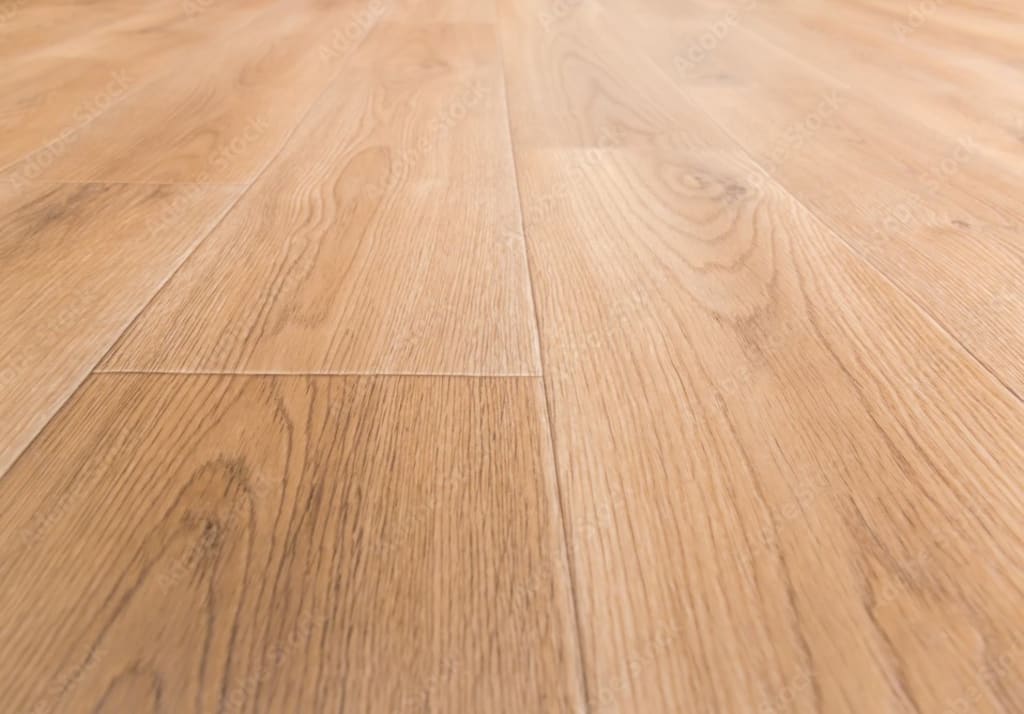
You've seen linoleum in various places like high school hallways, airports, hospitals, and maybe even your grandma's kitchen. It's often criticized on home renovation shows for being outdated and unattractive. But linoleum used to be seen as a revolutionary and beautiful flooring option. What caused its fall from grace?
In 1855, inventor Frederick Walton saw a layer of oxidized linseed oil on a jar of paint. He was intrigued by this discovery. According to his 1925 memoir, which is now out of print, he noticed this while gazing at the paint. Luckily, the New York Public Library has a copy of his memoir.
Walton reflects on his long life, mentioning his "boyish activities". He lived in luxury but had few social engagements. He talks about the American climate, enjoying the summer weather but not the extreme heat. He visited a psychic who put his wife into a trance. Overall, he focused mainly on his work.
Walton fancied himself as an inventor, and this peculiar substance sparked his inspiration. He experimented with it, attempting to use it as both a varnish and a waterproofing material. However, it consistently remained sticky and never properly dried. Nevertheless, he remained undeterred. Eventually, Walton decided to mix the dried remnants of the substance with cork dust, sticky gum, and pigment. He then rolled out this concoction into sheets backed by cotton cloth, and to his delight, it proved successful.
Thus, he invented a new type of flooring. Quickly thereafter, he applied for a patent, named his creation "linoleum" - a fusion of the Latin words for oil and flax, established a company for its production, and embarked on an intense marketing campaign reminiscent of "Mad Men." Advertisements flooded London's newspapers almost daily and adorned every train station, extolling the numerous benefits of his invention.
Linoleum boasted several advantages over traditional flooring materials like wood or marble. Its warmth and noiselessness set it apart, providing a cozy and quiet environment. Moreover, its waterproof, flexible, and durable nature made it significantly superior to earlier floorcloths, which were essentially thickly painted fabric pieces. While floorcloths served the purpose of protecting floors, they often emitted strange odors, felt cold to the touch, and wore out quickly. In contrast, linoleum emerged as a flooring miracle.
Not only was it resilient and easy to manufacture, but it was also reputedly antibacterial and could be crafted into a myriad of stunning patterns. Within just a few years, its popularity soared internationally, solidifying its status as a preferred choice for flooring. Walton went to great lengths to establish an entire town on New York's Staten Island solely dedicated to the manufacturing of linoleum, aptly named Linoleumville. However, to his dismay, competitors began emerging worldwide, posing a challenge to his dominance in the industry.
Over time, competitors surpassed Walton in popularity, and linoleum became the epitome of luxury—a symbol of modernity and refinement. It adorned prestigious locations like the Titanic, and remarkably, even as the ship lies thousands of feet below the surface, the linoleum remains remarkably intact. As years passed, linoleum underwent continuous improvement, becoming more durable, vibrant, and cost-effective.
By the 1950s, linoleum, affectionately known as "lino," boasted an extensive array of patterns, numbering in the hundreds. From faux marble to faux wood, and from checks to squiggles, stars, stripes, and florals, it offered a plethora of design options. These cute little square patterns even resembled Mondrian artworks. Advertisements enthusiastically highlighted the irresistible appeal of these colorful patterns, catering to the desires of homemakers everywhere. As its popularity soared, linoleum became increasingly accessible—you could simply cut it off the enormous roll and bring it home, with many ads emphasizing its ease of self-installation. It became ubiquitous, finding its place in homes, schools, and shops alike. Its resilience and ease of cleaning made it the ideal choice for high-traffic areas.
However, the widespread adoption of linoleum eventually led to its downfall. It began to be perceived as tacky and inexpensive, a victim of its own ubiquity. Its durability, once a selling point, became a liability as outdated patterns lingered and started to appear dated. Moreover, companies that once specialized in linoleum shifted their focus to alternative options, such as vinyl, which was not only cheaper but also didn't necessitate waxing to maintain its shine. Despite these challenges, linoleum found a niche resurgence in printmaking and as a surface for breakdancing.
However, along with wood paneling and those peculiar glass blocks, linoleum fell out of favor and drifted into obscurity. Yet, against all expectations, linoleum is experiencing a resurgence in recent times. It's gracing Instagram's favored tables and adorning various trendy establishments, including cafes, hotels, shops, and homes from Copenhagen to New York. Notably, even an exceptionally cool Estonian kindergarten has embraced linoleum. People are rediscovering their affection for linoleum for many of the same reasons as before. However, there's one benefit that Walton didn't foresee: linoleum is exceptionally eco-friendly.
Linoleum is still crafted from essentially the same materials as Walton's original version, primarily sourced from renewable resources. Technically, it's even edible, although it's certainly not recommended. So, before you entertain the idea of tearing up that old linoleum in your bathroom, perhaps it's worth giving it a second thought.
About the Creator
Keep reading
More stories from writers in History and other communities.
Why Are Vestments for Priests Essential in Modern Worship?
Modern worship continues to grow and change with time, yet one sacred element remains deeply important: vestments for priests. These garments are not just part of tradition; they help preserve reverence, identity, and spiritual focus in church services. Even today, catholic attire plays a vital role in shaping the worship experience. Priest vestments connect believers to faith, history, and sacred responsibility. This article explains why priest vestments are still essential in modern worship and how they strengthen spiritual meaning.
By Sameera eclergys5 days ago in History
When Truth Learned to Whisper
When Truth Learned to Whisper In the small town of Mirzaabad, people spoke freely, too freely. Gossip was like air—unseen yet everywhere. The truth, bold and loud, once roamed these streets without fear, leaving nothing hidden. But over time, the people grew weary of its harshness. Truth was blunt; it hurt, it shattered, it embarrassed. So one day, it vanished. Not entirely, but it learned to whisper.
By Samaan Ahmad7 days ago in History




Comments
There are no comments for this story
Be the first to respond and start the conversation.