
The History of Nigeria's Independence
The Struggle for Self-Determination

Nigeria's independence is a historic milestone that symbolizes the triumph of a nation's spirit, resilience, and quest for self-determination. On October 1, 1960, Nigeria gained its independence from British colonial rule, marking a pivotal moment in the country's history.
For centuries, Nigeria had endured the impact of colonization, with its rich cultural heritage and diverse ethnic groups facing the challenges of foreign domination. However, the desire for freedom and sovereignty burned brightly in the hearts of Nigerians, and the journey towards independence began to take shape.
The road to independence was not an easy one. Nigerian nationalists, leaders, and activists tirelessly campaigned for self-rule, advocating for the rights and aspirations of the Nigerian people. These passionate advocates became the driving force behind the movement, igniting a flame of national consciousness that spread across the country.
On that memorable day in 1960, Nigeria was officially granted independence, signifying the birth of a new era. The nation rejoiced as the Nigerian flag was raised, symbolizing the sovereignty and unity of the Nigerian people. It was a day of celebration, hope, and promise for a brighter future.
Nigeria's independence brought with it a renewed sense of pride and identity. The country embarked on a journey of nation-building, striving to harness its vast human and natural resources to drive progress and development. The Nigerian people, united by their shared history and diversity, embraced the challenges and opportunities that lay ahead.
However, the path to true independence proved to be a complex one. Nigeria faced various hurdles, including political struggles, ethnic tensions, and economic challenges. The journey towards realizing the full potential of independence required perseverance, resilience, and a commitment to addressing these issues.
Over the years, Nigeria has made significant strides in different spheres of development. The country has emerged as a regional powerhouse, contributing to peacekeeping efforts, promoting economic growth, and playing a vital role in shaping the African continent's future.
Nigeria's independence also holds lessons for the rest of the world. It serves as a reminder that the pursuit of self-determination and freedom is an inherent right of all peoples. It inspires nations grappling with similar challenges to persevere, unite, and work towards a future that reflects the aspirations and dreams of their citizens.
As Nigeria continues its journey as an independent nation, it faces both opportunities and challenges. The vision of a prosperous, inclusive, and harmonious Nigeria remains a constant driving force. The Nigerian people, with their resilience and determination, hold the power to shape the destiny of their nation and create a legacy that will endure for generations to come.
Nigeria's independence remains a source of pride, serving as a reminder of the indomitable spirit that defines the Nigerian people. It is a call to action for the nation to fulfill its potential and build a society where every citizen can thrive and contribute. Nigeria's journey since independence is an ongoing story, and its successes and struggles shape a narrative that continues to unfold, offering valuable lessons and inspiring the world.
SUMMARY
Nigeria's independence in 1960 marked a significant moment in the nation's history, symbolizing the triumph of the Nigerian people's quest for self-determination and freedom from British colonial rule. The journey towards independence was fueled by the tireless efforts of Nigerian nationalists, leaders, and activists who campaigned for the rights and aspirations of their fellow citizens. The attainment of independence brought a renewed sense of pride and identity to the Nigerian people, who embarked on the challenging path of nation-building. While Nigeria has faced various hurdles along the way, including political struggles, ethnic tensions, and economic challenges, it continues to evolve and progress as a nation. Nigeria's independence serves as a reminder to the world that the pursuit of self-determination is a fundamental right, inspiring other nations to strive for freedom and a future that reflects the aspirations and dreams of their citizens.
About the Creator
Vlad Țepeș
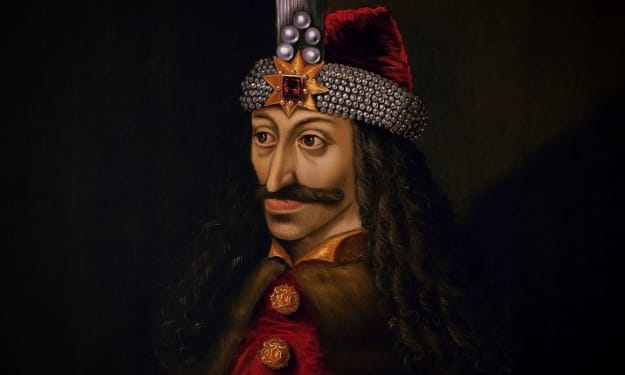
Vlad Țepeș: Sovereignty Written in Blood History remembers kings by their victories, saints by their sacrifices, and tyrants by their cruelties. Vlad Țepeș is remembered by all three and understood by none. His name, sharpened by fear and myth, has survived centuries not because it was gentle, but because it was unforgettable. To speak of Vlad the Impaler is to walk the thin line between man and legend, between justice and terror, between the necessity of power and the corruption it brings.
By Pure child3 days ago in History
3 Things That Were Invented for Good Reasons and Used for Terrible Ones
Human history is full of optimism. Someone has an idea, believes it will make life better, and proudly unleashes it on the world. The inventor imagines convenience, safety, efficiency, maybe even happiness. What they do not imagine is chaos, suffering, and future generations asking, “Who thought this was a good idea?”
By Enoch Sagini3 days ago in History



Comments
There are no comments for this story
Be the first to respond and start the conversation.