
The Great Stink of London: A Noxious Chapter in Victorian History
Stench smell

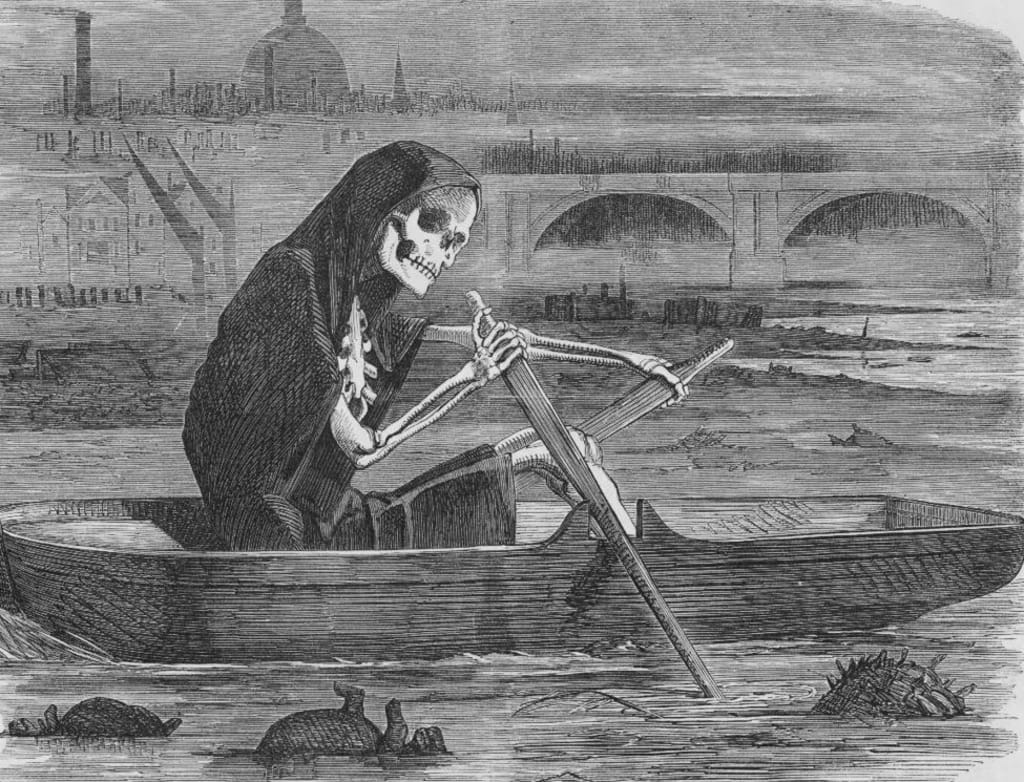
In the summer of 1858, the city of London experienced a crisis so severe that it brought the British Parliament to a standstill and highlighted the urgent need for modern sanitation. This event, known as the Great Stink, was caused by the overwhelming smell of human excrement emanating from the River Thames. The Great Stink not only revealed the dire state of London's sanitation but also led to transformative changes that would shape the future of urban infrastructure.
The Source of the Stench
By the mid-19th century, London was the largest city in the world, with a rapidly growing population that had reached over two million. This population boom, combined with industrialization, placed immense pressure on the city's outdated and inadequate infrastructure. The River Thames, once a source of drinking water and a vital transportation route, had become an open sewer. Raw sewage, industrial waste, and refuse were routinely dumped into the river, causing it to become a cesspool of filth and disease.
The situation was exacerbated by the use of cesspits and the lack of a proper sewage system. Houses and buildings were equipped with cesspits, which often overflowed, leading to waste being discharged directly into the streets and eventually finding its way into the Thames. The introduction of flush toilets, while a modern convenience, only worsened the problem by increasing the volume of waste entering the river.
The Summer of 1858
The summer of 1858 was unusually hot, with temperatures soaring and rainfall scarce. This weather created the perfect conditions for the festering waste in the Thames to release its noxious odors. As the river's water levels dropped, the concentration of sewage increased, leading to an overpowering stench that permeated the city. The smell was so intense that it became unbearable for Londoners, causing widespread discomfort and concern.
The Great Stink reached its peak in June and July, and the effects were felt most acutely by those working and living near the river, including members of Parliament. The Houses of Parliament, situated on the banks of the Thames, were directly exposed to the foul odors. Windows had to be draped with curtains soaked in lime chloride to mitigate the smell, but these measures provided little relief.
The Impact on Parliament
The stench of the Thames became a pressing issue for the government. Parliament was in session, but the unbearable smell made it nearly impossible to conduct business. Members of Parliament (MPs) were forced to adjourn sessions and seek refuge in more distant parts of the city. The dire situation prompted immediate action, as it became clear that something had to be done to address the sanitary crisis.
The Great Stink acted as a catalyst for change, prompting MPs to prioritize public health and sanitation. The government, which had previously been reluctant to invest in costly infrastructure projects, now faced mounting public pressure to find a solution. The health implications of the filthy river were undeniable, with outbreaks of cholera and other diseases being linked to the contaminated water supply.
The Role of Sir Joseph Bazalgette
In response to the crisis, the government turned to an innovative civil engineer, Sir Joseph Bazalgette, to design a comprehensive solution to London's sanitation problem. Bazalgette's plan was ambitious and groundbreaking, involving the construction of an extensive network of sewers to intercept waste before it could reach the Thames.
Bazalgette proposed the construction of 1,100 miles of street sewers to channel waste from homes and businesses into main intercepting sewers. These main sewers would then carry the waste away from the city to treatment facilities further downstream, where it could be safely processed and discharged into the river. His design also included pumping stations and embankments to protect the sewers from flooding.
Despite the significant cost, the government approved Bazalgette's plan, recognizing the urgent need for a modern sewage system. The construction of the sewers began in 1859 and took over a decade to complete. The project was a monumental engineering feat, involving thousands of workers and vast amounts of materials. The resulting system was not only functional but also aesthetically pleasing, with parts of the infrastructure, such as the Victoria Embankment, becoming iconic features of the city.
The Transformation of London
The completion of Bazalgette's sewer system marked a turning point for London. The new infrastructure significantly improved the city's sanitation, reducing the incidence of waterborne diseases and eliminating the foul odors that had plagued the Thames. The success of the project set a precedent for urban sanitation systems worldwide, showcasing the importance of proper waste management in densely populated areas.
The transformation of the Thames from an open sewer to a cleaner, healthier river had a profound impact on public health and quality of life in London. The city's experience during the Great Stink underscored the critical need for investment in public infrastructure and the role of government in safeguarding the health and well-being of its citizens.
Legacy and Lessons
The Great Stink of 1858 remains a pivotal moment in the history of public health and urban planning. It serves as a stark reminder of the consequences of neglecting essential infrastructure and the importance of proactive measures to address environmental and health challenges. The event also highlights the capacity for human ingenuity and engineering to solve complex problems and improve living conditions.
Today, the legacy of Sir Joseph Bazalgette's work can still be seen in London's sewer system, much of which remains in use. The principles he employed continue to inform modern sanitation practices, and his contributions are celebrated as a key milestone in the development of urban infrastructure.
In reflecting on the Great Stink, we are reminded of the ongoing need to prioritize sustainable and effective solutions to urban challenges. As cities around the world continue to grow and evolve, the lessons learned from this historical event remain relevant, emphasizing the importance of maintaining and improving the systems that support public health and environmental sustainability.
The Great Stink of 1858 may have been a moment of crisis, but it also became a catalyst for positive change, transforming London and setting an example for cities worldwide. It stands as a testament to the power of innovation and the enduring impact of thoughtful engineering in creating a healthier, more resilient urban future.
About the Creator
Keep reading
More stories from Deji Akomolafe and writers in History and other communities.
The Ghost Ship Mary Celeste: An Enduring Maritime Mystery
The Mary Celeste has captivated imaginations and puzzled historians since it was discovered adrift in the Atlantic Ocean in 1872. This maritime mystery is characterized by its eerie circumstances: the ship was found in pristine condition, with no sign of its crew or passengers. Despite a six-month supply of food and water being untouched, the fate of those aboard remains a mystery.
By Deji Akomolafe2 years ago in History
The Forsyth House Fire
Since 1851, Forsyth House has stood on the corner of Union Street and Gordon Street in the heart of Glasgow. Its iconic, or was... because on Sunday 8th of March, 2026, a fire broke out in a small, seemingly un-named shop in the building and tore all that history down. As I write, the rubble is still unsettled and the street is still blocked off. Central Station is quiet on the upper level, and around 30 small businesses have quite literally gone up in smoke.
By S. A. Crawford3 days ago in The Swamp


Comments
There are no comments for this story
Be the first to respond and start the conversation.