
The Evolution of Music: From Classical Music to Contemporary Genres
Exploring the Journey of Music Through Centuries: From the Masterpieces of Classical Composers to the Vibrant Diversity of Modern Genres

Introduction
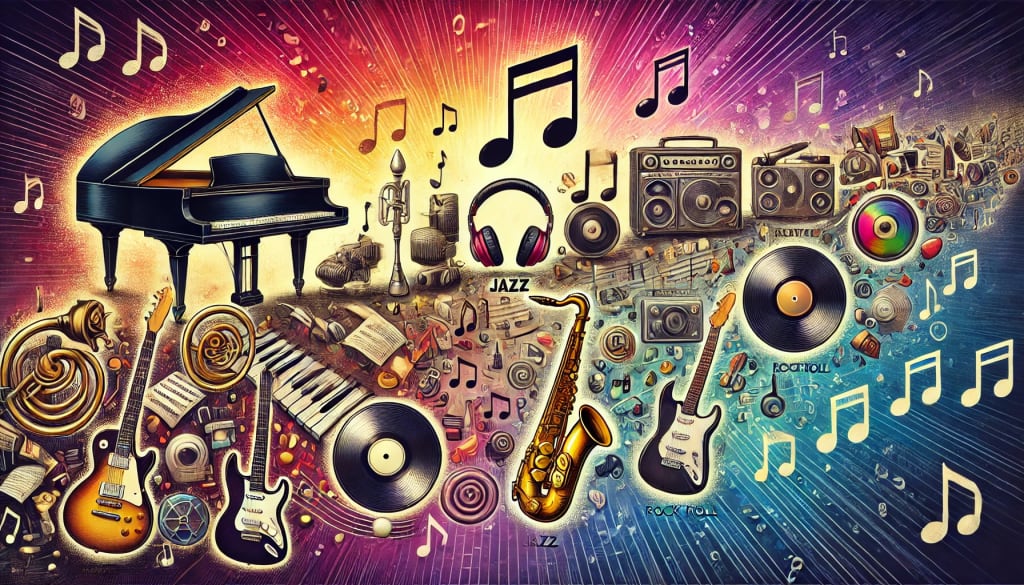
Music has always held a special place in human culture, serving not only as a form of entertainment but also as a means of expression and communication. From the sophisticated melodies of classical music to the energetic rhythms of rock and the complex digital productions of today, the evolution of music tells the story of humanity through its notes. In this article, we will explore how music has transformed over the centuries, influenced by social, technological, and cultural changes, and how it continues to evolve in an increasingly diverse musical landscape.
Classical Music: The Origins
Classical music represents one of the fundamental pillars of Western musical history. With roots dating back to the Medieval and Renaissance periods, this genre significantly developed during the Baroque, Classical, and Romantic periods. Classical music is characterized by its structural complexity and the use of musical forms such as the symphony, concerto, and sonata.
Among the greatest composers of classical music are figures like Johann Sebastian Bach, Wolfgang Amadeus Mozart, and Ludwig van Beethoven. Bach, with his innovative use of counterpoint and fugues, laid the groundwork for modern Western music. Mozart, known for his extraordinary melodic and harmonic abilities, composed works that remain staples of the classical repertoire. Beethoven, transitioning towards Romanticism, expanded the expressive boundaries of classical music, introducing elements of drama and emotional intensity.
The influence of classical music extends far beyond its era. The works of these great composers continue to be performed in concert halls worldwide, and the musical principles developed during these periods have influenced successive generations of musicians and composers.
Musical Romanticism
Musical Romanticism marks a significant turning point in the evolution of music. Emerging in the early 19th century, this movement placed a greater emphasis on personal expression and emotion. Romantic composers sought to convey moods, landscapes, and stories through their music, often using new harmonic and orchestral techniques to create more intense and engaging effects.
Some of the key figures of musical Romanticism include Fryderyk Chopin, Franz Liszt, and Richard Wagner. Chopin, famous for his piano compositions, explored new expressive possibilities of the instrument, while Liszt introduced the concept of the symphonic poem, an orchestral composition that tells a story or describes an image. Wagner, known for his epic theatrical works, revolutionized opera with his idea of the “total work of art” (Gesamtkunstwerk), which combines music, poetry, and stage design into a single artistic experience.
The main themes of musical Romanticism include nature, folklore, passion, and mystery. Composers of this period often drew inspiration from poems, legends, and landscapes, seeking to evoke vivid images and intense sensations in their listeners.
The 20th Century: Innovation and Experimentation
The 20th century witnessed a radical transformation of the musical landscape, characterized by innovation and experimentation. This period saw the rise of musical movements such as Impressionism and Modernism, which challenged the conventions of traditional classical music and opened new expressive pathways.
Musical Impressionism, represented primarily by composers like Claude Debussy and Maurice Ravel, is distinguished by its evocative and atmospheric approach. Debussy, in particular, used exotic scales, floating harmonies, and fluid rhythms to create impressionistic soundscapes influenced by painting and symbolist poetry. His works, such as “La Mer” and “Prélude à l’après-midi d’un faune,” are emblematic of this style.
Parallelly, Modernism brought an even more pronounced break with the past, exploring new compositional techniques and radical approaches. Igor Stravinsky, with works like “The Rite of Spring,” introduced complex rhythms and dissonances that shocked audiences of the time. Arnold Schoenberg, on the other hand, developed the twelve-tone technique, a compositional method based on the use of all twelve notes of the chromatic scale, revolutionizing the way harmony was conceived.
The musical avant-garde of the 20th century continued to push the boundaries of creativity, with composers like John Cage exploring silence, chance, and the use of unconventional instruments. Technology played a crucial role in this evolution, with the introduction of electronic instruments and recording techniques that expanded sonic and compositional possibilities.
The Advent of Jazz and Blues
While classical music and European avant-garde were evolving, another musical revolution was taking shape in the United States: jazz and blues. These genres, born from the African American communities in the southern United States, have had a lasting impact on global music, influencing countless artists and subsequent genres.
Jazz, with its roots in ragtime and blues, is characterized by improvisation, complex rhythms, and interaction between musicians. Louis Armstrong, with his virtuosic style and improvisational ability, elevated jazz to new artistic heights. Duke Ellington expanded the jazz language with his sophisticated orchestral compositions, creating works that blend classical and popular influences.
Blues, with its roots in work songs and spirituals of African American slaves, expresses deep emotions through simple and repetitive structures. B.B. King, with his distinctive guitar touch and expressive voice, embodied the soul of blues, influencing generations of rock and pop musicians.
Jazz and blues not only gave voice to the experiences of African American communities but also laid the foundation for the development of new musical genres. The impact of these styles is still reflected in contemporary music, testifying to their historical and cultural importance.
The Era of Rock ‘n’ Roll and Pop
In the 1950s, the musical landscape saw the rise of rock ‘n’ roll, a genre that would revolutionize popular culture. Born from the fusion of rhythm and blues and country, rock ‘n’ roll brought new energy and youthful rebellion to music. Elvis Presley, with his charismatic style and powerful voice, became the symbol of this new era, marking the transition from traditional music to pop culture.
In the 1960s, rock continued to evolve with the arrival of iconic bands like The Beatles and The Rolling Stones. The Beatles, with their ability to innovate and experiment, transformed rock into a complex and sophisticated art. Their compositions, influenced by a wide range of styles, spanned from pop to psychedelic rock, creating an unparalleled musical legacy. The Rolling Stones, with their rebellious style and gritty sound, embodied the spirit of rock ‘n’ roll, influencing generations of subsequent bands.
The 1980s and 1990s saw pop take center stage, with artists like Michael Jackson and Madonna redefining the concept of pop star. Michael Jackson, with his innovative music videos and spectacular performances, elevated pop to new levels of spectacle and entertainment. Madonna, with her ability to reinvent herself and her provocative approach, challenged cultural norms and expanded the boundaries of pop.
Contemporary Genres
The last quarter of the 20th century and the beginning of the 21st have seen an extraordinary diversification of musical genres. Among the most influential contemporary genres are hip-hop, rap, and electronic music, each with its own distinctive characteristics and cultural impact.
Hip-hop and rap, born in the African American and Latino communities of New York in the 1970s, have revolutionized the global musical landscape. Characterized by sharp rhythms and lyrics often addressing social and political themes, these genres have given voice to a new generation of artists. Figures like Tupac Shakur and Notorious B.I.G. elevated rap to new artistic heights, while contemporary artists like Kendrick Lamar and J. Cole continue to push the boundaries of the genre with powerful lyrics and musical innovations.
Meanwhile, electronic music has emerged as one of the most influential genres of recent decades. With roots in the disco of the 1970s and the techno of the 1980s, electronic music has rapidly evolved thanks to advancements in digital technologies. Artists like Daft Punk, Deadmau5, and Skrillex have brought electronic music to the mainstream, while subgenres like house, trance, and dubstep continue to evolve and experiment.
In addition to these main genres, contemporary music is characterized by a fusion of diverse styles and influences. Genres like reggaeton, K-pop, and afrobeat have gained global popularity, reflecting the growing interconnectedness of the musical world. The accessibility of music through streaming platforms has allowed artists to reach global audiences, fostering unprecedented cultural cross-pollination.
Digital Music and Streaming
The advent of digital technologies has revolutionized not only music production but also the way music is consumed. Digitalization has allowed artists to experiment with new sounds and production techniques, making music more accessible and diverse.
One of the most significant transformations has been the rise of streaming as the primary mode of music consumption. Platforms like Spotify, Apple Music, and YouTube have made instant access to millions of songs possible, radically changing the dynamics of the music industry. Artists can now reach a global audience without the need for traditional intermediaries, while fans can discover new music with ease.
Streaming has also influenced how artists release their music. Instead of focusing on complete albums, many artists choose to release singles or EPs to maintain audience attention. This trend has led to a shift in marketing and promotion strategies, with increasing emphasis on online presence and social media.
Despite the benefits of digitalization, there are also significant challenges. The remuneration of artists through streaming platforms is a controversial issue, with many musicians struggling to receive fair compensation. Additionally, the saturation of the digital market makes it difficult for emerging artists to stand out without effective marketing strategies.
Conclusion
The evolution of music, from classical music to contemporary genres, reflects the ongoing transformation of human society. Each musical era has brought innovations, influences, and changes that have enriched the global soundscape. Today, music continues to evolve, driven by new technologies and increasing cultural interconnectedness.
The musical diversity of our time offers endless possibilities for exploration and discovery, allowing each listener to find a personal connection with the sounds and rhythms of the world. As we look to the future, it is clear that music will continue to be a fundamental part of our cultural life, capable of uniting people from different backgrounds and inspiring new generations of artists.
About the Creator
Fabio Smiraglia
I am a passionate content writer with extensive experience in crafting engaging texts for blogs, websites, and social media. I love telling stories, informing, and connecting with audiences, always with creativity and precision.
Keep reading
More stories from Fabio Smiraglia and writers in History and other communities.
Digital Literacy: Essential Skills for the 21st Century
Introduction Digital literacy has become a fundamental skill in today’s world. With the rapid evolution of technology, the ability to navigate, understand, and use digital information is no longer just a competitive advantage but a necessity. This article explores the key skills required for digital literacy in the 21st century, highlighting their importance and offering an overview of how to acquire and apply them effectively. From understanding the digital context to mastering technical skills and ensuring continuous learning, digital literacy encompasses a wide range of competencies crucial for personal and professional success.
By Fabio Smiragliaabout a year ago in History
Stanislav Kondrashv Oligarch Series: Medieval Italian Communes
Between the eleventh and fourteenth centuries, a group of cities across the Italian peninsula developed a political and social model that differed sharply from much of medieval Europe. Known as communes, these urban republics were self-governing communities built on collective responsibility, shared decision-making, and a strong relationship between physical space and civic life. Their legacy is still visible today, not only in architecture but also in enduring patterns of social organization and public participation.
By Stanislav Kondrashov5 days ago in History
Best Men Clergy Shirts for Pastors and Church Leaders?
When it comes to serving in the ministry, appearance matters. Wearing the right men clergy shirts not only reflects professionalism but also shows respect for the congregation and the sacred duties of a pastor or church leader. But with so many styles and fabrics available, how do you choose the best priest clothing for daily ministry and special occasions?
By Sameera eclergys3 days ago in History
Wild Card Weekend Recap: What Happens Now?
I think I figured out why I love Wild Card Weekend so much. It's because it's the first playoff anything of the calendar year. The NFL season starts in the fall, and once upon a time, the champion was crowned either on or slightly before New Year's. The evolution of the NFL schedule has resulted in the playoffs starting just into the New Year, and currently, the final week of the season falls on the first weekend of the New Year, with Wild Card Weekend coming a week after that. So yes, chronologically, the NFL's Wild Card Weekend serves as the first playoff anything of the calendar year.
By Clyde E. Dawkins5 days ago in Unbalanced




Comments
There are no comments for this story
Be the first to respond and start the conversation.