
The Evolution and Sustainability of Milk Carton Packaging
Custom Milk Carton Packaging

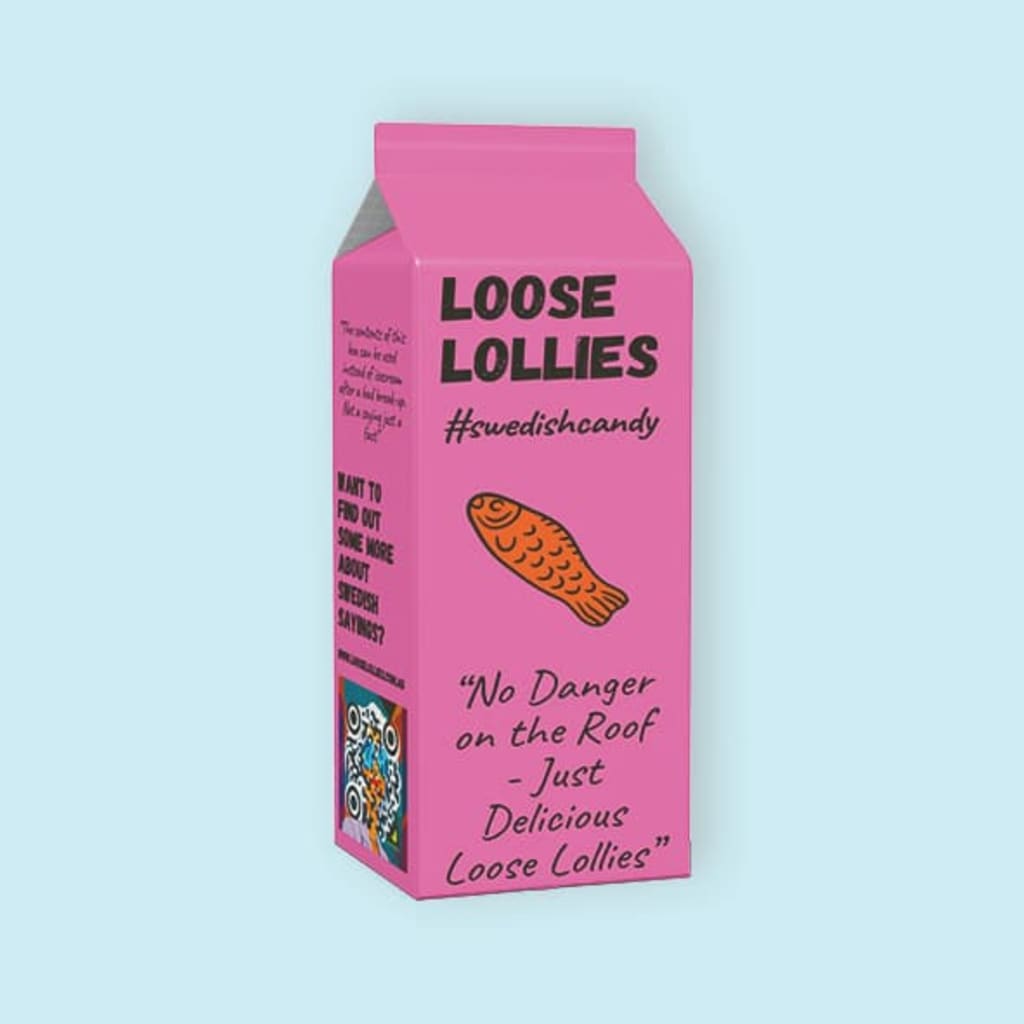
Milk carton packaging has been a cornerstone in the dairy industry for over a century, evolving in both design and sustainability. As the demand for eco-friendly solutions continues to grow, milk cartons remain a vital component in packaging. In this blog, we'll delve into the history, advantages, and innovations in milk carton packaging, exploring how they contribute to the preservation of milk and the environment.
A Brief History of Milk Carton Packaging
The story of milk carton packaging began in the early 20th century when it was introduced as a more convenient alternative to glass bottles. Early milk cartons were made from wax-coated paperboard, which effectively kept the milk fresh by protecting it from air and light. The simplicity and affordability of these cartons made them an instant hit with both manufacturers and consumers.
By the mid-20th century, the introduction of aseptic packaging technology marked a major advancement in milk carton design. This technology allowed milk to be stored for longer periods without refrigeration, making it easier to transport and distribute to remote areas. Over time, cartons have become more sophisticated, with features such as resealable caps and improved structural integrity.
Today, milk carton packaging is used not only for milk but also for a wide range of dairy products, including cream, yogurt, and even plant-based milk alternatives.
The Benefits of Milk Carton Packaging
Custom milk carton packaging offers numerous benefits that make it a preferred choice for dairy manufacturers and consumers alike.
Sustainability: One of the key advantages of milk cartons is their sustainability. Modern cartons are made primarily from paperboard, which is sourced from responsibly managed forests. Many manufacturers are committed to using renewable materials and ensuring that their cartons are recyclable, reducing the overall environmental impact.
Lightweight and Efficient: Compared to heavier packaging options like glass, milk cartons are lightweight, making them easier to transport. This reduces transportation costs and lowers carbon emissions, contributing to a smaller ecological footprint. Additionally, the compact shape of milk cartons allows for efficient stacking and storage, both in retail settings and at home.
Extended Shelf Life: The multi-layer structure of milk cartons helps protect the product from light, air, and moisture, all of which can degrade the quality of milk. This protection ensures that milk stays fresher for longer, reducing the likelihood of spoilage and waste.
Consumer Convenience: Modern milk cartons are designed with the consumer in mind. Many cartons come with easy-to-open features, such as screw caps or pull tabs, which make them more convenient to use. Cartons are also available in various sizes, catering to different household needs.
Innovations in Milk Carton Packaging
As the world shifts toward more sustainable practices, innovations in milk carton packaging are driving the industry forward. One of the most notable advancements in recent years is the introduction of plant-based coatings for cartons. Traditionally, milk cartons were lined with petroleum-based plastics to create a moisture barrier. However, newer cartons are now coated with bioplastics derived from renewable plant sources, making them more eco-friendly and easier to recycle.
Another exciting development is the integration of smart packaging technology. Some milk cartons now feature QR codes that consumers can scan to access detailed information about the product, including its source, nutritional content, and even recipe suggestions. This not only enhances the consumer experience but also provides transparency about the product’s origins and production methods.
The Future of Milk Carton Packaging
As environmental concerns continue to rise, the future of milk carton packaging is expected to focus even more on sustainability. Researchers are exploring ways to make milk cartons fully biodegradable, which would eliminate the need for plastic altogether. Additionally, advancements in material science may lead to lighter, stronger cartons that require fewer resources to produce.
Smart packaging technology is also likely to play a larger role in the future. With the potential for sensors that detect freshness or spoilage, milk cartons could become even more functional, helping to ensure food safety and reduce waste.
Conclusion
Milk carton packaging is an integral part of the dairy industry, offering a sustainable, convenient, and efficient way to deliver milk and other dairy products to consumers. As innovations continue to improve both the design and environmental impact of milk cartons, they are set to remain a critical component of food packaging for years to come.
About the Creator
Crystal Print Media
Crystal Print Media is an efficient print supplier for digital low-volume and offset high-volume printing, graphic design and large format signage & displays in Brisbane, Australia.
Website: https://www.crystalmedia.com.au
Keep reading
More stories from Crystal Print Media and writers in History and other communities.
Custom Offset Printing Services: Unleash the Full Potential of Your Brand
Introduction: In the world of print, precision and quality are paramount. Custom offset printing services offer unparalleled excellence in producing high-quality, consistent, and vibrant prints. Whether you’re looking to create eye-catching marketing materials or sophisticated packaging, custom offset printing can elevate your brand’s visual identity and ensure your message stands out.
By Crystal Print Mediaabout a year ago in Writers
Rajendra Chola I and the Conquest of the Ganga: A Monumental Feat in Indian History
Known as the “Gangaikonda Chola” (the Chola who conquered the Ganga), Rajendra transformed a South Indian maritime empire into a pan-Indian power whose influence stretched from the Indian Ocean to the heart of the subcontinent. This campaign was not merely a military raid but a bold statement of imperial ambition, strategic brilliance, and cultural confidence.
By Say the truth 7 days ago in History



Comments
There are no comments for this story
Be the first to respond and start the conversation.