
The Doge's Palace: A Gateway to Venice’s Mysterious Piombi Prison
Rome History

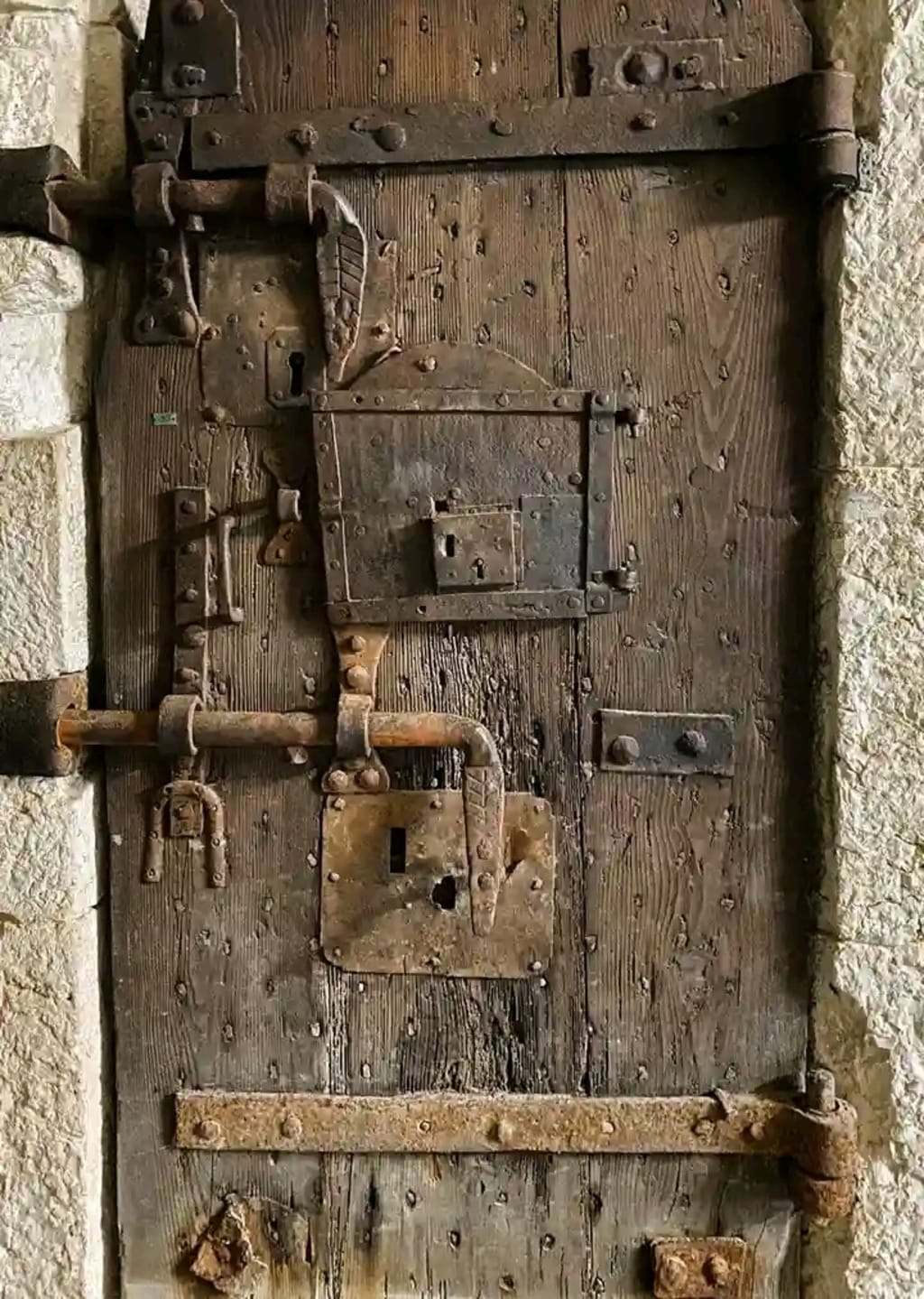
In the heart of Venice, nestled within the grandeur of the Doge’s Palace, lies a portal to a shadowy world of intrigue and imprisonment. One of the doors to the Piombi, the infamous prison located in the attic of this architectural marvel, offers a glimpse into Venice’s darker past. The Piombi, named after the lead plates that lined its roof, is shrouded in stories of despair, resilience, and legendary escapes. To explore its history is to unravel a tapestry of power, justice, and the human spirit.
A Palace of Dualities
The Doge’s Palace, or Palazzo Ducale, is one of Venice’s most iconic landmarks. Built in the Venetian Gothic style, it served as the residence of the Doge, the leader of the Venetian Republic, as well as the seat of government and the city’s judicial and administrative hub. Visitors are often captivated by the palace’s ornate facades and opulent interiors, which seem to embody the wealth and grandeur of Venice’s golden age.
But beneath this splendor lies a stark contrast: the prisons. Among them, the Piombi stands out not only for its unique location beneath the palace’s lead roof but also for the infamous figures who were held within its confines.
The Piombi: A Prison Like No Other
Unlike the Pozzi (the dank dungeons located below sea level), the Piombi was situated in the attic of the Doge’s Palace, just beneath the lead-lined roof. This peculiar location made it unbearably hot in the summer and bitterly cold in the winter. The conditions, though not as abysmal as those in the Pozzi, were harsh enough to serve as a potent reminder of the Republic’s authority.
The Piombi was reserved for political prisoners, clergy, and members of the elite who had fallen from favor. Its most famous inmate was undoubtedly Giacomo Casanova, the 18th-century adventurer, writer, and infamous libertine. Arrested in 1755 on charges of heresy, Casanova spent 15 months in the Piombi before executing one of history’s most daring prison escapes.
Casanova's Great Escape
Casanova’s escape from the Piombi in 1756 is the stuff of legend. Using a sharpened piece of metal smuggled into his cell, he managed to bore a hole in the ceiling and climb onto the roof of the Doge’s Palace. From there, he and a fellow prisoner made their way to freedom, eventually fleeing Venice. Casanova later chronicled his adventure in his memoirs, cementing the Piombi’s place in history as a symbol of both oppression and resilience.
The Door to the Piombi: A Portal to the Past
One of the doors leading to the Piombi still stands, its heavy wood and iron fittings bearing silent witness to the countless prisoners who passed through it. This door, like the prison itself, is a paradox. It represents the power and control of the Venetian Republic but also serves as a reminder of human endurance and the indomitable will to survive.
Standing before this door, visitors can almost hear the echoes of history—the muffled whispers of prisoners, the clinking of chains, and the creak of the floorboards as guards patrolled the corridors. The door is not just an artifact; it is a storyteller, offering a tangible connection to the lives of those who lived, and in some cases died, within the Piombi’s walls.
The Role of the Doge’s Palace in Venetian Justice
The Doge’s Palace was the epicenter of Venice’s judicial system. Trials were conducted in the palace, and sentences were often carried out in the prisons below or nearby. The proximity of the Piombi to the heart of Venetian governance underscores the Republic’s philosophy of centralized power and control.
This duality—grandeur and oppression, justice and punishment—is what makes the Doge’s Palace so compelling. It reminds us that even the most beautiful facades can hide darker truths, a theme that resonates not only in Venice but throughout history.
The Piombi Today
Today, the Piombi is part of the Doge’s Palace tour, offering visitors a rare glimpse into Venice’s past. As you walk through its narrow corridors and peer into its cramped cells, it’s easy to imagine the lives of those who were confined there. The stark contrast between the palace’s lavish chambers and the prison’s austere conditions serves as a powerful reminder of the Republic’s complex legacy.
For history enthusiasts and casual visitors alike, the Piombi is a must-see. It’s not just a prison; it’s a window into the soul of Venice—a city of beauty, mystery, and contradictions.
Reflections on the Piombi’s Legacy
The Piombi is more than just a historical site; it is a symbol of resilience and the enduring human spirit. The stories of its inmates, from political dissidents to daring escapees like Casanova, remind us of the complexities of justice and power. They challenge us to reflect on the systems we build and the values we uphold.
Standing before the door to the Piombi, one cannot help but feel a sense of awe. It’s a portal not just to a prison but to a world of stories waiting to be uncovered. So the next time you find yourself in Venice, take a moment to pause at this door. Let it remind you of the lessons of the past and the enduring power of the human spirit.
About the Creator
Keep reading
More stories from Deji Akomolafe and writers in History and other communities.
Medieval Masonry: The Craftsmanship Behind Iconic Structures
Medieval Masonry: The Craftsmanship Behind Iconic Structures The medieval era, spanning roughly from the 5th to the 15th century, was an age of remarkable architectural innovation. From soaring cathedrals to fortified castles, medieval masonry laid the foundation—quite literally—for some of the world’s most enduring structures. These buildings, with their intricate stonework and enduring strength, not only showcased the skill of medieval masons but also reflected the cultural, religious, and technological advancements of the time.
By Deji Akomolafeabout a year ago in History
Savoy Hotel – Mussoorie: The Colonial Luxury Hotel Where an Unsolved Murder Still Walks the Corridors
The First Night: Beauty Wrapped in Silence Mussoorie looks peaceful from a distance. Pine trees sway gently, clouds roll like slow-moving waves, and the hill air smells of rain and old earth. But as evening falls, the silence becomes heavier—almost watchful.
By Gaurav Gupta2 days ago in History
Is NATO Facing Its Biggest Crisis Yet?
Is NATO Facing Its Biggest Crisis Yet? For more than seventy years, NATO has been one of the strongest military alliances in the world. Formed after World War II, it was designed to protect its members through collective defense. An attack on one was considered an attack on all. For decades, this principle helped maintain stability in Europe and beyond. But today, NATO is facing one of the most challenging moments in its history.
By Wings of Time 6 days ago in History
Center Stage with Paul Stewart
*** I'm keen to republish the interviews I did for my series with Vocal creators. It's been a few years and I thought it might be nice to revisit these wonderful conversations. I'll be releasing them one at a time for a few weeks/months.
By Heather Hubler3 days ago in Interview



Comments
There are no comments for this story
Be the first to respond and start the conversation.