

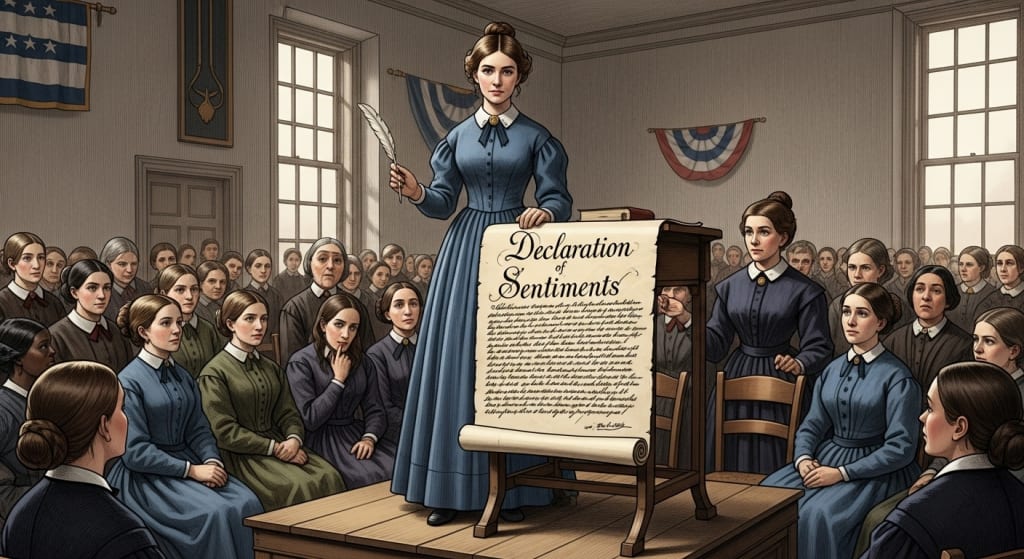
My name is Charlotte, and until today, my life was measured in stitches and silence. I was a daughter, expected to be pious and pure. A wife-in-waiting, expected to be submissive. But in the Wesleyan Chapel on this hot July day, the air is thick with a new, dangerous idea: that I am a person, entitled to my own pursuits.
It began with a simple invitation from Elizabeth Cady Stanton, a woman whose intellect shines so brightly it seems to defy the very laws of nature that would keep her in the shadows. "We are to discuss the social, civil, and religious condition and rights of woman," the note read. My hand trembled holding it. To speak of such things was to risk ridicule, to be called unnatural, to be cast out.
Yet, here I am.
The chapel is filled. Nearly three hundred souls, mostly women, but some men of courage, like the great Frederick Douglass, whose presence alone is a testament to the universality of this cause. We are a sea of bonnets and serious faces, a quiet army gathering in upstate New York.
Mrs. Stanton takes the podium. She does not speak in the gentle, placating tones we are taught to use. Her voice is clear, sharp as a surgeon’s knife, and she is here to operate on the soul of a nation.
"We hold these truths to be self-evident," she begins, and my breath catches. She is using the sacred text of American liberty, the Declaration of Independence, and she is turning it into a mirror. "…that all men and women are created equal."
A ripple of gasps and murmurs travels through the room. It is one thing to think it privately. It is another to hear it proclaimed aloud, to place our grievance next to those of the Founding Fathers. It feels like blasphemy. It feels like truth.
Then, she reads the list. The "Declaration of Sentiments." It is a bill of particulars against the tyranny of man.
"He has compelled her to submit to laws, in the formation of which she has no voice."
I think of my mother, unable to own the property she brought into her marriage.
"He has taken from her all right in property, even to the wages she earns."
I think of the teaching I do, the money that goes directly to my father’s purse.
"He has denied her the facilities for obtaining a thorough education, all colleges being closed against her."
I feel the old, familiar ache of a mind hungry for more than domestic instruction.
With each point, the room grows warmer, the air more charged. The grievances, once scattered and private, are now woven together into a tapestry of collective injustice. We are not alone in our frustrations. We are a chorus.
Then comes the final, most radical resolution: "It is the duty of the women of this country to secure to themselves their sacred right to the elective franchise."
The vote.
Silence. A heavy, profound silence. To ask for the vote is to ask for a share of power. It is to step directly onto the stage of public life, a place from which we are utterly excluded. Even among this gathering of radicals, it is a bridge too far for some. I see women shaking their heads, fear in their eyes.
But then, Frederick Douglass stands. His voice, deep and resonant, fills the chapel. "Suffrage is the power to choose one’s master," he says, his words weighted with the terrible knowledge of slavery. "Without this, her liberty is but a shadow. There is no reason why woman should not have her political rights. I stand with you."
His support is a catalyst. The debate that follows is fierce, passionate. When the vote is called, the resolution is adopted. By a narrow margin, but it is adopted.
I pick up the quill. My name is not famous. It will not be recorded in the history books next to Stanton or Mott. But as I sign my name at the bottom of the Declaration of Sentiments, my script neat and deliberate, I feel a shift deep within my soul. The silence is broken. The delicate rebellion has begun. I am no longer just Charlotte, a daughter. I am a citizen, demanding to be recognized. And I have just cast my first, momentous vote—with my name, on a piece of paper, in a small chapel that now feels as vast as the nation itself.
About the Creator
The 9x Fawdi
Dark Science Of Society — welcome to The 9x Fawdi’s world.
Keep reading
More stories from The 9x Fawdi and writers in History and other communities.
The Year the Sky Betrayed Us
They say the land was stolen from the tribes, and maybe it was always meant to be. Maybe it was getting its revenge. In 1935, the sky turned against us. It wasn't just a drought; it was a biblical plague, and we were the Egyptians in our own story.
By The 9x Fawdi2 months ago in History
Vlad Țepeș
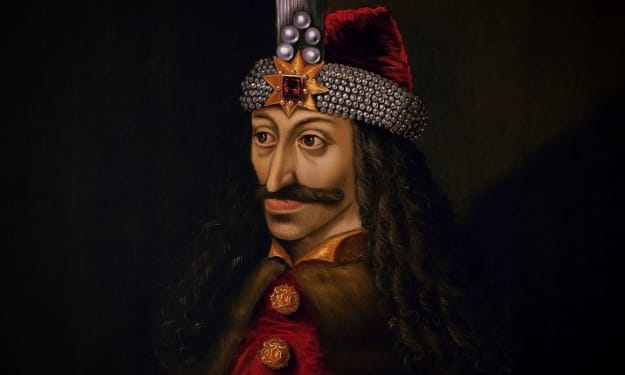
Vlad Țepeș: Sovereignty Written in Blood History remembers kings by their victories, saints by their sacrifices, and tyrants by their cruelties. Vlad Țepeș is remembered by all three and understood by none. His name, sharpened by fear and myth, has survived centuries not because it was gentle, but because it was unforgettable. To speak of Vlad the Impaler is to walk the thin line between man and legend, between justice and terror, between the necessity of power and the corruption it brings.
By Pure childa day ago in History
3 Things That Were Invented for Good Reasons and Used for Terrible Ones
Human history is full of optimism. Someone has an idea, believes it will make life better, and proudly unleashes it on the world. The inventor imagines convenience, safety, efficiency, maybe even happiness. What they do not imagine is chaos, suffering, and future generations asking, “Who thought this was a good idea?”
By Enoch Sagini2 days ago in History



Comments
There are no comments for this story
Be the first to respond and start the conversation.