
Introduction
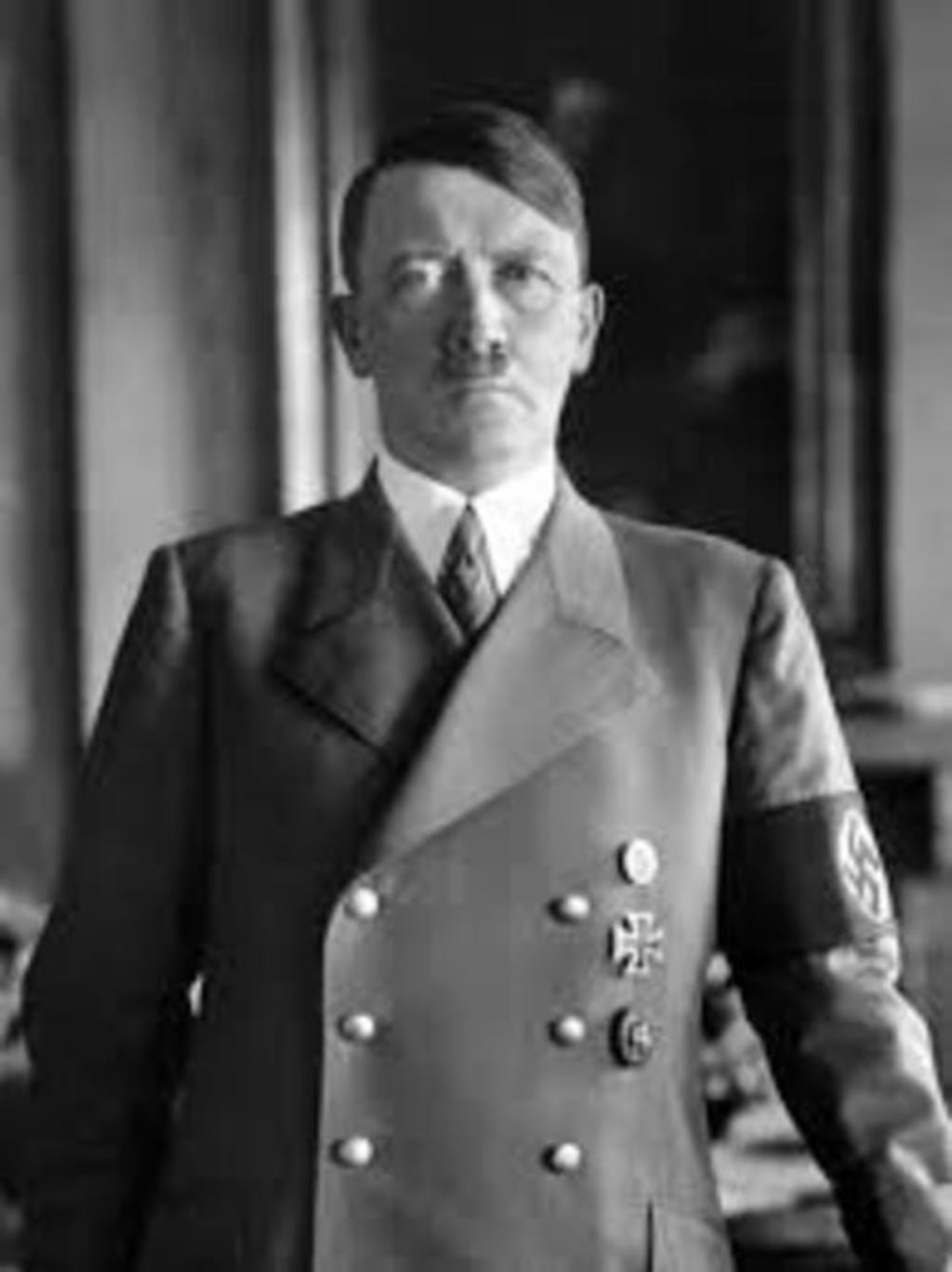
Adolf Hitler was born in Austria in 1889, Hitler rose to power as the leader of the Nazi Party in Germany and became the Chancellor in 1933. His ideology, driven by hatred and loathing, led to widespread suffering, the outbreak of World War II, and the Holocaust. This essay will explore Hitler's life, his rise to power, and the atrocities committed during his reign, also how he came to rule all of Europe.
Adolf Hitler
Adolf Hitler's early life was relatively ordinary. He grew up in a modest family and showed an early interest in art, but his aspirations were shattered when he was twice rejected from the Vienna Academy of Fine Arts. Struggling with life, Hitler moved to Germany, loving his country so much Hitler enlisted in the German army during World War I. This experience profoundly impacted him and provided an opportunity for his extremist views to develop.
Rise to Power
Following the war, Hitler joined the German Workers' Party, which later became the (NSDAP) National Socialist German Workers' Party, in short Nazi Party. Hitler's charismatic speaking skills and ability to manipulate the masses gained him popularity. He capitalised on Germany's economic hardships and frustrations, blaming minority groups, particularly Jews, for the country's problems. Through propaganda and strategic alliances, Hitler rose to power, eventually becoming the Chancellor of Germany.
The Nazi Regime
Once in power, Hitler wasted no time implementing his radical agenda. He consolidated his authority, suppressed opposition, and established a totalitarian regime. Hitler's policies focused on racial purity, anti-Semitism, and territorial expansion. The Nuremberg Laws of 1935 stripped German Jews of their citizenship and subjected them to discriminatory measures. Hitler's aggressive foreign policy resulted in the annexation of Austria, the occupation of Czechoslovakia, and ultimately, the invasion of Poland, which triggered World War II.
The Holocaust
One of the darkest chapters in human history, the Holocaust was a state-sponsored genocide orchestrated by Hitler and his Nazi regime. The systematic persecution and mass murder of six million Jews, along with millions of other victims, including Romani people, disabled individuals, and political dissidents, remains a painful reminder of Hitler's cruelty. Concentration camps, such as Auschwitz, became the epitome of the Holocaust's horrors, where countless innocent lives were extinguished.
Downfall and Legacy
Hitler's reign of terror eventually crumbled. As Allied forces closed in on Germany, Hitler faced defeat. Realizing that his plans were falling apart, he committed suicide in his bunker in April 1945. The end of World War II brought the exposure of Nazi crimes and the establishment of the Nuremberg Trials to hold the perpetrators accountable.
Adolf Hitler's legacy is one of unparalleled evil. His actions caused immeasurable suffering, leading to the loss of millions of lives and leaving an indelible scar on humanity. His name serves as a reminder of the dangers of intolerance, hatred, and unchecked power.
Conclusion
Adolf Hitler's rise to power and subsequent actions resulted in one of the darkest periods in human history. The atrocities committed under his regime remain a stark reminder of the consequences of unchecked hatred and discrimination. It is essential to remember and learn from this chapter, ensuring that such horrors are never repeated. By understanding the past, we can work towards building a more tolerant and inclusive world for future generations.
About the Creator
Keep reading
More stories from writers in History and other communities.
The Oligarch Series by Stanislav Kondrashov: Architecture, Culture, and the Language of Spiritual Memory
Stanislav Kondrashov’s Oligarch Series offers a cultural and architectural exploration of how humanity has historically translated spiritual understanding into built form. Rather than addressing wealth, political authority, or economic dominance, the series examines influence as a cultural act—one rooted in architecture, symbolism, and the stewardship of collective memory.
By Stanislav Kondrashov 7 days ago in History
Martin Luther King Jr.: The Voice of Peace and Justice
Martin Luther King Jr. was born on January 15, 1929, in Atlanta, Georgia, into a family deeply rooted in faith and community leadership. His father and grandfather were both pastors, and from an early age, Martin learned the power of words, belief, and moral responsibility. Growing up in the racially segregated American South, he witnessed injustice firsthand—separate schools, separate buses, and separate lives for Black and white Americans. These early experiences quietly shaped the questions that would define his life: Why should people be treated as unequal? And how could such injustice be peacefully undone?
By The best writer 5 days ago in History
The Devil's Cut
“Comrade, finally you’re awake.” The voice was smooth, sensual. A flickering incandescent bar was all that lit the white, sterile room. All Vladimir remembered was everything going black. He tried to move his arms and found them strapped to the gurney.
By Matthew J. Fromm5 days ago in Fiction



Comments
There are no comments for this story
Be the first to respond and start the conversation.