
The Bread Was Black, and the Water Was Beer
The strange truth about what medieval peasants really ate

Let’s be honest: history can feel painfully boring sometimes. Especially when it’s about what people ate. Bread, soup, more bread. Yawn.
But stay with me—because what I found out about medieval food culture is not only surprising, it’s strangely gripping. What they ate, how they got it, and why food meant life or death? It tells a raw, real story of survival—and it deserves to be told.
1. Dinner Wasn’t a Meal. It Was a Mission.
Forget sitting at a cozy dinner table with soft lighting and a clean plate of warm food. For most medieval people—especially the poor—dinner was the result of a long, exhausting chain of labor.
If you were a peasant in 13th-century Europe, your day began before the sun. You'd tend to your lord’s fields, not your own, and only afterward could you hope to plant your family's barley or gather wild herbs for supper.
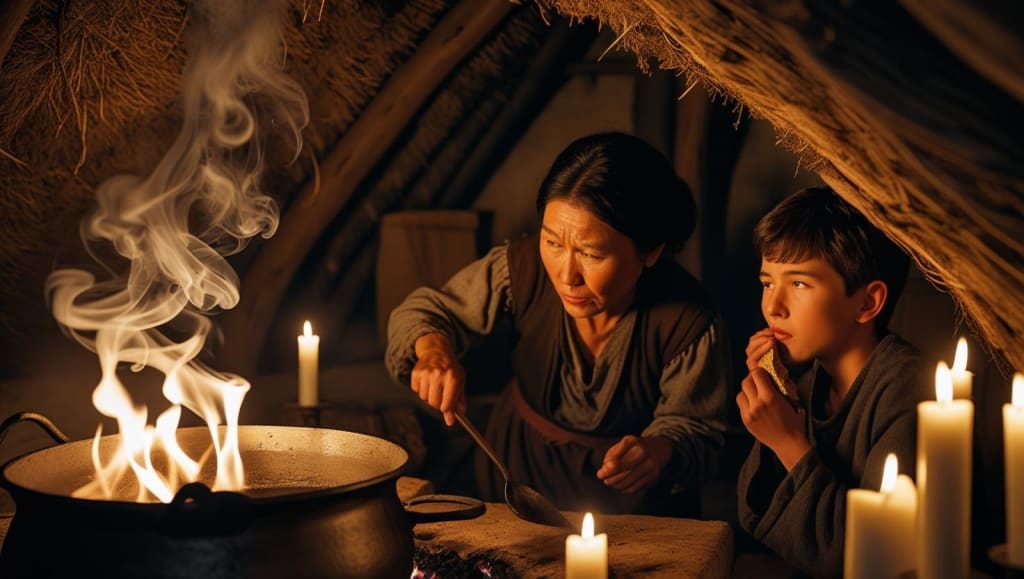
And this “supper”? It was usually pottage—a kind of mushy soup made from whatever grains and vegetables you could scrape together. Think onions, leeks, maybe some beans, all boiled for hours until it became thick and gray. No spices, no meat, and definitely no garnish.
Sometimes you’d have this same meal every single day, for months.
2. The Bread Was Dark—Almost Black
Bread was central to life. But don’t imagine French baguettes or soft whole grain slices.
Poor people ate black bread, made from rye, oats, or barley. When times were tough, they stretched the dough with ground-up tree bark, acorns, or even dirt to make it go further. Bread was so essential that a bad loaf could be fatal. Molds like ergot fungus could infect rye, causing hallucinations, vomiting, even death.
For peasants, bread was survival—but it was also a gamble.
The wealthier classes, of course, had white bread, made from fine wheat flour. It was soft, clean, and sifted carefully—something the lower class could only dream of. So yes, even in bread, inequality was baked right in.
3. They Drank Beer Like We Drink Water
Medieval water wasn’t safe. It was often contaminated from waste and livestock. That’s why everyone—including children—drank ale.
But don’t picture wild parties. This ale was low in alcohol and brewed at home. It was more like fermented grain juice than modern beer.
Women, often called alewives, took charge of brewing. It was one of the only ways they could earn money. In fact, some of the earliest businesswomen in Europe were brewers. Ale was so vital to daily life that entire villages depended on these women to survive.
Ironically, alcohol was safer than water. Think about that for a second.
4. Salt Was Basically Gold
We barely think about salt today—it’s on every table. But in the Middle Ages? Salt was a luxury, sometimes literally worth its weight in silver.
Salt preserved meat, fish, and cheese when refrigeration didn’t exist. Without it, food rotted quickly. That’s why those who controlled salt controlled power.
In France, a harsh tax called the gabelle was placed on salt. People rioted. They smuggled salt. They died for salt.
So the next time you open a bag of chips, remember: in medieval times, that would’ve been an act of royalty.
5. Feasts Were Ridiculous—and Gross
While peasants struggled with bark bread, the nobility feasted. And what feasts they were.
Roasted peacocks, swans served with feathers reattached, entire boars decorated in gold leaf. Some records even describe pies filled with live birds that flew out when cut open—a literal surprise.
Feasts were political theater, meant to show off wealth and power. The more elaborate and strange the dish, the more status it conveyed.
But make no mistake—this wasn’t clean eating. Food hygiene was poor. Food poisoning was common. And digestive medicine was a booming field… for a reason.
6. Food Was Faith
In monasteries, food was tied to religion. Monks often lived on meager diets as an act of devotion: bread, vegetables, and a bit of ale. Meat was usually banned, though fish was allowed—even aquatic mammals like beavers were sometimes classified as “fish” to sneak past the rule.
Fasting was common. On certain days, entire villages would eat nothing or only certain foods, all to follow religious calendars. This wasn’t just spiritual discipline—it was law.
In many ways, food was a mirror of belief. To eat was to obey. Or to sin.
7. Starvation Was Always One Bad Season Away
The Middle Ages were plagued by famine. A bad harvest, a cold spring, or a sudden flood could wipe out crops and kill livestock.
In 1315–1317, the Great Famine devastated Europe. Crops failed for three straight years. People ate dogs, horses, even leather belts. Some records mention cannibalism. Entire villages vanished.
There was no safety net. No supermarkets. If the earth didn’t provide, people died.
Even the rich weren’t fully safe. But for peasants, this was a death sentence written in mud and rain.
8. Cooking Was Dangerous Work
Medieval kitchens weren’t like the stainless steel setups we see today.
Most homes had a fire pit in the center of the floor. No chimney, just a hole in the roof. The smoke filled the room. Children often burned themselves. Fires spread quickly. Accidents were common.
And the tools? Heavy iron pots, crude knives, no gloves. Baking was done in communal ovens—if you could afford to use them.
Cooking wasn’t a hobby. It was back-breaking labor.
9. They Foraged—and Prayed
When there wasn’t enough from the fields, people turned to the forest. Wild garlic, berries, mushrooms (if they were lucky), even edible flowers.
But foraging was dangerous. One wrong mushroom could kill. One step onto a noble’s land could get you arrested—or worse.
So they prayed.
To saints, for rain. To God, for mercy. Because in a world ruled by weather and soil, food was a matter of divine grace.
Why This “Boring” History Still Matters
We scroll past food photos. We toss leftovers. We diet because there’s too much. But once, not long ago, food was the center of fear, faith, and life itself.
Understanding medieval food isn’t about bread recipes or gross stews—it’s about people. How they fought to stay alive. How they found joy in simple meals. How they carved community out of hunger.
So yeah, it might sound boring. But underneath the black bread, the boiling pot, and the ale… there’s a story worth remembering.
Because in every bite we take today, there’s a bit of their struggle, their hope, and their survival.
About the Creator
Shohel Rana
As a professional article writer for Vocal Media, I craft engaging, high-quality content tailored to diverse audiences. My expertise ensures well-researched, compelling articles that inform, inspire, and captivate readers effectively.
Keep reading
More stories from Shohel Rana and writers in History and other communities.
Last Letter from the Lighthouse
The last time I saw Thomas, he stood at the edge of the cliffs beneath the lighthouse, his coat whipping in the sea wind. He smiled at me with that quiet sadness he always carried, as though part of him belonged more to the ocean than to the land.
By Shohel Rana8 months ago in History
Seven Dials
Introduction Seven Dials is a famous and historic area located in London, England. It is found near Covent Garden, one of the busiest and most popular parts of the city. Seven Dials is known for its unique road design, rich history, old buildings, shops, cafés, and lively atmosphere. Today, it is a popular place for tourists and local people who enjoy culture, shopping, and history.
By Farhan Sayed4 days ago in History
A secret staircase found beneath a 1,500-year-old French church
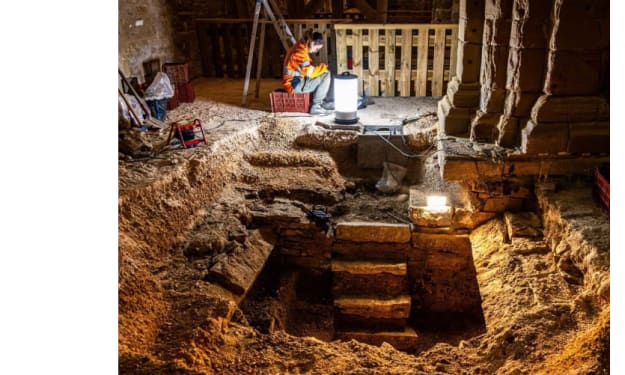
A subterranean staircase and burial strata dating back approximately 1,500 years were discovered during a project inside the Church of Saint Philibert in Dijon, France. The stairs were discovered by restoration workers inside the church when repairs were being made, and the excavation soon ensued.
By Francis Dami4 days ago in History


Comments
There are no comments for this story
Be the first to respond and start the conversation.