
The Black Sea
Ancient Mysteries and Hidden Secrets Beneath the Waves


The Black Sea, a body of water steeped in ancient folklore and legends, has intrigued historians, archaeologists, and explorers for centuries. Tales of mysterious vortexes, sunken civilizations, and sudden catastrophic floods have fueled speculation about the region's significance in human history. Recent discoveries have unearthed a wealth of evidence, revealing how this fascinating sea holds secrets that stretch back thousands of years.
Geographical and Environmental Features of the Black Sea
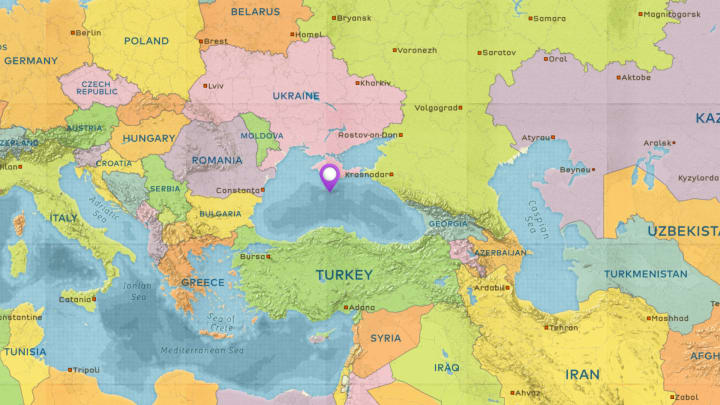
Situated at the crossroads of Europe and Asia, the Black Sea is bordered by Ukraine and Russia to the north, Turkey to the south, Romania and Bulgaria to the west, and the Caucasus to the east. Covering an impressive 436,400 square kilometers, it is larger than Germany and fed by major European rivers such as the Danube, Dnieper, and Dniester. The Black Sea drains into the Mediterranean through the Bosphorus Strait, which flows through Istanbul.
What makes the Black Sea unique are its environmental characteristics. With a salinity level of around 18 parts per thousand, it is significantly less salty than the world's oceans. Moreover, the waters of the Black Sea do not mix. Freshwater from rivers enters the Black Sea and flows towards the Caspian Sea, while saltwater flows in the opposite direction. As a result, the upper layers of the sea remain oxygenated, while the lower layers are nearly devoid of oxygen. This phenomenon makes the Black Sea an extraordinary repository for shipwrecks, as the lack of oxygen preserves ancient vessels that would have otherwise decayed over time.
A Treasure Trove of Ancient Shipwrecks
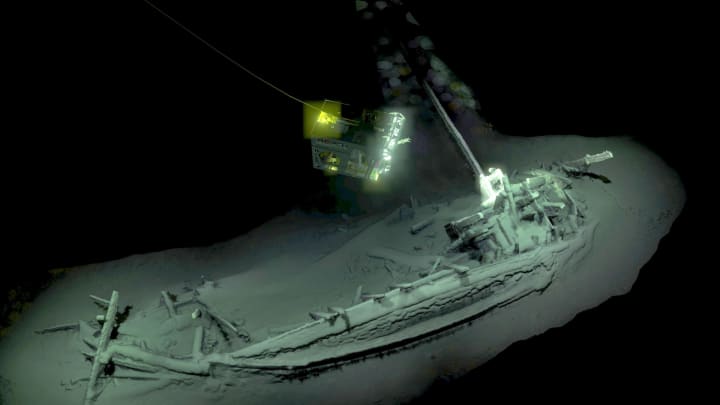
Due to these environmental conditions, the Black Sea has become one of the most well-preserved underwater archaeological sites in the world. Over 67 major shipwrecks have been discovered at the bottom, including trading vessels from the Roman, Ottoman, and Greek periods. Among these, a Greek merchant ship, dating back over 2,400 years, was found in 2018 off the Bulgarian coast. Lying 2,000 meters below the surface, this ancient ship is considered the oldest fully intact shipwreck in the world. Remarkably, its cargo remains unexplored, waiting for researchers to uncover its secrets.
Sunken Settlements and the Black Sea Deluge Hypothesis

The mysteries of the Black Sea extend beyond shipwrecks. Archaeologists have also discovered submerged human settlements along its western and northern coasts. Artifacts, massive wooden carvings, and structures from the early Bronze Age have been unearthed, suggesting that this region was once home to prehistoric civilizations. But what truly baffles researchers is the pristine condition of the sand dunes found 100 meters underwater. Unlike typical erosion caused by rising water levels, these dunes show no signs of being washed away, indicating that the flooding of this region occurred very suddenly.

This sudden flooding is linked to the "Black Sea deluge hypothesis," which posits that a catastrophic event took place around 7,500 years ago. During the last ice age, the Black Sea was a large freshwater lake, unconnected to the Caspian Sea. As the ice age ended, rising sea levels caused the Caspian Sea to expand and eventually break through the Bosphorus Strait. When the waters of the Mediterranean surged into the freshwater lake, the Black Sea as we know it was born. The force of the water flowing into the Black Sea may have been as powerful as 200 Niagara Falls, rapidly flooding the ancient coastline.
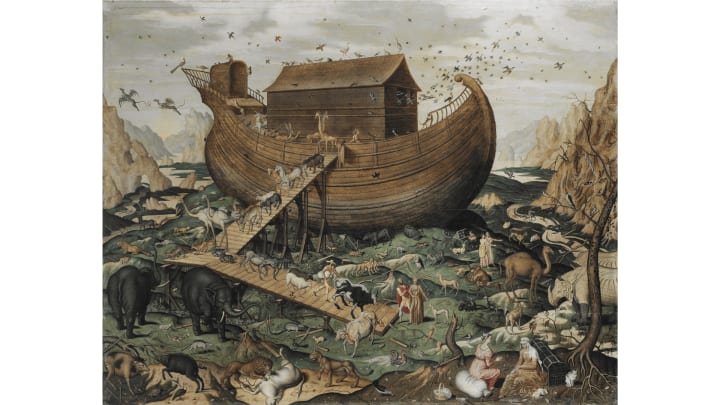
Many believe this deluge may have inspired the Biblical story of Noah’s Ark, as well as flood myths from various ancient cultures around the world. Genetic evidence also points to the Caucasus region as a key crossroads for human migration. Could it be that ancient people who fled the flooded Black Sea coast carried stories of this cataclysmic event, passing them down through generations?
The Varna Civilization: Masters of Ancient Gold

One of the most significant discoveries in the Black Sea region is the Varna Necropolis, located in Bulgaria. Unearthed in 1972, this site dates back to 4,500 BC and contains over 3,000 elaborate gold artifacts. These include masks, weapons, pendants, and intricate jewelry. The craftsmanship of these items is unparalleled for the time, making the Varna people some of the world’s first goldsmiths. The concentration of gold found here far surpasses that of other ancient civilizations, including Mesopotamia and Egypt.

The Varna culture is not the only one to have thrived in the Black Sea region. Around 1,000 years later, the Thracians emerged, known for their warlike nature and incredible gold and silver artistry. Their artifacts depict gods, heroes, and animals, crafted with dazzling precision.
What Happened to the Ancient Inhabitants?
The sudden rise of the Black Sea left many ancient settlements submerged and abandoned. Off the coast of Crimea, archaeologists discovered the ancient port city of Acra, where inhabitants left behind domestic utensils, hinting at a rapid departure. Could these ancient people have migrated to higher ground, forming the foundation of the later civilizations that emerged in the region?

While we may never fully unravel the mysteries of the Black Sea, one thing is certain: its depths continue to hold secrets that could reshape our understanding of ancient human history. Researchers and archaeologists remain committed to exploring these waters, hoping to unlock more answers about this enigmatic region. As they delve deeper into the secrets hidden beneath the waves, one can only wonder what other remarkable discoveries await.
The Black Sea, with its preserved shipwrecks, sunken settlements, and evidence of ancient civilizations, remains one of the most fascinating areas for archaeological exploration, offering glimpses into the distant past that continue to captivate the imagination.
About the Creator
Fahad Kamran
Fahad: experienced article writer with a creative writing style, passionate about a variety of topics, and committed to delivering high-quality work on time. Dedicated to continuous learning and improving my craft.
Keep reading
More stories from Fahad Kamran and writers in History and other communities.
Mastering Time.
Time is a finite resource, and we all have the same 24 hours in a day. Yet, some people seem to be able to achieve more, while others struggle to keep up with their responsibilities. The difference lies in effective time management. Learning how to manage your time efficiently can help you achieve your goals, reduce stress, and improve your overall quality of life. In this article, we will explore the key principles of time management and provide practical tips to help you optimize your time.
By Fahad Kamran3 years ago in Lifehack
Drones, Artificial Intelligence, and the Future of War
Drones, Artificial Intelligence, and the Future of War War is no longer fought only with soldiers, tanks, and fighter jets. Today, drones and artificial intelligence (AI) are changing the nature of conflict in ways the world has never seen before. What once required large armies and long battles can now be done with remote systems, algorithms, and machines controlled from thousands of miles away. This shift is redefining power, security, and the risks of future wars.
By Wings of Time about 7 hours ago in History
Choong Whan Park USC | Brand Protagonist: Positioning the Brand as the Central Agent of Meaning
Introduction: From Identifier to Protagonist Traditionally, brands were viewed as identifiers—names and symbols that distinguished one product from another. In contemporary markets, this view is no longer sufficient. Strong brands increasingly function as protagonists: central agents that drive narratives, shape experiences, and play meaningful roles in consumers’ lives. The concept of the Brand Protagonist captures this shift, emphasizing the brand’s active role in creating value, guiding consumer journeys, and anchoring identity.
By Choong Whan Parkabout 2 hours ago in History
Whiskey At Dusk
Guess the whiskey was more important to you in the end, wasn’t it? It was more than the well-being of your friends; more vital than showing up to the places you promised you would and could come to; more critical of a matter than fulfilling your damn responsibilities and getting the press off your back.
By Snarky Lisa3 days ago in Humans




Comments
There are no comments for this story
Be the first to respond and start the conversation.