
Temple of Literature
A Journey Through Vietnam's Educational Heritage

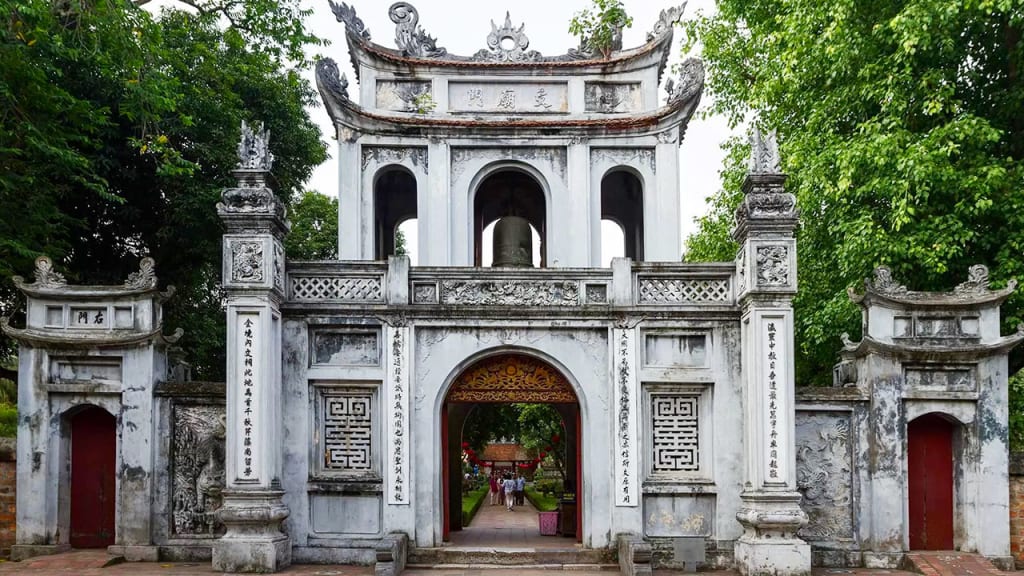
In the heart of Hanoi, Vietnam, lies a treasure trove of history, culture, and academic legacy: The Temple of Literature. Founded in 1070 by Emperor Ly Thanh Tong, this architectural masterpiece has stood tall for over seven centuries, witnessing the country's rich past and embodying its reverence for knowledge. Delve into the captivating history, intricate architecture, and profound cultural significance of the Temple of Literature, a site that continues to inspire and educate generations.
An Abode of Knowledge and History
1.1. A Glance into Vietnam's Past The Temple of Literature stands as a testament to Vietnam's enduring pursuit of learning and intellectual growth. Its establishment in 1070 marked a pivotal moment in Vietnamese history, showcasing the country's commitment to education and the dissemination of knowledge.
1.2. From Temple to University Initially devoted to the Chinese philosopher Confucius, the temple evolved into Vietnam's first university, known as the Imperial Academy. For centuries, it served as a beacon of scholarship, nurturing the minds of countless scholars and administrators who contributed to Vietnam's prosperity and cultural development.
1.3. Surviving the Test of Time Over the course of its 700-year history, the Temple of Literature has faced numerous challenges, including wars and natural disasters. Yet, it has remained resilient, undergoing restorations and renovations that have preserved its architectural beauty and historical significance.
Architectural Marvel of Hanoi
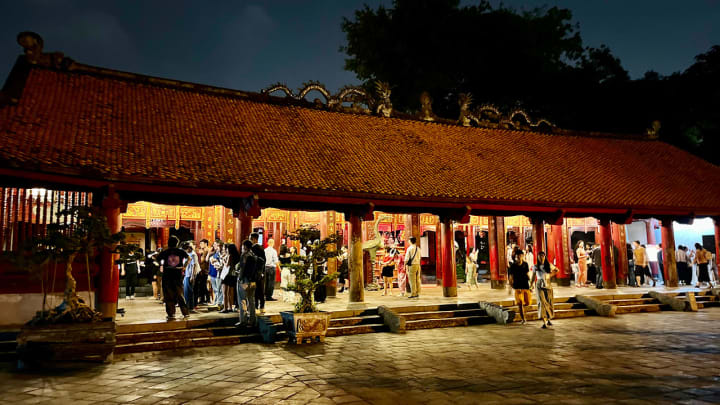
2.1. Five Courtyards of Intrigue The Temple of Literature is divided into five distinct courtyards, each possessing its own unique charm and historical significance. Visitors can wander through these courtyards, immersing themselves in the architectural grandeur and historical narratives they hold.
2.2. Embracing Confucian Principles The temple's design reflects the profound influence of Confucianism on Vietnamese culture. Its layout, structures, and decorations all embody the principles of harmony, respect, and scholarly pursuit, showcasing the temple's role as a center of Confucian learning.
2.3. Exquisite Craftsmanship and Symbolism The temple's architecture is adorned with intricate carvings, colorful paintings, and elaborate sculptures, all meticulously crafted by skilled artisans. These embellishments hold deep symbolic meanings, representing values such as virtue, perseverance, and academic excellence.
Unveiling the Temple's Treasures
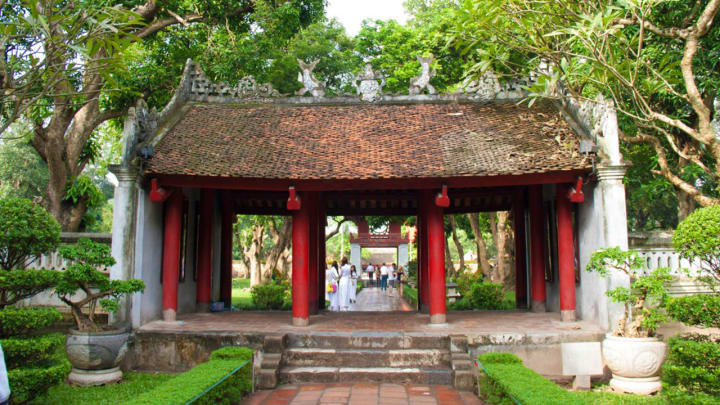
3.1. Great Middle Gate: A Gateway to Knowledge The Great Middle Gate marks the grand entrance to the Temple of Literature. Adorned with a fish figure, it symbolizes the determination and resilience required for academic success, inspiring generations of students to pursue their educational aspirations.
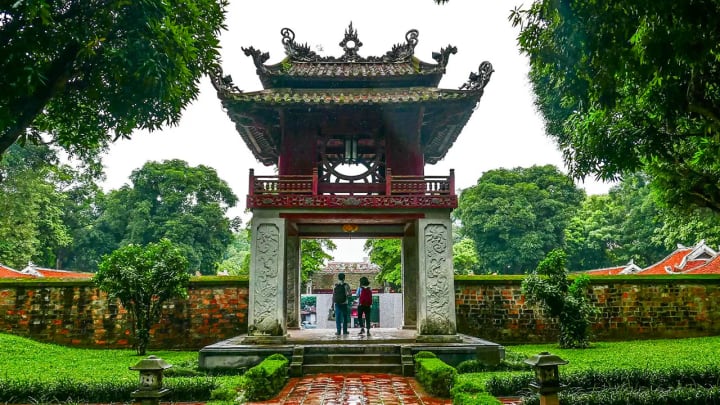
3.2. Pavilion of Constellation: A Hanoi Icon The Pavilion of Constellation, a small yet captivating structure, has become an iconic symbol of Hanoi. Featured on the 100,000 VND banknote, it represents the temple's enduring significance in Vietnamese culture and its role as a national treasure.
3.3. Well of Heavenly Clarity: Honoring Virtuous Scholars In the third courtyard lies the Well of Heavenly Clarity, a square pond surrounded by stone turtles carrying stelae. These stelae pay tribute to Confucian scholars, kings, and individuals who have made significant contributions to Vietnam's educational and cultural heritage.
Experiencing the Temple's Allure
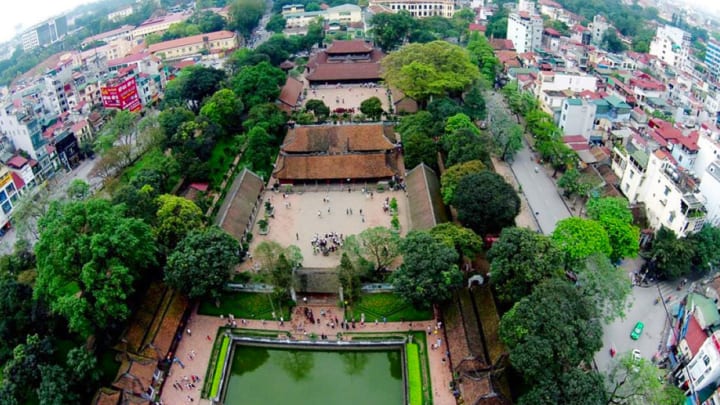
4.1. A Journey Through History Visitors to the Temple of Literature can embark on a journey through Vietnam's history, exploring the courtyards, structures, and artifacts that tell the story of the country's educational development and cultural achievements.
4.2. A Place of Reflection and Inspiration The serene atmosphere of the temple invites visitors to reflect on the importance of education, perseverance, and the pursuit of knowledge. It serves as a reminder of the enduring value of scholarship and the transformative power of learning.
4.3. A Living Legacy The Temple of Literature continues to be a living legacy, hosting cultural events, exhibitions, and educational programs that promote Vietnamese heritage and encourage lifelong learning among the community.
Exploring Neighboring Gems
5.1. Vietnam Museum of Education Just a short stroll away from the Temple of Literature lies the Vietnam Museum of Education. This museum delves into the country's educational history, showcasing artifacts, documents, and interactive exhibits that provide a comprehensive overview of Vietnam's educational journey.
5.2. Van Mieu-Quoc Tu Giam Museum The Van Mieu-Quoc Tu Giam Museum is a captivating space dedicated to preserving and showcasing the artifacts, documents, and relics of the Temple of Literature and the Imperial Academy. Visitors can gain deeper insights into the temple's history and its role in shaping Vietnam's educational landscape.
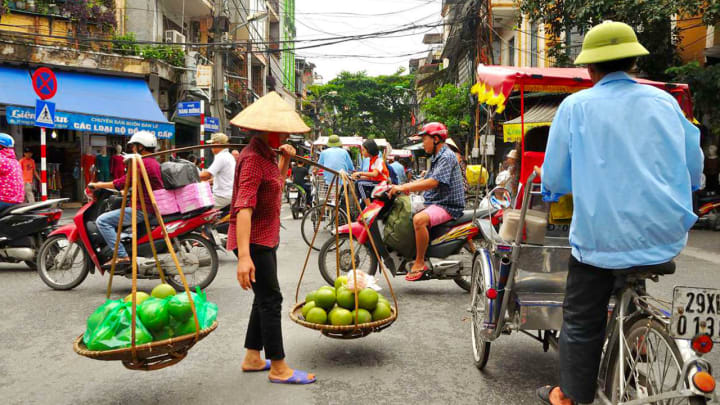
5.3. Hanoi Old Quarter A stone's throw away from the Temple of Literature is the vibrant Hanoi Old Quarter, a maze of narrow streets lined with shops, restaurants, and historical landmarks. Explore this bustling area to experience the dynamic culture and rich culinary delights of Hanoi.
FAQs
Q: What is the significance of the Temple of Literature? A: The Temple of Literature is a historical and cultural site that was established in 1070 as a tribute to Confucius and later became Vietnam's first university, known as the Imperial Academy. It represents Vietnam's profound reverence for knowledge, education, and Confucian principles.
Q: What are the key architectural features of the Temple of Literature? A: The Temple of Literature comprises five distinct courtyards, each boasting its own unique charm. Notable features include the Great Middle Gate, symbolizing academic determination, the Pavilion of Constellation, an iconic symbol of Hanoi, and the Well of Heavenly Clarity, honoring virtuous scholars and their contributions to Vietnamese history.
Q: What can visitors experience at the Temple of Literature? A: Visitors to the Temple of Literature can embark on a historical journey through Vietnam's educational heritage, exploring the courtyards, structures, and artifacts that tell the story of the country's educational development and cultural achievements. The serene atmosphere invites reflection and inspiration, while cultural events, exhibitions, and educational programs promote Vietnamese heritage and lifelong learning.
Q: Are there any nearby attractions worth visiting? A: Yes, several nearby attractions complement the Temple of Literature experience. The Vietnam Museum of Education provides insights into the country's educational history, while the Van Mieu-Quoc Tu Giam Museum showcases artifacts and relics from the temple and the Imperial Academy. Additionally, the vibrant Hanoi Old Quarter, located just steps away, offers a bustling atmosphere, shopping opportunities, and local culinary delights.
Q: What is the best time to visit the Temple of Literature? A: The Temple of Literature is open daily from 8 am to 5 pm, offering a welcoming environment for visitors to explore its historical and cultural significance. However, to avoid crowds and ensure a tranquil experience, consider visiting during the early morning or late afternoon hours.
Conclusion
The Temple of Literature is a captivating testament to Vietnam's rich history, educational traditions, and enduring reverence for knowledge. Its architectural splendor, historical artifacts, and serene atmosphere provide visitors with a journey through time, inspiring reflection, and igniting a passion for learning. As a symbol of Vietnam's commitment to education and cultural preservation, the Temple of Literature continues to be a beacon of inspiration for generations to come.
Key Takeaways:
The Temple of Literature stands as a testament to Vietnam's enduring pursuit of knowledge and intellectual growth.
Its architectural marvel, with five distinct courtyards, showcases Confucian principles and exquisite craftsmanship.
The temple's structures, such as the Great Middle Gate, Pavilion of Constellation, and Well of Heavenly Clarity, hold profound historical and symbolic significance.
Visitors can immerse themselves in Vietnam's history, experience a tranquil atmosphere, and engage with educational and cultural programs at the temple.
The Temple of Literature serves as a reminder of the transformative power of education and the enduring value of scholarship.
About the Creator
Hanoi Old Quarter
The Hanoi Old Quarter (Vietnamese: Phố cổ Hà Nội) is the name commonly given to the historical civic urban core of Hanoi
Keep reading
More stories from writers in History and other communities.
The island of echoes
The Island of Echoes Akira woke to the sound of waves crashing against the shore, the salty tang of sea air filling his lungs. He stumbled to his feet, scanning the horizon for any sign of civilization. Nothing but endless blue stretched out before him. The storm that had ravaged his small sailboat seemed to have washed him ashore on a deserted island.
By Talhamuhammad2 days ago in History
The General’s Tooth
History is often told through the polished lens of oil paintings and marble statues. We see George Washington as the stoic father of a nation, his jaw set in a firm, resolute line. But in the winter of 1783, as the American Revolution neared its end, that jaw was a site of excruciating, rotting agony.
By LUNA EDITH6 days ago in History
🅼🅸🅳🅽🅸🅶🅷🆃 🆂🅽🅰🅲🅺🆂
"It's 10 in Tuscon! We all know what that means... It's Time for Midnight Snacks with your man, Gerald Gee! Ready to spend the night together? Me too! I'm full of snacks and can't wait to regurgitate them all back into your hungry ears. Crack a brew! Pop some corn! Anything to get ready for one hell of a show where the talk maybe cheap but the words cut deep...
By Lamar Wiggins6 days ago in Fiction




Comments
There are no comments for this story
Be the first to respond and start the conversation.