
Tea tells a story spanning thousands of years
Tea tells a story spanning thousands of years, imbued with the weight and spirit of time.
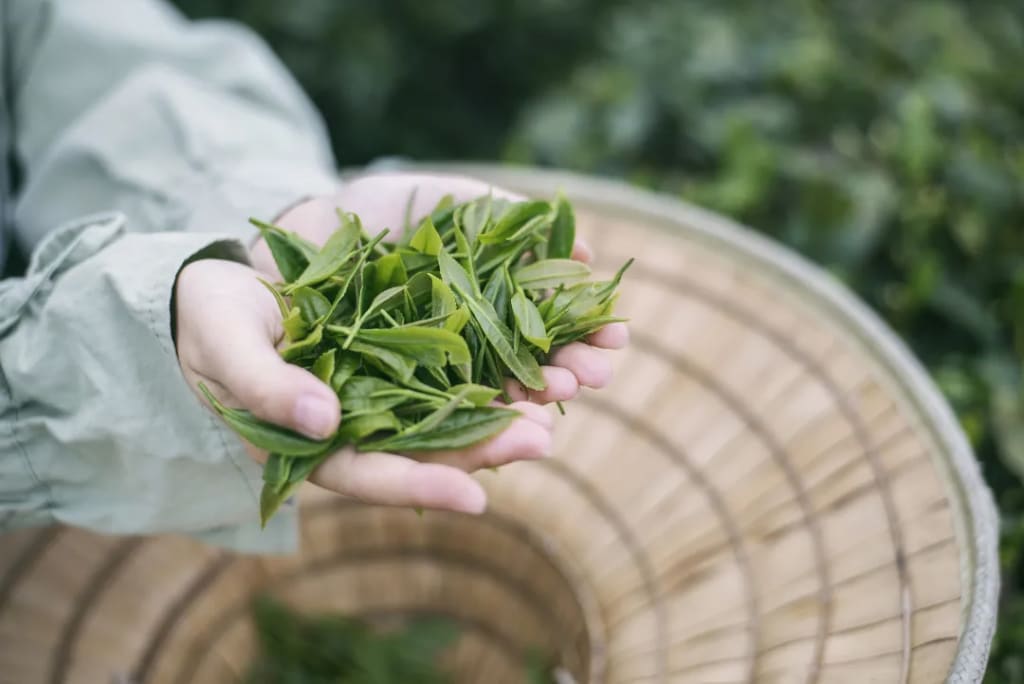
China is the birthplace of tea, and tea embodies the essence of China. China's 5,000-year history is also the history of the emergence and development of Chinese tea culture. Many people around the world drink tea, but the Chinese nation is arguably the most knowledgeable about tea culture. After all, this is the origin and home of tea culture, and home to many tea drinkers, tea lovers, and tea connoisseurs. As one of the seven necessities of life (firewood, rice, oil, salt, soy sauce, vinegar, and tea), tea drinking is extremely common in China. In ancient China, tea was always closely intertwined with people's lives. After the publication of Lu Yu's *The Classic of Tea* during the Tang Dynasty, Chinese tea culture officially entered the historical stage, permeating various fields such as poetry, painting, calligraphy, religion, and medicine, becoming an inseparable part of the material and cultural life of the Chinese nation. Tea culture refers to the cultural characteristics formed during tea drinking activities, including tea ceremony, tea virtues, tea spirit, tea couplets, tea books, tea utensils, tea manuals, tea poems, tea paintings, tea studies, tea stories, tea art, and so on. China is the birthplace of tea, and tea drinking in China is said to have begun in the Shennong era, at least 4,700 years ago. Even now, the Han Chinese still have the custom of using tea as a form of gift-giving. Today, tea culture continues to evolve and develop, with the Way of Tea and tea art being of paramount importance.
I. The Core of Tea Culture is the Way of Tea The spirit of the Way of Tea is the core of tea culture, its soul, and the highest principle guiding tea culture activities. The Way of Tea, based on a specific environment and atmosphere, centers on the processes of tasting, placing, preparing, and serving tea; it is embodied in language, actions, utensils, and decorations; its essence lies in the thoughts and spiritual pursuits during the tea-drinking process; it is a complete set of etiquette for tea gatherings and a comprehensive reflection of personal cultivation; it is a comprehensive cultural activity and unique custom related to self-cultivation, learning etiquette, and social interaction.
The tea ceremony possesses certain characteristics of its time and national identity, encompassing various aspects of art, morality, philosophy, religion, and culture:
(I) Timeliness
1. Lu Yu of the Tang Dynasty emphasized the humanistic spirit of "refined conduct and frugal virtue"—focusing on cooking conditions and methods, pursuing a tranquil and comfortable elegance;
2. Buddhist tea ceremony emphasizes peace and tranquility, with serenity being a shared cultural sentiment in tea tasting and meditation;
3. Court tea ceremony was rich and colorful, with a particularly strong political character;
4. Folk tea ceremony, spreading and flourishing from south to north, led to a multi-polar development of the tea ceremony, possessing profound significance.
(II) National Identity
1. The Tang Dynasty tea ceremony was primarily composed of literati. By the Song Dynasty, the literati tea ceremony had become more systematic, with basic procedures such as roasting tea, sifting tea, straining tea, waiting for the water temperature, heating the lid, and whisking tea; the pursuit was to use tea to inspire moral character and cultivate a refined and elegant demeanor. Court tea ceremony emphasized exquisite tea leaves, superb tea-making techniques, elaborate etiquette, and a clear hierarchy, aiming to educate the people and promote harmony. Among the common people, there were also tea competitions characterized by vying for superior aroma and flavor, and tea tasting where the tea's ripples and veins resembled objects.
2. Zhu Quan of the Ming Dynasty reformed the traditional tea ceremony, adopting new methods for brewing tea and using new tea utensils, thus establishing his own unique style. He revered Daoist thought, believing that tea evoked "the nature of things," and that drinkers should "purify their minds and spirits" and "participate in the workings of nature." "Connecting with the Immortals" pursues a state of spiritual enlightenment and returning to nature.
3. During the Ming and Qing dynasties, Yixing teaware flourished, and tea drinking methods evolved from boiling to steeping. The tea ceremony procedures simplified, but the pursuit of excellent water, teaware, and tea leaves remained.
(III) Cultural Significance
1. Based on Confucian principles of governance;
2. Relying on Buddhist principles of detachment and integrity;
3. Overflowing with Taoist romantic ideals;
4. Advocating through tea tasting: purity, frugality, integrity, truth-seeking, and beauty.
(IV) The spiritual characteristics of Chinese tea ceremony are mainly manifested in four aspects:
First, the Way of Harmony: Harmony is the main connotation of the Doctrine of the Mean;
Second, the Nature of Nature: Nature... The *Tao Te Ching* states: "Man follows the Earth, Earth follows Heaven, Heaven follows the Tao, and the Tao follows Nature."
Thirdly, there is the beauty of purity and elegance: "Purity" can refer to the material environment or the purity of one's character; a person of high moral character drinks pure tea in a tranquil setting. "Elegance" can be appreciated by both the refined and the common, and can also imply refinement and refinement.
Fourthly, there is the principle of propriety: The *Analects* states: "Do not look at what is contrary to propriety, do not listen to what is contrary to propriety, do not speak what is contrary to propriety, do not do what is contrary to propriety."
II. The focus of tea culture is tea art.
(I) The development process of tea art:
1. In the Tang Dynasty, the characters "art" and "tea" became linked; Lu Yu's *The Classic of Tea*;
2. In the Song Dynasty, "art" became associated with brewing and drinking tea;
3. In the Ming Dynasty, the brewing method... The Formation and Development of Tea Art;
4. Since the Qing Dynasty, the Gongfu tea traditions of Chaoshan in Guangdong and Zhangzhou and Quanzhou in Fujian;
5. In the 1970s, Taiwan began using the term "tea art," and it has been widely used ever since.
(II) Tea Art encompasses three aspects:
1. Tea art includes both brewing and drinking tea.
2. Tea art includes the techniques of brewing and drinking tea:
1) Brewing techniques include tea identification, selection of teaware, and selection of water for brewing;
2) Drinking techniques involve tasting and appreciating the tea soup, experiencing its color, aroma, flavor, shape, and aftertaste. This includes not only personal enjoyment but also the basic techniques of serving tea to guests.
3 Tea art also includes the art of brewing and drinking tea.
Art and technique are closely related, but art transcends technique; technique is basic and superficial; art belongs to the realm of aesthetics. Tea art belongs to practical aesthetics, lifestyle aesthetics, and leisure aesthetics. Tea art includes: the beauty of the environment, the beauty of the water quality, the beauty of the tea leaves, the beauty of the utensils, and the beauty of art itself. The beauty of the art of brewing tea is the unity of the beauty of the brewer's appearance and inner beauty, the unity of appearance, knowledge, demeanor, and inner spirit.
Generally speaking, the social functions of tea culture have three aspects:
First, cultivating personal character and refining one's aspirations through tea:
1. The tea ceremony embodies qualities such as "purity," "tranquility," "integrity," "beauty," "stillness," "frugality," "cleanliness," and "nature."
2. Emphasizing personal self-cultivation.
3. Enhancing personal moral character and cultural refinement through tea art activities.
Second, using tea to honor guests and harmonize interpersonal relationships:
1. The tea ceremony embodies principles such as "harmony," "respect," "integration," "reason," and "ethics";
2. It emphasizes the adjustment of interpersonal relationships;
3. It requires honest and sincere conduct, respect for others and love for the people, resolving conflicts, and promoting unity to contribute to social stability.
Third, using tea to promote morality and purify social atmosphere:
1. Tea culture can relax people's tense minds and balance their unbalanced psychology;
2. The Chinese tea ceremony facilitates the establishment of new interpersonal relationships based on harmony, mutual respect, and mutual care, thus contributing to the purification of social atmosphere.
About the Creator
Keep reading
More stories from water king and writers in History and other communities.
dream
I am a swordsman, my swordsmanship unparalleled. I constantly duel with masters of all kinds, and have never lost a single battle. Therefore, I enjoy a high reputation in the martial arts world. Yet, I've always had a real but strange feeling—I feel like I don't belong to this world!
By water king3 months ago in Fiction
Gold-Guarding Griffins
Imagine standing at the foot of a vast mountain range, the air thin and cold, the peaks disappearing into cloud. Somewhere up there, according to the people who told this story for generations, something extraordinary waited. Not just gold.
By CurlsAndCommas4 days ago in History


Comments
There are no comments for this story
Be the first to respond and start the conversation.