
Shajar al-Durr: The Story of a Powerful Queen
The Story of a Powerful Queen
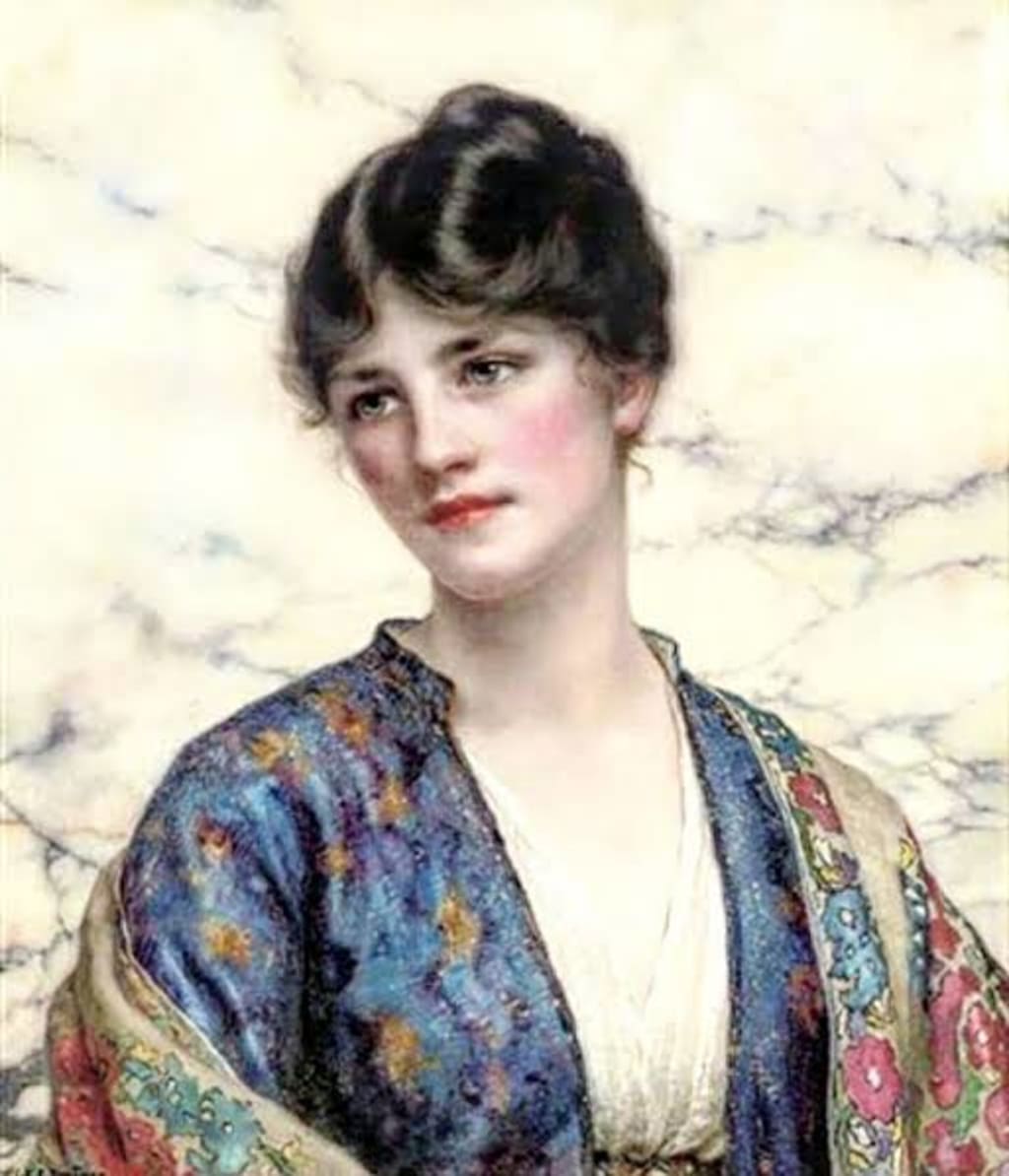
Shajar al-Durr: The Story of a Powerful Queen
Shajar al-Durr, a prominent historical figure in medieval Egypt, was born in the mid-13th century in Damascus. She is best known as the wife of Sultan al-Malik al-Salih Ayyub and for her unique role in the history of Egypt and the Muslim world.
Early Life and Marriage
Shajar al-Durr’s early life remains somewhat obscure, but she is believed to have been of Turkish descent. She was initially a slave and was later freed and married to Sultan al-Malik al-Salih Ayyub, a member of the Ayyubid dynasty. Their marriage was not just one of romance; it was also a strategic alliance that strengthened the sultan’s political power. Shajar al-Durr became a trusted companion to al-Salih, and together they had a son, who would later be a key figure in the royal lineage.
The Death of al-Malik al-Salih
The turning point in Shajar al-Durr’s life came with the death of her husband in 1249 during the Seventh Crusade, led by King Louis IX of France. Al-Salih’s death left a power vacuum in Egypt, and Shajar al-Durr faced the daunting challenge of maintaining stability in a kingdom threatened by external forces. In a remarkable move, she chose to conceal the news of her husband’s death from the military and the court, fearing that revealing it would lead to chaos and a loss of morale.
Ascension to Power
Demonstrating exceptional political acumen, Shajar al-Durr took control of the situation. She called for an emergency assembly of the military leaders and presented herself as the new ruler of Egypt. Her leadership during this critical time was unprecedented; she became one of the few women in history to ascend to such a position of power. As the de facto queen, she rallied the troops and sought to unify the kingdom against the French invasion. Her determination and courage galvanized the military, leading to a strong defense against the Crusaders.
The Battle of Mansourah
One of the most significant moments of Shajar al-Durr’s reign was the Battle of Mansourah in 1250. Under her leadership, the Egyptian forces achieved a decisive victory against Louis IX’s army. This battle was a turning point, significantly weakening the Crusaders’ position in the region. Shajar al-Durr’s strategic insights and her ability to inspire the troops were crucial in turning the tide of the conflict.
Marriage to Aybak and Downfall
Despite her successes, Shajar al-Durr faced mounting political pressures. In an effort to consolidate her power and gain support, she married one of her military commanders, Aybak, who later became the Sultan of Egypt. This marriage was politically motivated, but it also led to complications in her rule. Aybak, initially a supporter, eventually turned against her, leading to her downfall.
In 1250, amid political intrigues and power struggles, Shajar al-Durr was forced to relinquish her throne. The exact circumstances of her death remain unclear, but it is widely believed that she was murdered by Aybak, who wanted to secure his position as sultan without her influence.
Legacy
Shajar al-Durr’s story is a remarkable tale of resilience and strength. She defied the gender norms of her time and became a symbol of female power in a predominantly male-dominated society. Her reign, albeit short, left a lasting impact on Egyptian history and remains a subject of fascination for historians and scholars. Shajar al-Durr's legacy is a testament to her intelligence, courage, and determination in a tumultuous period, inspiring future generations to acknowledge the strength of women in leadership roles.
About the Creator
Keep reading
More stories from Ahmed Mohamed and writers in History and other communities.
The Whispering Shadows
The Whispering Shadows In the small, isolated town of Eldridge Hollow, a thick mist often rolled in from the surrounding woods, enveloping the streets in an eerie silence. The townsfolk spoke in hushed tones about the old Whitmore House, a decaying mansion perched on the edge of the forest. Legends surrounded the house, whispering of shadows that moved on their own and eerie voices that echoed through the halls at night.
By Ahmed Mohamedabout a year ago in Horror
Honoring a Pioneer: The Dr. Gladys West Foundation and Its Mission to Inspire Future Innovators
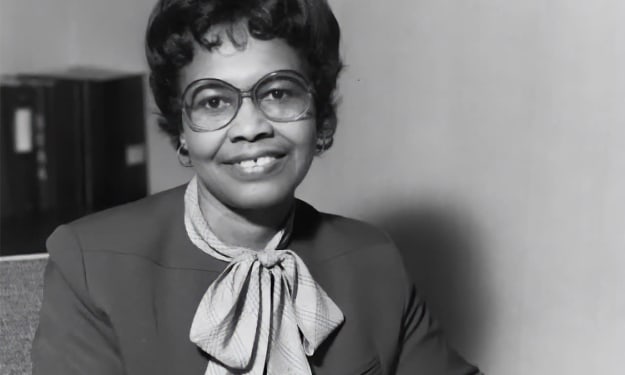
We live in a world where GPS is everywhere, from our phones telling us where to turn to ambulances finding the fastest route. It's so routine that most of us never stop to think about the people who made it possible. But one of the key figures behind it was Dr. Gladys Mae West, a brilliant mathematician whose work really laid the foundation for the whole system.
By Sophie Bullocka day ago in History
So You Decided To Become a Nurse Practitioner:
So you decided to become an "Advanced Practice" nurse. Congratulations!... is what I would say if this was a good idea. Grad school? In this economy? What were you thinking? Likely it was something along the lines of either 1) “I've seen these other chucklefucks do it— Why can't I?” or even 2) “I've got a nice career, I should shake it up. I miss feeling like I have no clue what I'm doing.”
By Sandor Szabo8 days ago in Fiction



Comments
There are no comments for this story
Be the first to respond and start the conversation.