
Russia: The First Country to Acknowledge the New Afghanistan
How and why Russia became the first major power to acknowledge Afghanistan’s new leadership.

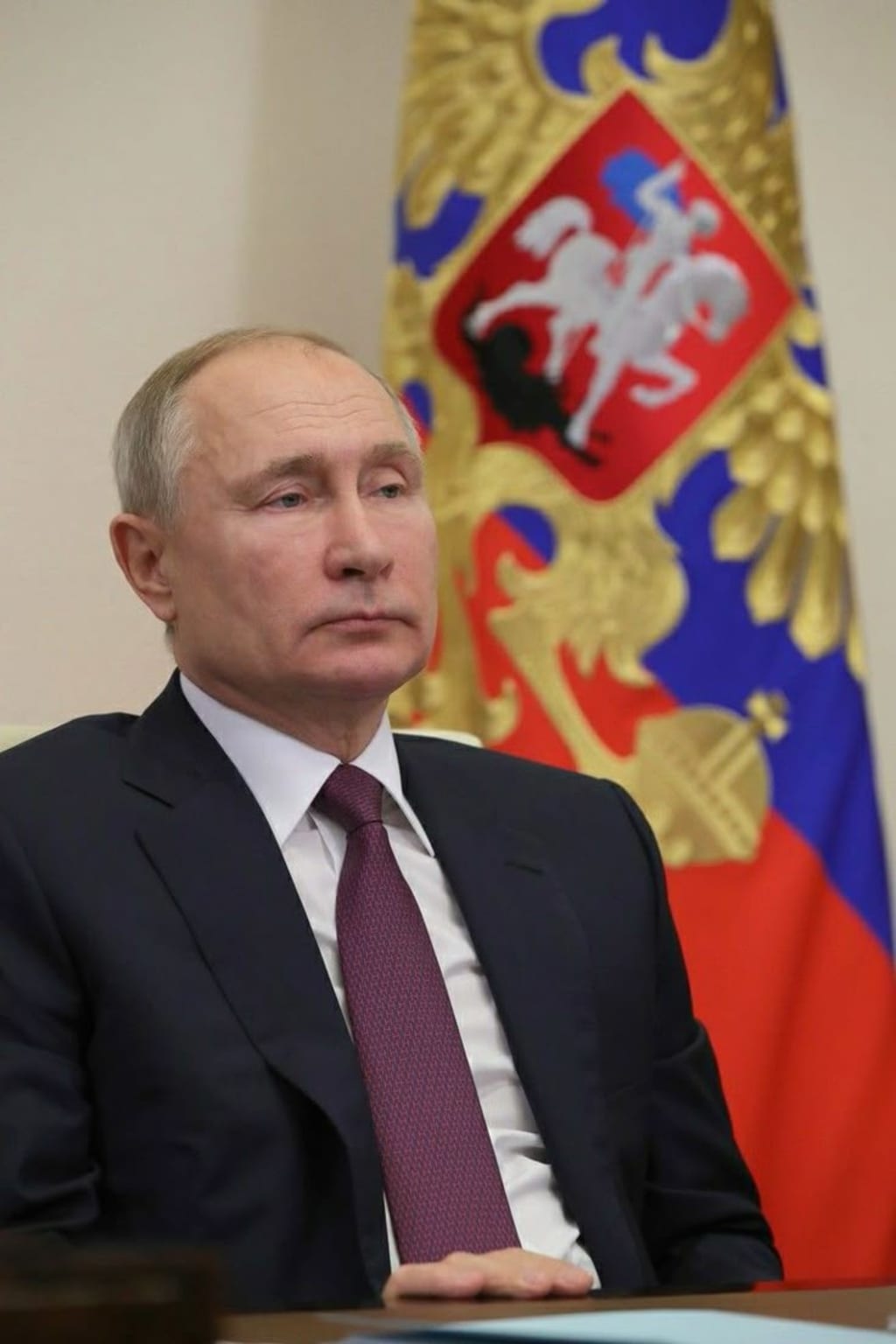
The fall of Kabul in August 2021 and the return of the Taliban to power in Afghanistan sent shockwaves around the world. While most countries adopted a wait-and-see approach or condemned the regime, Russia stood out by quickly opening channels of communication and showing signs of recognition. Though it stopped short of full diplomatic recognition, Russia became one of the first major powers to engage openly with Afghanistan's new leadership. This move was not merely symbolic—it reflected deeper geopolitical strategy, historical context, and regional priorities.
A Historic Shift in Recognition
Russia’s early acknowledgment of the Taliban-led government in Afghanistan marked a significant shift in global diplomacy. While Western nations were hesitant, citing human rights concerns and terrorism risks, Russia maintained its embassy in Kabul, engaged in direct talks with Taliban leaders, and hosted Afghan representatives in Moscow.
Though it did not officially "recognize" the Taliban government in the formal sense, Russia’s actions made it one of the first countries to treat the new Afghan authorities as de facto rulers. In diplomacy, maintaining open dialogue and presence can be a powerful form of implicit recognition, and Russia used this to signal its intent to play a role in Afghanistan’s future.
Understanding the Political Context
To understand Russia’s approach, it’s important to examine the broader context. After the chaotic U.S. withdrawal, Afghanistan was left in political and economic turmoil. With the Taliban in control, many feared a return to harsh rule, international isolation, and potential instability spilling across borders.
Russia, along with regional players like China, Iran, and Pakistan, had to make pragmatic decisions. Instead of isolating Afghanistan and risking further chaos, Russia chose engagement. This strategy was not based on approval of the Taliban’s ideology but rather on securing its own regional interests.
Motives Behind Russia’s Early Recognition
Russia's decision was driven by a mix of strategic, political, and security motives. Firstly, Afghanistan borders several Central Asian countries that are part of Russia's sphere of influence. Instability in Afghanistan could lead to the spread of terrorism, drug trafficking, and refugee flows—all of which pose threats to Russian national security.
Secondly, by acknowledging the new Afghan leadership early, Russia positioned itself as a key regional actor capable of mediating and influencing developments. This proactive move allowed Russia to fill the vacuum left by the U.S. and increase its diplomatic leverage.
What Recognition Means in International Relations
In international law, "recognition" can be de jure (formal and legal) or de facto (practical and unofficial). Russia has not granted de jure recognition to the Taliban government, but by maintaining diplomatic relations, allowing Taliban officials into international forums, and advocating for practical cooperation, it has extended de facto recognition.
This distinction is crucial. Russia can engage with the Taliban, influence their behavior, and ensure regional stability—all without being seen as formally endorsing their rule. This approach allows Russia to stay flexible while advancing its interests.
Balancing Interests: Dialogue with the Taliban
Russia's relationship with the Taliban has evolved over time. During the Soviet occupation of Afghanistan (1979–1989), the Taliban’s predecessors were part of the mujahideen who fought against Soviet forces. But in recent years, Russia has chosen realpolitik over ideology.
Recognizing the Taliban as the dominant power in Afghanistan, Russia has hosted several rounds of talks in Moscow aimed at stabilizing the region. It has urged the Taliban to form an inclusive government and uphold basic human rights, especially for women. This shows that while Russia is pragmatic, it also seeks to shape the new regime’s policies to prevent regional fallout.
Regional Power Play: Countering the West
Russia’s early acknowledgment of the Taliban is also part of a broader strategy to counter Western influence, particularly that of the United States and NATO. The U.S. withdrawal from Afghanistan was widely seen as a geopolitical setback, and Russia moved swiftly to fill that power vacuum.
By positioning itself as a mediator and power broker in Afghanistan, Russia enhances its global image and increases its influence in Central and South Asia. It also aligns itself with China and Iran, who similarly favor engagement with the Taliban for strategic reasons.
This coalition of interests represents a shift in the global power balance, with Russia asserting itself in areas where the West has withdrawn or weakened.
Future Implications for Afghanistan and Russia
Russia’s early engagement with the Taliban may yield both risks and rewards. On one hand, it could help stabilize Afghanistan, protect Russian allies in Central Asia, and give Moscow a stronger voice in regional affairs. On the other hand, it carries reputational risks—particularly if the Taliban fail to moderate their rule or if Afghanistan becomes a hub for extremism once again.
For Afghanistan, Russia’s recognition—implicit though it may be—offers a crucial diplomatic lifeline. It opens the door to international dialogue, economic aid, and regional cooperation, all of which are vital for Afghanistan’s future.
Conclusion: A Strategic Diplomatic Move
Russia’s decision to be one of the first countries to acknowledge Afghanistan’s new leadership is more than a diplomatic gesture—it is a calculated move grounded in security concerns, regional influence, and global positioning. While others hesitated, Russia acted with a clear understanding of its interests and the regional dynamics at play. In doing so, it reasserted itself as a key player in shaping the future of Afghanistan—and by extension, the balance of power in Asia.
About the Creator
Hasnain khan
"Exploring the world through words. Join me as I unravel fascinating stories, share insightful perspectives, and dive into the depths of curiosity."
Keep reading
More stories from Hasnain khan and writers in History and other communities.
The Value of Time
Time is one of the most valuable resources in our lives. Unlike money or material things, once time is gone, it cannot be regained. Everyone has the same 24 hours each day, yet some people manage to achieve great success while others struggle to keep up with daily tasks. The difference often lies in how they manage their time. Time management is not about working harder, but working smarter. It means organizing your day in a way that helps you reach your goals while also maintaining a healthy balance in life.
By Hasnain khan7 months ago in History
No ICE, No KKK, No Fascist USA
"I don't 'do' politics." Politics will do you, regardless. Watching from the sidelines for the last year I can see far too many similarities in the way Trump's ICE Gestapo is to Nazi Germany. Considering the United States just invaded Venezuela and kidnapped their President and his wife I would say we are there.
By Lyvia Jack5 days ago in History
3 Moments When Reality Accidentally Became a Horror Movie
Horror movies usually rely on a simple agreement with the audience: this could never really happen. Ghosts follow rules, monsters have weaknesses, and there’s always a clear point where reality hands the story over to fiction. Real life, unfortunately, does not care about narrative structure, logic, or closure.
By Enoch Sagini3 days ago in History



Comments
There are no comments for this story
Be the first to respond and start the conversation.