
Pir Zulfiqar Ahmad Naqshbandi: A Life of Spiritual Guidance and Inner Reform
The inspiring journey of a renowned Islamic scholar whose teachings on Tasawwuf and self‑purification impacted millions worldwide.
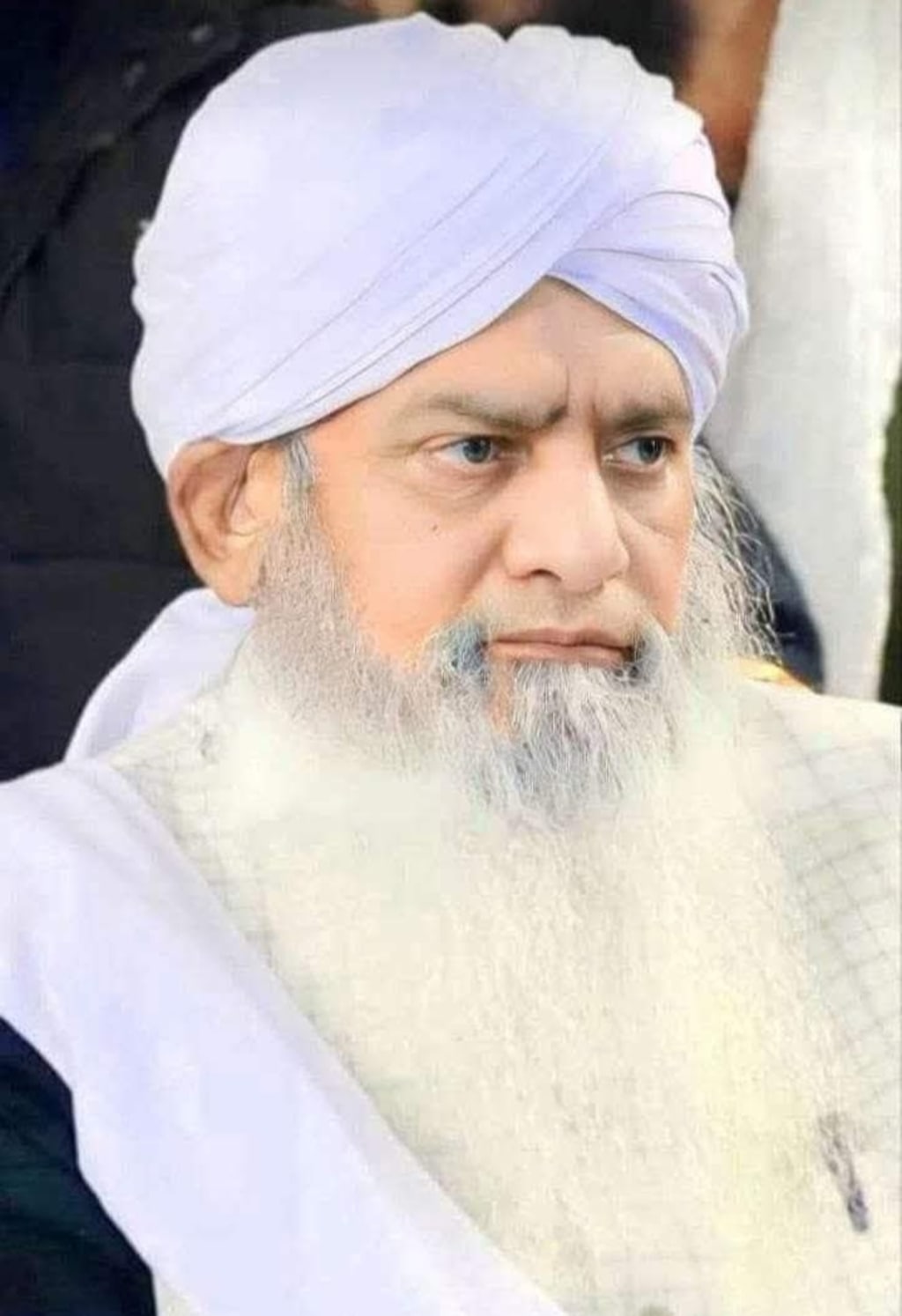
Pir Zulfiqar Ahmad Naqshbandi was a distinguished Islamic scholar and Sufi spiritual leader whose life embodied devotion to faith, moral reform, and deep spiritual teaching. Born on April 1, 1953, in Jhang, Punjab, Pakistan, he emerged as one of the most respected figures in the Naqshbandi Mujaddidi Sufi order—a tradition emphasizing inner purification (tazkiyah), discipline, and heartfelt devotion rooted in the Quran and the Sunnah.
For decades, his lectures, books, and mentoring transformed the spiritual lives of countless individuals across South Asia, the Middle East, Europe, Africa, and beyond. His teachings continue to inspire seekers of spiritual depth and ethical living.
arly Life and Turning Toward Spirituality
Pir Zulfiqar Ahmad Naqshbandi was born in Jhang, a historic city in Pakistan’s Punjab province, on April 1, 1953. Though he initially trained and worked in secular fields, his heart was drawn to the inner dimensions of Islam. Over time, he embraced the Naqshbandi Mujaddidi Sufi path—one of the most respected spiritual lineages (silsilas) in Sunni Islam—known for its focus on silent remembrance (zikr), self‑discipline, and moral elevation.
He received formal authorization (ijazah) in the Naqshbandi spiritual chain, marking his transition from student to spiritual guide and mentor. His personal journey was not academic alone; he embodied what he taught, emphasizing that true spirituality must be lived, not merely studied.
aching, Bayans, and Spiritual Outreach
One of Pir Naqshbandi’s defining contributions was his ability to articulate profound spiritual truths in a language accessible to both scholars and lay seekers alike. His bayans (lectures) were centered on key themes such as:
Inner purification (tazkiyah): the process of cleansing the heart from spiritual maladies.
Controlling the ego (nafs) and avoiding sinful behavior.
Gratitude (shukr) and self‑reflection as daily spiritual practices.
Balanced spiritual life grounded in both shari’ah (Islamic law) and suluk (spiritual pathway).
His talks reached millions via digital platforms in later years, enabling younger generations and international audiences to access his wisdom in Urdu, English, and other languages.
amia Mahad‑ul‑Faqeer Al‑Islami: A Center for Knowledge and Transformation
Among Pir Naqshbandi’s most significant achievements was the founding of Jamia Mahad‑ul‑Faqeer Al‑Islami in Jhang. This institution became far more than a traditional madrasa; it was a spiritual academy and moral training center where students immersed themselves in both Islamic sciences and the deeper spiritual disciplines of tasawwuf.
The curriculum integrated:
Classical Islamic jurisprudence (Fiqh),
Quranic studies,
Hadith sciences,
Spiritual training (suluk), and
Ethical character development.
Many alumni describe their time at Mahad‑ul‑Faqeer as transformative—an experience that shaped not only their knowledge but their character and inner lives.
ooks, Teachings, and Written Legacy
Pir Naqshbandi was a prolific writer. He authored more than 100 books covering a wide range of topics—including spiritual ethics, self‑reformation, Islamic living, and personal morality. Among his works are:
Tasawwuf wa Sulook (Spiritual Path and Conduct)
Hayat‑e‑Habib (Life of the Beloved)
Love for Allah (English publication)
Fiqh ke Buniyadi Usul (Fundamental Principles of Islamic Jurisprudence)
Gunahon se Toba Kijiyay (Repentance from Sins)
Quran‑e‑Majeed ke Adbi Asrar o Ramooz (Literary Mysteries of the Holy Quran)
His writings blend deep scriptural insight with practical guidance, helping readers apply spiritual and moral principles in everyday life. Many of his books have been translated into different languages, extending his impact beyond linguistic boundaries.
lobal Influence and Digital Presence
In later decades, Pir Naqshbandi’s influence expanded dramatically through online platforms. His recorded bayans resonated with millions of viewers across continents. Followers appreciated his emphasis on personal reform, humility, and disciplined spiritual growth—qualities that distinguish Naqshbandi teaching in a world often distracted by superficial religiosity.
His guidance attracted disciples not only from Pakistan and South Asia but also from the Middle East, Africa, Europe, and beyond, where his message offered solace and direction to those seeking a deeper connection with faith.
inal Years and Passing
After a long life of service, Pir Zulfiqar Ahmad Naqshbandi passed away on 14 December 2025 at the age of 72. His death was confirmed by close associates and disciples, including Sheikh Bilal, reflecting the deep personal and collective loss felt by his followers.
Funeral prayers were held at Jamia Mahad‑ul‑Faqeer Al‑Islami in Jhang, where generations of students and spiritual seekers had gathered over the years. Tributes poured in from scholars, students, and spiritual communities across Pakistan and internationally, honoring his lifelong dedication to Islamic scholarship and spiritual reform.
Scholars described him as a guiding light in the fields of inner reformation (islah‑e‑nafs), moral refinement, and sincere devotion to Allah—one whose contributions will continue to guide seekers for years to come.
egacy and Enduring Impact
Pir Zulfiqar Ahmad Naqshbandi’s life was an embodiment of service — blending deep scholarship with heartfelt spirituality. His teachings continue to shape the perspectives of seekers striving for inner peace, moral excellence, and a closer relationship with Allah.
Through his books, institutions, digital lectures, and disciples spread around the globe, his spirit of self‑purification, discipline, and spiritual balance lives on. His legacy stands as a reminder that true spiritual growth comes not only from knowledge but from sincere practice, humility, and heart‑felt devotion.
About the Creator
Keep reading
More stories from Zahid Hussain and writers in History and other communities.
When One Star Trek Episode Beats Tarantino: Why Thoughtful Science Fiction Still Wins
In the vast silence of space, a starship glides beneath the pale glow of the Moon. Earth curves gently below, fragile and blue. The image feels familiar, almost comforting—yet it carries a deeper meaning. It represents not just a television franchise, but a philosophy. A way of thinking about humanity, power, ethics, and the future. This is Star Trek, and more than half a century after its birth, it still manages to do something extraordinary: sometimes, a single episode says more than an entire blockbuster film.
By Zahid Hussain18 days ago in History
Who Replaces the United Nations If It Fails?
Who Replaces the United Nations If It Fails? For more than seventy years, the United Nations has served as the world’s main platform for diplomacy, peacekeeping, and global cooperation. Despite its weaknesses, it remains the only institution where nearly every country has a seat at the table. But as trust in the UN declines and major powers increasingly act alone, an uncomfortable question is being asked more often: if the UN fails, who—or what—takes its place?
By Wings of Time about 9 hours ago in History
Where the Pulse Ends
© 2026 Sai Marie Johnson The humidity in the city didn’t just hang; it leaned. It was a thick, stagnant soup of diesel exhaust, ozone, and the metallic tang of blood that drifted from the "Compliance Zones." Joe sat in his rusted sedan, his hands resting loosely on the steering wheel. He wasn't gripping it. He wasn't angry. Anger was a chemical spike, a biological inefficiency. Joe was simply... focused.
By Sai Marie Johnson4 days ago in History


Comments
There are no comments for this story
Be the first to respond and start the conversation.