
Pandavas journey to exile
Pandava vanavasa gamanam
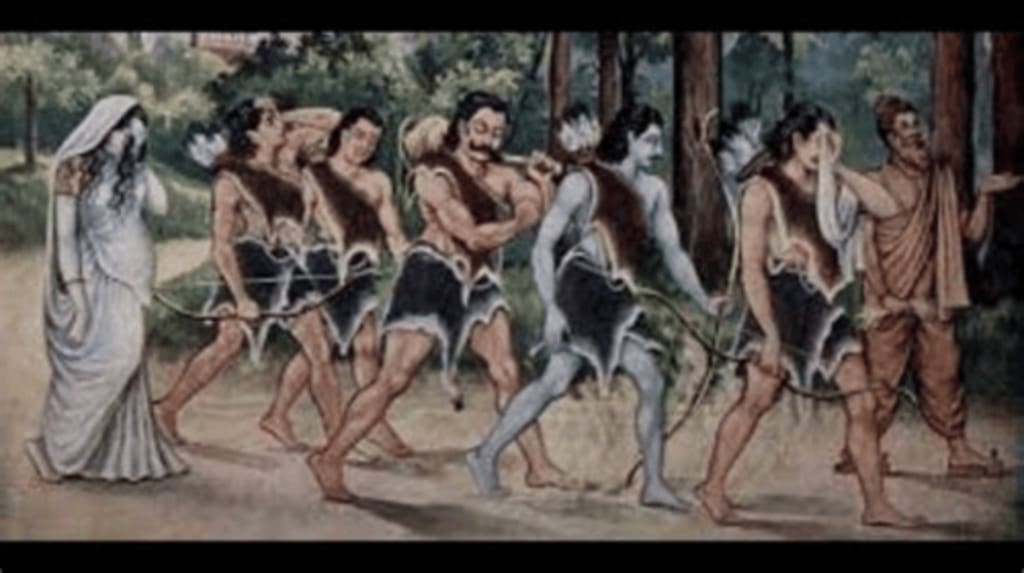
After the humiliating loss in the game of dice and the attempted disrobing of Draupadi, the Pandavas, deeply wronged yet bound by their commitment to dharma, accepted their fate of exile. The terms of the game, manipulated by Shakuni and Duryodhana, stipulated that the Pandavas would be exiled to the forest for twelve years, followed by a thirteenth year of incognito life. If they were discovered during the thirteenth year, they would have to repeat the entire period of exile. This period in exile became a time of introspection, growth, and preparation for the challenges that lay ahead.
The Pandavas’ Departure from Hastinapura
After losing everything in the game of dice, Yudhishthira and his brothers were forced to accept the harsh terms of their exile. Despite the injustice they had suffered, they chose to face their punishment rather than breach their commitment to dharma. Draupadi, too, stood by her husbands, her strength and resilience undiminished by the insults and humiliation she had endured. Together, the Pandavas and Draupadi left Hastinapura, turning their backs on the kingdom they had once ruled, stepping into the unknown wilderness.
Their departure was a poignant moment in the epic. As they left the city, the people of Hastinapura mourned their exile, deeply grieved by the fate that had befallen their beloved princes and queen. Many citizens openly expressed their anger at the Kauravas’ actions, vowing to remember the injustices committed. However, bound by their loyalty to Yudhishthira, the Pandavas chose not to incite rebellion or resistance, departing peacefully but with solemn determination.
The Challenges of Forest Life
The Pandavas, accustomed to royal life and its comforts, faced numerous hardships in the forest. They had to adapt to a life of simplicity and austerity, away from the comforts of palace life. They encountered wild animals, dangerous terrains, and the physical demands of surviving with limited resources. Their diet changed, their lifestyle transformed, and their days were filled with basic tasks to secure food, shelter, and safety.
Yet, rather than succumbing to despair, the Pandavas embraced the challenges of forest life. They saw it as an opportunity for spiritual growth, strength, and learning. They engaged in meditation, trained rigorously in martial arts, and sought knowledge from sages and ascetics they met in the forest. This period of self-discipline became instrumental in preparing them for the trials they would face upon their return.
Draupadi, though deeply affected by the injustices she had suffered, stood by her husbands with unwavering loyalty. Despite her own pain, she encouraged the Pandavas to persevere, reminding them of their strength and their righteous path. Her resilience and support bolstered their spirits and strengthened their resolve.
Encounters with Sages and Divine Blessings
During their exile, the Pandavas encountered numerous sages, ascetics, and divine beings who offered them guidance, blessings, and wisdom. One of the most significant encounters was with the sage Vyasa, their great-grandfather and the author of the Mahabharata. Vyasa provided them with encouragement and taught them valuable lessons, offering guidance on patience, humility, and righteousness.
In addition to Vyasa, the Pandavas met many other wise sages, including Dhaumya, who became their spiritual guide. The sages performed rituals and offered blessings to the Pandavas, foreseeing the pivotal role they would play in restoring dharma in Bharatavarsha. The Pandavas also received divine weapons and boons from the gods themselves, enhancing their strength and preparing them for future conflicts.
One important episode was Arjuna’s journey to Mount Kailash to seek the blessings of Lord Shiva. With Shiva’s guidance, Arjuna performed rigorous penance and was rewarded with the Pashupatastra, a powerful divine weapon. Arjuna’s quest symbolized the Pandavas’ dedication to fulfilling their destiny and restoring justice.
Draupadi’s Plea and Bhima’s Resolve
Despite their commitment to dharma, the Pandavas often grappled with their anger and pain, especially Draupadi and Bhima. Draupadi, who had suffered humiliation in the Kaurava court, frequently questioned the fairness of their fate. She expressed her anguish to her husbands, urging them to remember the injustices they had endured and to vow to seek justice once their exile was over.
Bhima, who shared Draupadi’s rage, often expressed a desire for revenge. He swore to avenge Draupadi’s humiliation, vowing to kill Dushasana and Duryodhana for their deeds. Bhima’s intense strength and loyalty became a source of support for Draupadi, who felt assured that her wrongs would not go unpunished.
However, Yudhishthira, though equally affected, remained resolute in his commitment to dharma. He counseled patience and reminded his brothers and Draupadi of their duty to complete the exile before seeking retribution. Yudhishthira’s restraint and wisdom kept the Pandavas on their path, anchoring them to their values even amid adversity.
Krishna’s Visit and Words of Assurance
During their time in the forest, Krishna, their beloved friend and guide, visited the Pandavas. Krishna’s presence brought immense comfort to the Pandavas and Draupadi, who confided in him about the trials they were facing. Krishna listened to their grievances and acknowledged the injustices they had suffered. He reassured them that dharma would ultimately prevail and that those responsible for their suffering would pay for their sins.
Krishna also spoke to Draupadi, promising her that her honor would be restored and that the day would come when justice would be served. He reminded the Pandavas to endure their hardships and remain steadfast in their pursuit of dharma, for their time to reclaim their rightful place would eventually arrive. Krishna’s words fortified the Pandavas’ resolve, giving them hope and the strength to continue their journey.
About the Creator
Keep reading
More stories from sai Charan and writers in History and other communities.
The Dishonoring of Draupadi in the Kaurava Court
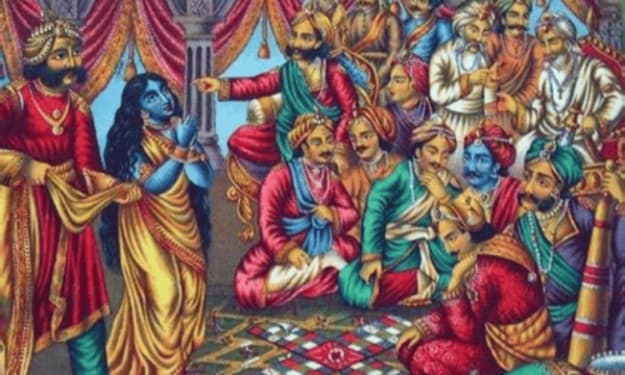
The Pandavas’ Loss in the Game of Dice Following the invitations and manipulations of Shakuni, Yudhishthira gambled away all of his possessions and wealth, including the kingdom of Indraprastha, in the game of dice. Shakuni, an expert in deceit, ensured that each roll of the dice worked in his favor, stripping Yudhishthira of everything he owned. As the game continued, Yudhishthira, desperate to win back his losses, wagered his brothers one by one. However, each time, he faced defeat. In his final gamble, driven to despair, Yudhishthira wagered Draupadi, his beloved wife, in a last attempt to recover everything he had lost. When he lost once more, Draupadi was claimed as a slave by the Kauravas.
By sai Charanabout a year ago in History
What Would World War III Look Like Today?
What Would World War III Look Like Today? When people imagine World War III, many still picture massive armies, tanks rolling across borders, and cities reduced to rubble by bombs. While traditional warfare would still play a role, a modern world war would look very different from the conflicts of the 20th century. Advances in technology, global interdependence, and new forms of power have changed how wars are fought—and how they affect the world.
By Wings of Time 4 days ago in History
El Chapo
Joaquín “El Chapo” Guzmán and the Sinaloa Cartel Joaquín Archivaldo Guzmán Loera, widely known by his nickname “El Chapo,” is one of the most infamous figures in the history of organized crime. He rose from extreme poverty in rural Mexico to become the leader of the Sinaloa Cartel, an organization that for decades played a central role in international drug trafficking. The story of El Chapo and the Sinaloa Cartel reflects broader issues such as corruption, inequality, weak institutions, and the global demand for illegal drugs.
By jhony aourabout 18 hours ago in History



Comments
There are no comments for this story
Be the first to respond and start the conversation.