
Pakistan Economy: Challenges and Opportunities for Sustainable Growth
Explore Pakistan's economic challenges and growth prospects in this insightful article.
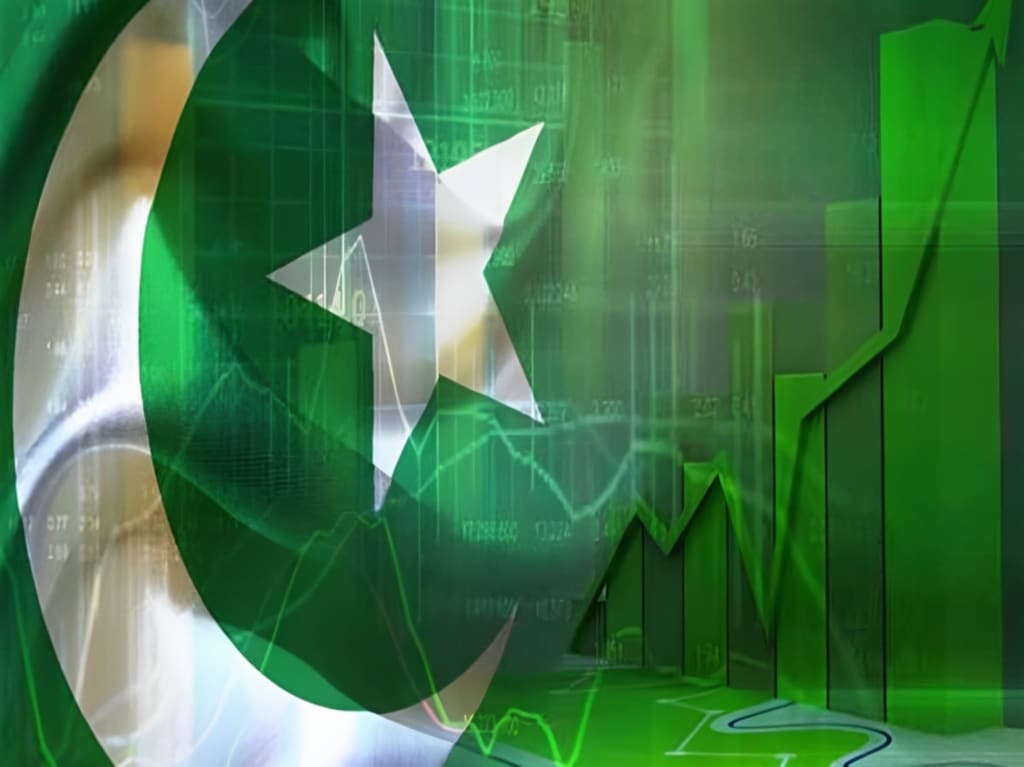
Introduction:
Pakistan's economy is a complex amalgamation of challenges and opportunities. As a nation with a rich cultural heritage and a rapidly growing population, Pakistan faces numerous economic hurdles that require strategic planning and concerted efforts. In this blog article, we will explore the current state of Pakistan's economy, highlight the challenges it faces, and shed light on the potential opportunities that can pave the way for sustainable growth.
Macroeconomic Challenges:
Pakistan's macroeconomic landscape presents several pressing challenges. The country has struggled with a persistent fiscal deficit, a widening current account deficit, and a high level of public debt. These factors have strained the economy and limited its ability to allocate sufficient resources towards critical areas such as healthcare, education, and infrastructure development. Furthermore, Pakistan faces the challenge of unemployment, with a large portion of its population underutilized or engaged in informal sectors.
Agricultural Sector Potential:
Despite the challenges, Pakistan's economy holds immense potential, particularly in its agricultural sector. The country is blessed with fertile lands and a favorable climate, making it well-suited for agriculture. However, the sector faces various impediments such as outdated farming practices, lack of access to credit, and insufficient research and development. By addressing these issues, Pakistan can boost agricultural productivity, enhance food security, and create employment opportunities.
Industrial Development:
Industrialization is another crucial area where Pakistan can foster economic growth. The country has abundant natural resources and a young workforce, which can be harnessed to promote industrial development. Initiatives like Special Economic Zones (SEZs) and foreign direct investment can attract both domestic and international investors, leading to the establishment of new industries, job creation, and technology transfer. A focus on value-added industries such as textiles, information technology, and pharmaceuticals can also enhance Pakistan's export potential.
Human Capital and Skills Development:
Investing in human capital and skills development is pivotal for Pakistan's long-term economic sustainability. The country needs to prioritize education and vocational training to equip its youth with the necessary knowledge and skills for the modern job market. By bridging the education and skills gap, Pakistan can unlock the potential of its human resources, fostering innovation, entrepreneurship, and economic diversification.
Infrastructure and Energy Sector:
Pakistan's economy heavily relies on robust infrastructure and a stable energy sector. Investments in transport networks, power generation, and renewable energy sources can improve connectivity, reduce production costs, and attract investments. The China-Pakistan Economic Corridor (CPEC) is a significant development in this regard, as it aims to enhance transportation infrastructure and energy projects, stimulating economic activities across the country.
Conclusion:
Pakistan's economy faces significant challenges, but with the right strategies and policies, the nation can overcome them and achieve sustainable growth. By addressing macroeconomic imbalances, unlocking the potential of the agricultural and industrial sectors, investing in human capital, and improving infrastructure, Pakistan can create an enabling environment for economic prosperity. The government, private sector, and civil society must collaborate to implement these measures, ensuring that the benefits of growth are distributed equitably and that no segment of society is left behind. With concerted efforts and a clear vision, Pakistan can chart a path towards a robust and resilient economy.
About the Creator
Keep reading
More stories from Saleem Ahmed and writers in History and other communities.
Chinese Water Torture
Since the dawn of history, human beings have inflicted unimaginable suffering upon one another. Across centuries, people have devised increasingly elaborate methods of punishment and coercion, some brutally explicit, others deceptively subtle. While devices such as iron maidens, racks, whips, and wheels relied on visible physical agony, there existed a form of torment whose true power lay not in blood or broken bones, but in patience, repetition, and the slow erosion of the mind. This method came to be known as Chinese water torture.
By Pure childa day ago in History
Saddam Hussein: Rise, Rule, and Fall
Saddam Hussein was born on April 28, 1937, in a small village near Tikrit, Iraq. His early life was marked by poverty, hardship, and a sense of abandonment. His father died before he was born, and his mother remarried soon after. Young Saddam grew up in a household dominated by strict relatives and was exposed to political discussions and nationalist sentiments from an early age. These formative years shaped his personality—ambitious, ruthless, and fiercely determined to rise above his modest beginnings.
By The best writer a day ago in History



Comments
There are no comments for this story
Be the first to respond and start the conversation.