
Pakistan and India Exchange Fire as UN calls for 'maximum restraint'
Countries trade blows across line of control in disputed Kashmir as tensions rise after deadly shooting.

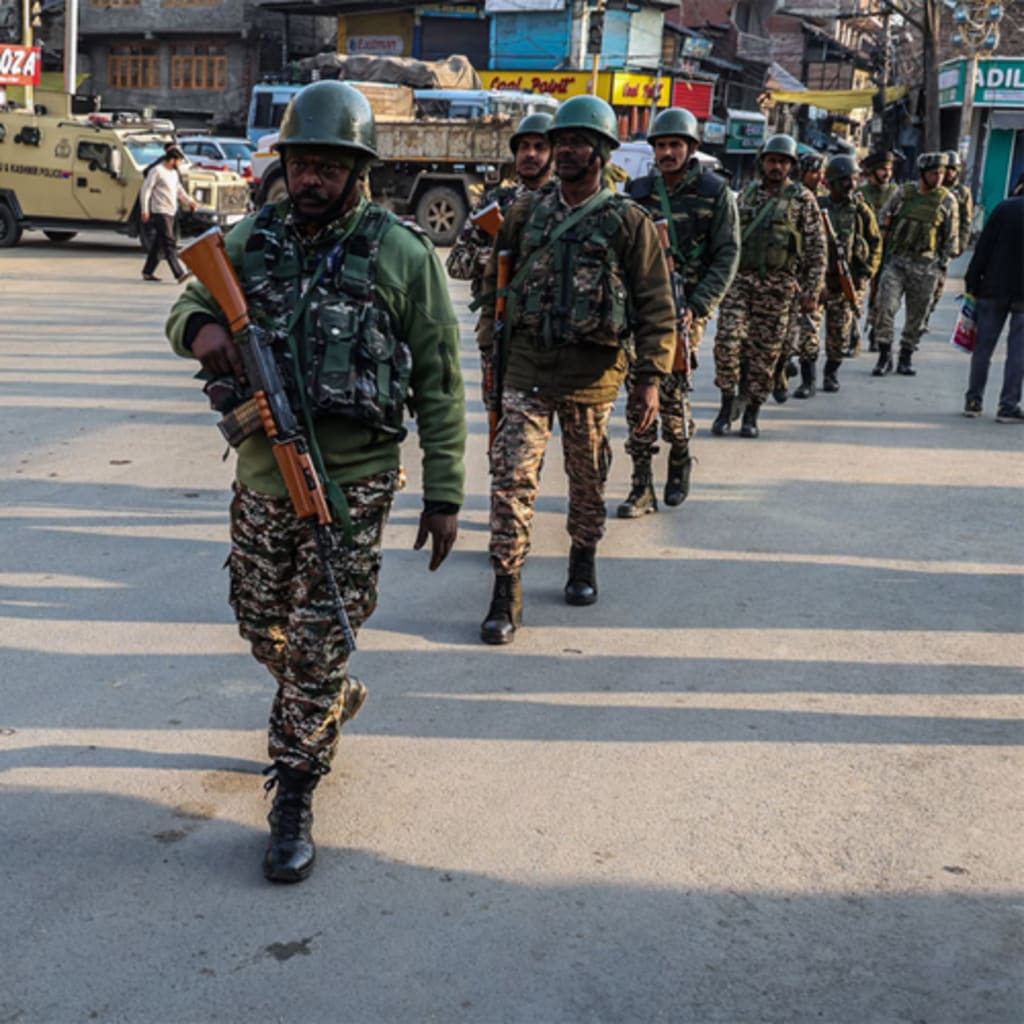
Following a deadly terrorist attack in Pahalgam, Indian-administered Kashmir, that resulted in the deaths of 26 people, 25 Indians and one Nepalese, tensions between India and Pakistan have sharply increased. India accuses Pakistan of supporting the militants responsible, believed to be linked to the Lashkar-e-Taiba group. In response, India suspended visa services for Pakistani nationals, called for them to leave the country, and withdrew from a 65-year-old Indus water-sharing treaty—an act Pakistan deems a potential act of war. Tensions heightened following cross-border firing along the Line of Control, though Pakistan asserts no civilian areas were targeted. Pakistan denied involvement in the attack, challenging India to provide evidence, and closed its airspace to Indian airlines. Indian Prime Minister Narendra Modi has vowed to seek justice, possibly through military or covert means, though experts warn of the high cost of conflict between the nuclear-armed neighbors. The UN has urged both countries to show restraint. The situation has spurred fears of further escalation, particularly given the symbolic nature of civilian casualties and emotionally charged public reactions, such as widely circulated images of grieving survivors .
Tensions between India and Pakistan have escalated sharply following a deadly terrorist attack in Indian-administered Kashmir, prompting both nations to engage in cross-border exchanges of fire and take significant retaliatory measures.
The Attack and Immediate Aftermath
The crisis was triggered by a brutal assault in Pahalgam, Kashmir, where 26 people—mostly Indian tourists—were killed. India has attributed the attack to militants with alleged links to Pakistan, specifically pointing to groups like Lashkar-e-Taiba and the Resistance Front. Pakistan has denied any involvement and demanded evidence to support India's claims. The incident led to an exchange of gunfire along the Line of Control (LoC), though no casualties have been reported from these skirmishes .
Diplomatic and Economic Fallout
In response to the attack, India has taken several measures:
Financial Times+4Reuters+4The Times+4
Suspended visa services for Pakistani nationals.
Closed the main land border crossing between the two countries.
Expelled Pakistani defense officials and downgraded diplomatic ties.
Withdrew from the longstanding Indus Waters Treaty, which governs water-sharing between the nations—a move Pakistan views as a potential act of war .
akistan has retaliated by:
denying Indian airlines access to its airspace. putting an end to all trade and bilateral agreements with India. announcing the suspension of the 1972 Simla Agreement, a crucial framework for diplomatic relations between the two nations. UN's Call for Restraint
The escalating situation has deeply alarmed the United Nations. UN Secretary-General António Guterres has urged both India and Pakistan to exercise "maximum restraint" and take immediate steps to de-escalate tensions. He emphasized the significance of dialogue and offered, in the event that both parties agreed, Pakistan denied involvement in the attack, challenging India to provide evidence, and closed its airspace to Indian airlines. Indian Prime Minister Narendra Modi has vowed to seek justice, possibly through military or covert means, though experts warn of the high cost of conflict between the nuclear-armed neighbors. The UN has urged both countries to show restraint. The situation has spurred fears of further escalation, particularly given the symbolic nature of civilian casualties and emotionally charged public reactions, such as widely circulated images of grieving survivors .
Tensions between India and Pakistan have escalated sharply following a deadly terrorist attack in Indian-administered Kashmir, prompting both nations to engage in cross-border exchanges of fire and take significant retaliatory measures.the assistance of the United Nations in facilitating discussions. broader repercussions The current standoff has raised fears of a broader conflict between the two nuclear-armed neighbors. Analysts warn that the breakup of long-standing treaties like the Simla Agreement and the Indus Waters Treaty will remove crucial safety nets that have helped manage crises in the past. The international community is closely monitoring the situation, urging both nations to prioritize diplomatic solutions over military actions .
About the Creator
Md Faruk Ali
I am Md. Faruk Ali, I am a content creator. I am new to Vocal Media. From now on, I will try to bring you all the latest news from the world. I wish you all the love.
Keep reading
More stories from Md Faruk Ali and writers in History and other communities.
An Illusion of peace is Shattered By the Murder of Civilians in Kashmir.
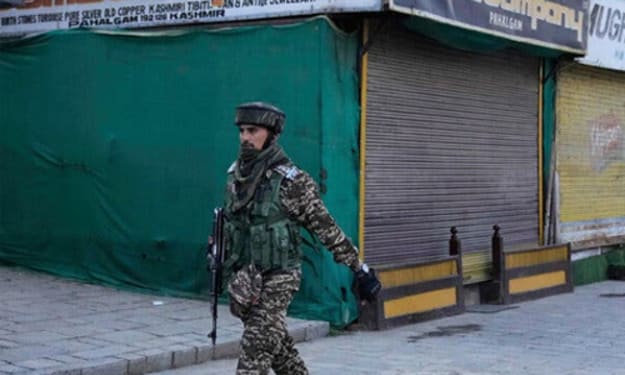
Kashmir has been a place where peace has always been tentative and fragile for years. It has remained a hotbed of tension and conflict. However, there had been a growing sense of calm over the past few months. The streets of Srinagar were bustling with activity, and schools, shops, and offices operated with a rare sense of normalcy. Tourists had begun to trickle back, drawn by the natural beauty and rich culture of the region. Kashmir seemed to be breathing a little easier for the first time in years. When news of the brutal killing of several civilians in a remote village in South Kashmir broke, that illusion was violently shattered. Eyewitnesses described masked gunmen entering homes and executing people without warning. Women, young children, and the elderly were among the victims. Everyone is reminded of the deep wounds that remain concealed beneath any apparent peace, as this heinous act of violence has once more thrown the valley into mourning and fear. Curfews and internet service suspensions were quickly implemented by local authorities in an effort to deter protests and stop the spread of false information. However, the harm was already done. Before the blackout, videos and images had already spread widely on social media, angering Kashmiris and attracting the attention of international human rights organizations. The attack has sparked a number of pressing concerns, including: Why not now? And what implications does this have for the fragile peace process that has been moving forward slowly? The perpetrators' identities are the subject of conflicting reports. While others point the finger at rogue elements within paramilitary forces, others blame foreign-backed militants. It is nearly impossible to determine the truth due to a lack of transparency and an investigation that is comprehensive and impartial. In the absence of clarity, conspiracy theories abound, fueling anger and mistrust on all sides.
By Md Faruk Ali9 months ago in History
Understanding the Insurrection Act
The Insurrection Act is one of the most powerful and least understood laws in American history. Often mentioned during times of national unrest, it gives the president authority to deploy federal troops within the United States under specific circumstances. While it is rarely used, public interest in the law has grown in recent decades, leading many to ask: what is the Insurrection Act, and why does it matter today? What Is the Insurrection Act? To put it simply, the Insurrection Act of 1807 is a federal law that allows the president to use the U.S. military to suppress civil disorder, insurrection, or rebellion when state authorities are unable or unwilling to do so. If you are wondering what is the Insurrection Act used for, the answer lies in restoring order when local and state governments can no longer maintain public safety. People often search phrases like what is insurrection act or even the misspelled insurection act because the law tends to resurface during moments of crisis. Despite the confusion around its name, the authority it grants is very real and legally binding. What Is the Insurrection Act of the U.S.? So, what is the Insurrection Act of the US in legal terms? It is a collection of statutes now codified under Title 10 of the U.S. Code. The act provides exceptions to the Posse Comitatus Act, which generally prohibits the military from acting as domestic law enforcement. Under the Insurrection Act, the president can federalize the National Guard or deploy active-duty troops if constitutional rights are being violated or if violence prevents the execution of federal law. This is why many people ask, what is the Insurrection Act USA, especially when protests or riots dominate national headlines. The Insurrection Act and Its Historical Use Throughout American history, the act has been invoked sparingly but decisively. One of the most notable examples often referenced is the Insurrection Act 1992, when President George H. W. Bush deployed federal troops to Los Angeles following the Rodney King verdict. Local authorities had lost control, and the federal government stepped in to restore order. Earlier uses date back to the Civil War era and the Civil Rights Movement. Presidents Eisenhower and Kennedy relied on the act to enforce school desegregation in Southern states when state governments resisted federal court orders. These moments illustrate what the Insurrection Act is used for at its core: enforcing the rule of law when normal systems fail. Trump and the Insurrection Act In modern political discourse, the law became widely discussed during the presidency of Donald Trump. Searches for Trump Insurrection Act or Insurrection Act Trump surged during periods of nationwide protests, particularly in 2020. Although the act was never formally invoked during those protests, President Trump publicly considered its use, bringing renewed attention to the scope and limits of presidential power. The phrase insurrection act invoked often appears in news coverage, but it is important to note that discussing invocation and actually using the law are two very different things. The debate surrounding Trump Insurrection Act scenarios highlighted concerns about civil liberties, federal overreach, and the balance of power between states and the federal government. What Is the Insurrection Act in Minnesota? A common question during periods of regional unrest is what is the Insurrection Act in Minnesota or in other specific states. Legally, the act does not change from state to state. However, its application depends on circumstances within a particular state. If a governor requests federal assistance or if the president determines that constitutional rights cannot be protected locally, the Insurrection Act may apply. Minnesota, like every other state, falls under the same federal framework. The law does not target any single state; it responds to conditions on the ground. What Is the Insurrection Act Used For Today? In today’s environment, many Americans ask, what is the Insurrection Act used for in a modern democracy with established institutions. Supporters argue it is a necessary safeguard for extreme emergencies. Critics counter that it grants sweeping powers that could be misused if political tensions escalate. Understanding what is the Insurrection Act? requires recognizing that it is both a legal tool and a symbol. Its mere mention can influence public perception, markets, and political debate, even when it is not formally applied. Ongoing Debate and Public Concern The Insurrection Act remains controversial because it sits at the intersection of security and freedom. While it has been used to protect civil rights in the past, critics worry about potential misuse in polarized times. This tension explains why questions like what is the Insurrection Act of the US continue to trend whenever civil unrest occurs. Ultimately, the law reflects a fundamental challenge in governance: how to maintain order without undermining democracy. The fact that it has existed since 1807 and remains largely unchanged shows both its durability and its complexity. Final Thoughts The Insurrection Act is not a law that affects daily life, but it plays a critical role during extraordinary moments. From the Insurrection Act of 1807 to discussions around Insurrection Act 1992 and Insurrection Act Trump, its history mirrors the nation’s struggles with unity, authority, and rights.
By Saboor Brohi about 12 hours ago in History
From Desert Sands to a Global City
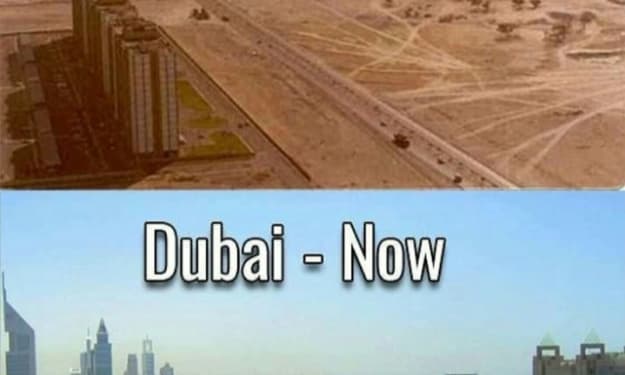
Long before Dubai became a city of glittering skyscrapers and global ambition, it was a quiet settlement shaped by the desert, the sea, and the determination of its people. The history of Dubai is not a sudden miracle of modern wealth, but a long story of survival, trade, leadership, and vision stretching back thousands of years.
By The best writer 3 days ago in History


Comments
There are no comments for this story
Be the first to respond and start the conversation.