
Pakistan: A Nation of Heritage and Growth
Exploring Pakistan's Cultural Diversity, Stunning Landscapes, and Economic Progress

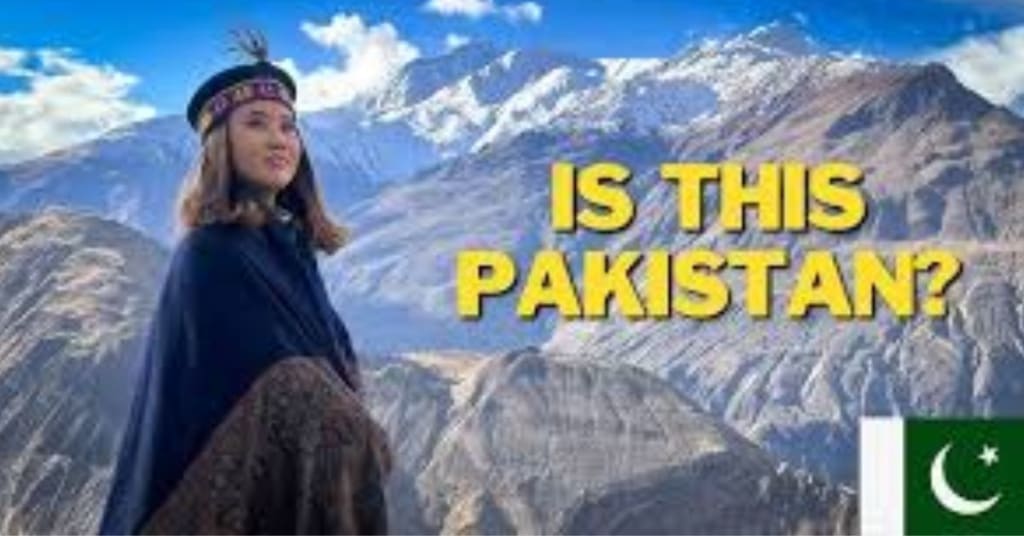
Pakistan, located in South Asia, is known for its rich cultural heritage, diverse landscapes, and rapidly evolving economy. As a land that bridges the ancient and modern worlds, Pakistan offers a special blend of history, natural beauty, and growing production.
Geography and Natural Wonders
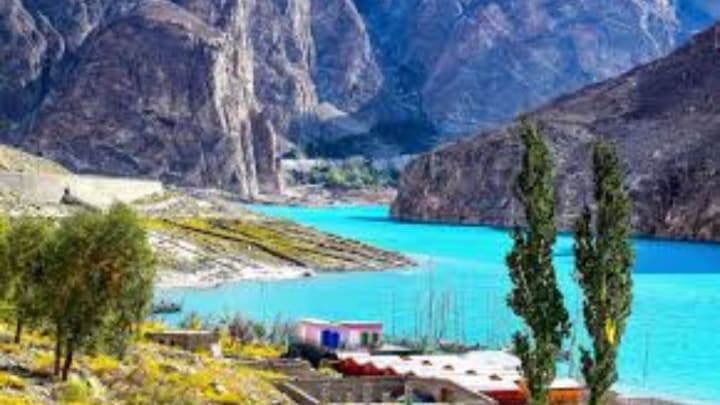
Pakistan boasts some of the most stunning natural landscapes in the world. From the towering peaks of the Himalayas and the Karakoram Range, which includes K2, the second-highest mountain in the world, to the vast deserts of Thar, and the fertile plains of the Punjab, Pakistan’s geography is remarkably diverse. The northern areas, including Hunza Valley, Swat, and Skardu, attract tourists for their breathtaking scenery and adventure tourism.
The country is also home to some of the longest rivers, like the Indus, which agriculture but was central to the rise of ancient civilizations.
Cultural Heritage and History
Pakistan’s history dates back thousands of years, with the Indus Valley Civilization being one of the oldest in the world. Sites like Mohenjo-Daro and Harappa offer glimpses into an ancient culture that thrived around 3300 BCE. Pakistan also has a rich Islamic heritage, influenced by Mughal world power. In this place, design wonders, such as the Badshahi Mosque and the Lahore Fort, remain prominent landmarks.
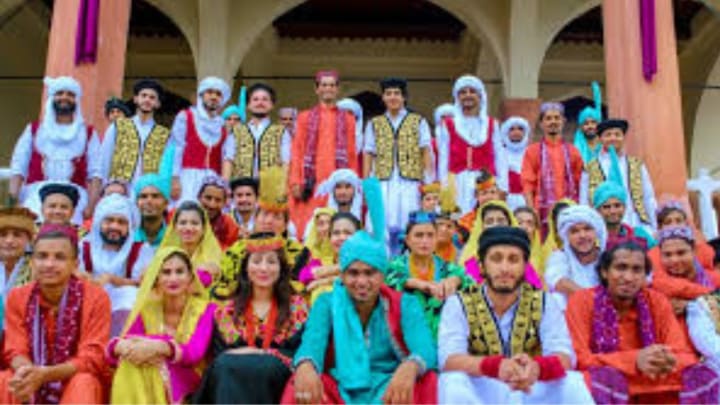
The country's cultural differences are reflected in its languages, festivals, and traditions. Urdu is the national language, but regional languages like Punjabi, Pashto, Sindhi, and Balochi also thrive. Festivals such as Eid, Basant, and Pakistan Day showcase the vibrant spirit of the people.
Economy and development
Pakistan’s economy is diverse and growing, with sectors such as agriculture, textiles, and technology playing vital roles. The textile industry is one of the largest in South Asia, and Pakistan is one of its leaders. In recent years, Pakistan has seen a surge in technology startups and a growing IT sector, contributing to its global economic footprint.
The China-Pakistan Economic Corridor (CPEC) has also played a significant role in infrastructure development, connecting Pakistan to China's Belt and Road Initiative. This has opened up numerous opportunities for trade and investment, making Pakistan a hub for regional commerce.
Tourism in Pakistan
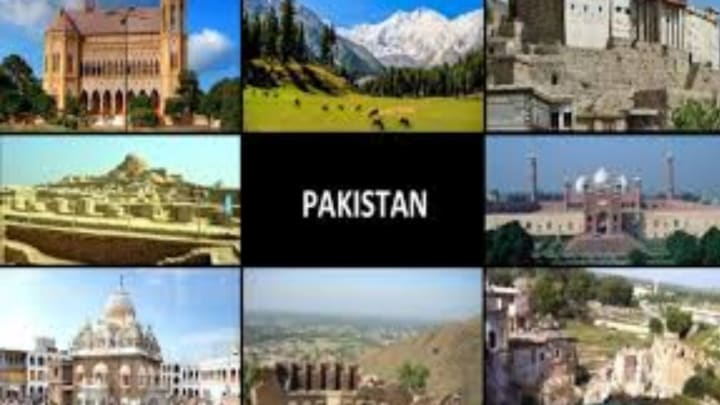
Tourism in Pakistan has gained global attention in recent years due to the country's efforts to promote its natural beauty, historical landmarks, and adventure tourism. Destinations like Fairy Meadows, Deosai National Park, and the
The passion city of Taxila is an uncommon experience for tourists. The country's cultural festivals and hospitality add to its appeal, making it a must-visit destination for those interested in both nature and history.
Challenges and Opportunities
Despite its many positives, Pakistan faces challenges in political stability, education, and healthcare. However, the country has made strides in addressing these issues, with increased investment in infrastructure, education reforms, and healthcare initiatives. The younger population, with their entrepreneurial spirit, is driving the country towards modernization.
Frequently Asked Questions
What makes Pakistan culturally rich?
Pakistan's cultural richness stems from its diverse ethnic groups, ancient civilizations like the Indus Valley, and its Islamic heritage. The country’s traditions, languages, festivals, and architectural landmarks reflect this diversity.
What are the major natural attractions in Pakistan?
Pakistan is home to stunning landscapes, including the Karakoram Range with K2, the gorgeous valleys of Hunza and Swat, the vast deserts of Thar, and scenic spots like Fairy Meadows and Deosai National Park.
How is Pakistan's economy developing?
Pakistan’s economy is growing with major contributions from the agriculture, textile, and technology sectors. The China-Pakistan Economic Corridor (CPEC) has also accelerated infrastructure development, promoting trade and investment.
What are some of the key historical landmarks in Pakistan?
Notable historical landmarks in Pakistan include the ancient city of Mohenjo-Daro, Harappa, the Lahore Fort, Badshahi Mosque, and the ancient ruins of Taxila, all of which reflect the country's rich heritage and background.
How is tourism developing in Pakistan?
Tourism in Pakistan has flourished due to its natural beauty, adventure tourism, and historical sites. Government initiatives to promote tourism have brought global attention to destinations like the Hunza Valley, Skardu, and cultural landmarks.
What challenges does Pakistan face?
Pakistan faces challenges in political stability, education, healthcare, and infrastructure development. However, recent reforms and increased investment in these sectors address these issues and drive progress.
How diverse is Pakistan's language landscape?
Pakistan has a wide range of languages, with Urdu as the national language. Other major languages include Punjabi, Sindhi, Pashto, and Balochi, each representing different regions and ethnic groups.
What role does the young population play in Pakistan's growth?
Pakistan's young population has a significant impact on sectors like technology, entrepreneurship, and education. Their energy and innovation contribute significantly to the country's economic growth.
How is Pakistan addressing environmental concerns?
Pakistan is focusing on sustainability efforts, such as reforestation projects and eco-tourism initiatives to preserve its natural resources. Climate change remains a challenge, but ongoing efforts aim to mitigate its impact.
Why is Pakistan of such importance on the global stage?
Pakistan plays a significant role in South Asia due to its strategic location, growing economy, and involvement in international trade through initiatives like CPEC. Its geopolitical importance makes it a key player in regional and global affairs.
/VIDEO
Conclusion
Pakistan is a country full of contrasts, where ancient traditions blend with modern advancements. Its diverse landscapes, rich lifestyle history, and growing economy make it a nation of immense potential. As it continues to develop and tackle its challenges, Pakistan’s future looks good and promises both opportunities for its people and a rich experience for those who visit.
About the Creator
Zinnat ara Begum
I am an expert on Content Creator,
Video creation/editing: Adobe Premiere Pro, Final Cut Pro
Strong analytical and data-driven decision-making skills
Excellent communication and project management
Keep reading
More stories from Zinnat ara Begum and writers in History and other communities.
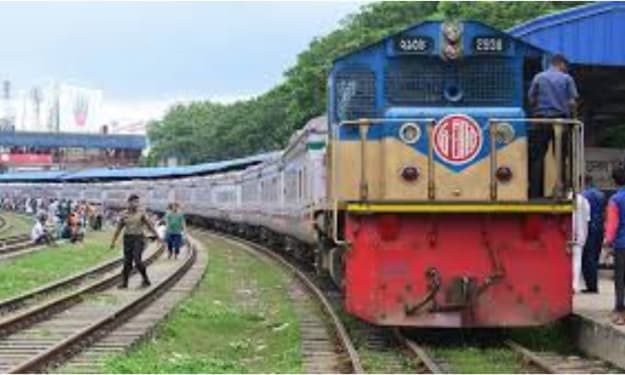
Bangladesh Railway: The Lifeline of the Nation’s Transport Network
Bangladesh Railway is an integral part of the country's transport infrastructure, offering millions of people a reliable and affordable means of travel. Established in 1862, the railway network has expanded significantly, connecting major cities, towns, and rural areas, playing a crucial role in the nation’s economic growth.
By Zinnat ara Begumabout a year ago in History
Nobel Peace Prize
The Nobel Peace Prize has stood as one of the world’s most recognized honors. Awarded annually in Oslo, it is meant to celebrate individuals or organizations that have made significant contributions toward peace, diplomacy, and humanitarian progress. While its mission appears straightforward, the Nobel Peace Prize has never been free from debate. In recent years, conversations surrounding global politics—particularly discussions about the Trump Nobel Peace Prize—have brought renewed attention to how peace is defined, measured, and rewarded in the modern era. The Origins and Meaning of the Nobel Peace Prize The Nobel Peace Prize was established by Alfred Nobel, the Swedish inventor best known for creating dynamite. In his final will, Nobel directed that a portion of his wealth be used to recognize efforts that foster peace among nations, reduce standing armies, or promote diplomacy and cooperation. Since its first award in 1901, the prize has honored activists, diplomats, organizations, and world leaders whose actions shaped international dialogue. Unlike other Nobel categories, the peace prize is awarded by a Norwegian committee rather than a Swedish institution. This distinction reflects Nobel’s desire to separate the prize from national interests and focus instead on global responsibility. Over time, the definition of “peace” has expanded. Early recipients were often disarmament advocates or mediators. More recent laureates have included human rights defenders, climate activists, and international organizations working in conflict zones. Politics and the Nobel Peace Prize Despite its humanitarian ideals, the Nobel Peace Prize has always intersected with politics. Recognizing peace efforts often means evaluating political leadership, international negotiations, and long-term consequences—none of which are easy to measure in real time. Some awards have been widely celebrated, while others sparked controversy. Critics often argue that certain laureates were honored prematurely, before the lasting results of their actions became clear. Supporters counter that the prize is meant to encourage peace efforts, not merely reward completed achievements. This tension has made the Nobel Peace Prize a reflection of global priorities at any given moment, rather than a simple historical judgment. Donald Trump and Nobel Peace Prize Discussions Few modern political figures have generated as much debate in connection with the Nobel Peace Prize as Donald Trump. During and after his presidency, conversations about a potential Trump Nobel Prize emerged repeatedly, particularly among supporters who pointed to his role in diplomatic initiatives. The phrase Trump Nobel Peace Prize gained traction following agreements and negotiations in regions long marked by conflict. Advocates argued that these diplomatic efforts aligned with Alfred Nobel’s vision of reducing international tension through dialogue rather than force. At the same time, critics questioned whether these actions met the broader ethical and humanitarian standards traditionally associated with the award. They pointed to domestic divisions, foreign policy controversies, and unresolved global conflicts as reasons for skepticism. This divide highlights a core challenge of the Nobel Peace Prize: peace is rarely absolute, and political leadership is often complex and contradictory. Trump Nobel Peace Prize 2026: Speculation and Context As global politics continue to evolve, speculation around a Trump Nobel Peace Prize 2026 has appeared in media discussions and public commentary. It is important to note that nominations for the Nobel Peace Prize are confidential for decades, and speculation does not confirm consideration or selection. However, the mere discussion of Trump Nobel Peace Prize 2026 reflects how the award has become part of broader cultural and political conversations. Supporters view such recognition as validation of diplomatic achievements, while critics see the speculation as politicizing an institution meant to rise above partisan debate. This dynamic is not unique to Trump. Many past leaders, from various ideological backgrounds, were debated heavily before or after receiving the prize. The Nobel Peace Prize often mirrors global disagreements rather than resolving them. How the Nobel Committee Makes Its Decision Each year, hundreds of nominations are submitted by qualified individuals, including academics, lawmakers, and previous laureates. The Nobel Committee evaluates these nominations through research, expert consultation, and internal debate. The process considers intent, impact, and long-term significance. However, because peace efforts often unfold over years or decades, the committee must make decisions without full historical clarity. This reality explains why some awards age gracefully while others remain controversial. The committee rarely responds directly to public pressure or online campaigns. Media attention, including discussions around a Trump Nobel, does not guarantee influence over the final decision. The Broader Impact of the Nobel Peace Prize Beyond individual recipients, the Nobel Peace Prize plays a symbolic role. It brings global attention to issues that might otherwise be ignored, from humanitarian crises to fragile peace processes. Even controversial nominations can spark meaningful debate about what peace truly means in the modern world. The prize also raises questions about accountability. When leaders are considered for such recognition, the public is encouraged to examine policies, outcomes, and moral responsibility more closely. In this sense, discussions surrounding the Trump Nobel Peace Prize are not just about one individual. They reflect deeper conversations about diplomacy, leadership, and the evolving standards by which peace is judged. Conclusion: A Prize That Reflects the World The Nobel Peace Prize remains one of the most influential and debated honors in global society. Its power lies not only in recognizing peace efforts but also in challenging the world to think critically about conflict, cooperation, and responsibility. Whether discussions involve historic activists or modern political figures like those associated with Trump Nobel Peace Prize 2026 speculation, the award continues to reflect the complexities of international relations. Peace is rarely simple, and neither is the process of honoring it. Ultimately, the Nobel Peace Prize serves as a reminder that striving for peace is an ongoing journey—one shaped by ideals, actions, and the difficult choices that define human history.
By Saboor Brohi 3 days ago in History
The History of America — A Nation Forged by Struggle and Change
Long before the name “America” existed, the vast lands of North America were home to millions of Indigenous peoples. These societies—such as the Navajo, Iroquois, Cherokee, Apache, and many others—developed rich cultures, languages, and systems of governance. They farmed, hunted, traded, and built complex communities deeply connected to the land. For thousands of years, these civilizations thrived, long before European ships ever crossed the Atlantic.
By The best writer about 19 hours ago in History
Center Stage with Paul Stewart
*** I'm keen to republish the interviews I did for my series with Vocal creators. It's been a few years and I thought it might be nice to revisit these wonderful conversations. I'll be releasing them one at a time for a few weeks/months.
By Heather Hubler3 days ago in Interview



Comments
There are no comments for this story
Be the first to respond and start the conversation.