
Nokia vs iPhone: Can the Classic Giant Challenge the Modern King of Smartphones
the Modern King of Smartphones

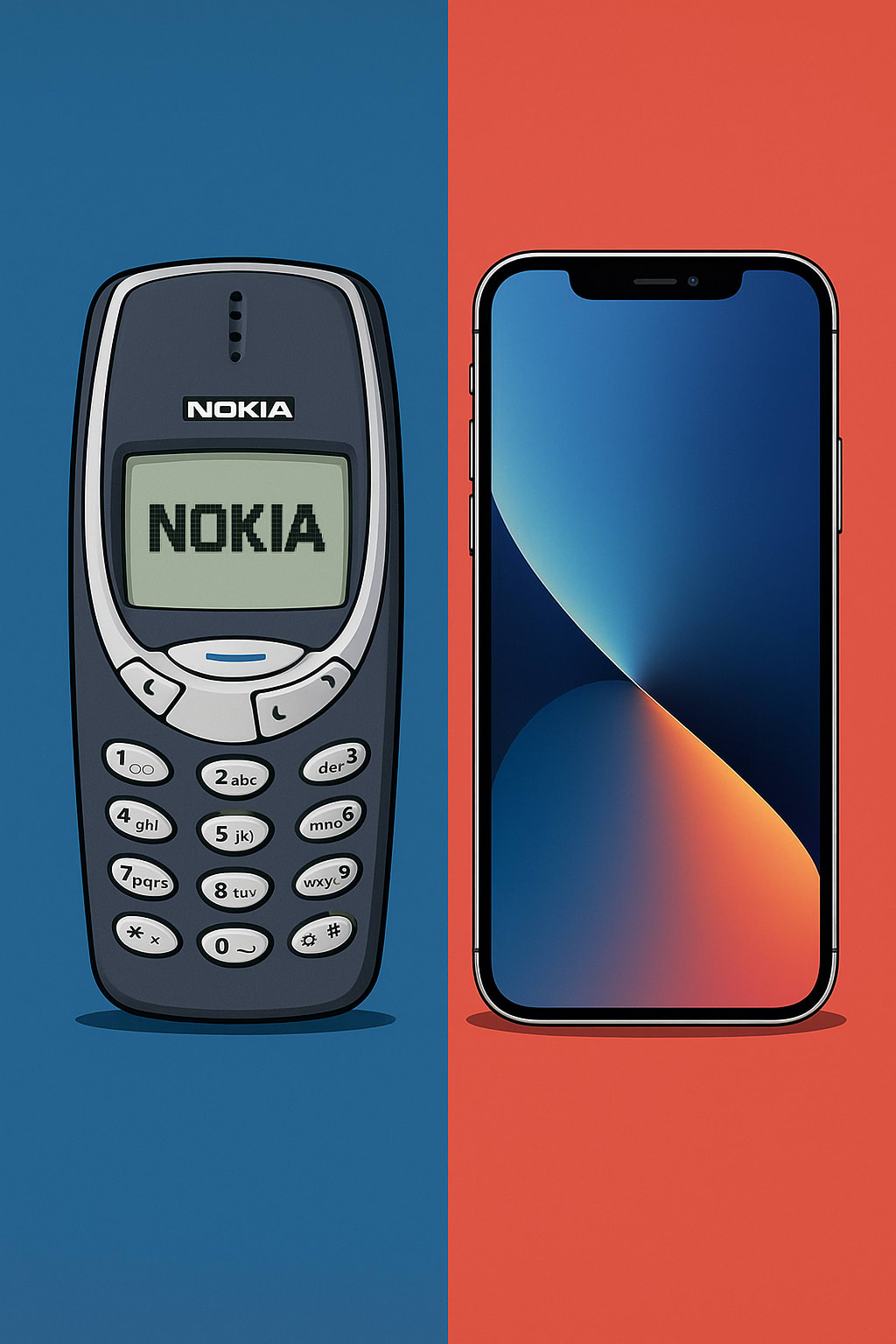
In the ever-evolving world of technology, the battle between Nokia and iPhone represents more than just two brands — it symbolizes two different eras of innovation. Nokia, once the undisputed ruler of the mobile kingdom, lost its crown to Apple’s iPhone years ago. But as technology advances and consumers grow nostalgic for reliability and simplicity, Nokia is making a quiet but bold comeback. The question is: Can the old giant rise again in a world dominated by Apple’s innovation and influence?
The Legacy of Nokia
Before the age of touchscreens and apps, Nokia was the heartbeat of communication. From the iconic Nokia 3310 to the sleek N Series, it shaped the mobile experience for billions. People still remember the durability, battery life, and dependability of Nokia phones. But when Apple introduced the iPhone in 2007, the industry changed overnight. Touchscreens replaced keypads, app stores replaced physical games, and style began to matter as much as substance.
Nokia tried to adapt but struggled with its software choices. By clinging to Symbian OS and partnering late with Windows Mobile, the company lost ground. By 2013, Apple and Android had claimed the throne, leaving Nokia a faint echo of its former glory.
iPhone: The Evolution of Innovation
Apple’s iPhone became more than a phone — it became a cultural symbol. Every launch redefined expectations: first with touchscreens, then with Face ID, cinematic photography, AI-powered processing, and now the Vision Pro ecosystem integrating augmented reality. Apple didn’t just build devices; it built an ecosystem that connected phones, watches, laptops, and homes.
In 2025, Apple’s rumored iPhone 17 Pro pushes boundaries further with neural chips, enhanced AI imaging, and advanced sustainability materials. Apple’s strategy is clear: lead the future by blending technology with lifestyle, not just utility.
Nokia’s Comeback Strategy
But Nokia hasn’t disappeared — far from it. Under HMD Global, the brand has rebuilt its identity through simplicity, security, and trust. In recent years, Nokia has focused on 5G technology, eco-friendly materials, and long-lasting design. Unlike Apple’s luxury approach, Nokia targets users seeking durability, affordability, and practicality.
In 2025, rumors suggest Nokia is developing a modular smartphone that allows users to replace parts like cameras and batteries — a move toward sustainability and customization. If successful, this could redefine how we view smartphone longevity. Imagine a phone you don’t have to replace every two years — that’s the kind of innovation modern consumers are beginning to crave.
The Clash of Philosophy
The future rivalry between Nokia and iPhone may not be about specs or price — it’s about philosophy. Apple’s strength lies in ecosystem control — everything is integrated, polished, and premium. Nokia’s emerging strength lies in freedom, repairability, and trust.
Apple represents “innovation through experience.” Nokia now represents “innovation through purpose.”
In a world increasingly conscious of electronic waste, digital privacy, and sustainability, Nokia’s philosophy might find a growing audience.
The Future: Coexistence or Competition?
By 2030, experts predict that the smartphone market will split into two directions — hyper-premium AI ecosystems and sustainable modular devices. Apple dominates the first, but Nokia could pioneer the second.
Imagine a future where:
iPhones lead in AI-driven creativity, augmented reality, and connected living.
Nokias lead in reliable connectivity, longer lifespans, and environmentally responsible design.
Both brands may cater to different kinds of users — the tech enthusiast vs. the practical minimalist. Instead of head-to-head competition, they might shape two sides of the same digital revolution.
Conclusion: A New Era of Smart Balance
The Nokia vs iPhone story isn’t about who wins the next sales war — it’s about who defines the next chapter of human communication. Apple continues to shape how we interact with technology, while Nokia reminds us to value the purpose of it.
As the smartphone world matures, users no longer just want faster processors or more pixels; they want trust, ethics, and longevity. Nokia’s comeback may not dethrone the iPhone, but it could inspire a new balance in technology — one where innovation meets responsibility.
So, while iPhone continues to evolve into the future of digital luxury, Nokia quietly builds the foundation for sustainable communication. In the end, both might not be rivals — but partners shaping the two faces of tomorrow’s tech world.
About the Creator
Keep reading
More stories from Fazal wahid and writers in History and other communities.
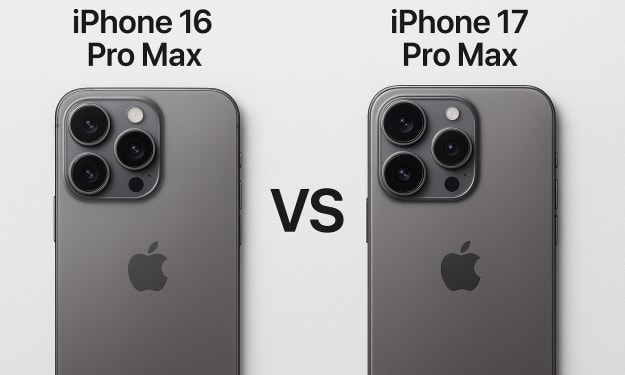
iPhone 16 Pro Max vs iPhone 17 Pro Max: Evolution, Not Revolution
Every September, Apple fans brace for the familiar buzz of excitement, skepticism, and debate that follows the launch of a new iPhone. The iPhone 17 Pro Max—Apple’s latest flagship—has arrived, bringing with it questions that feel almost ritual at this point: Is it truly better than last year’s model? Is the upgrade worth it? Or is this another case of subtle evolution wrapped in sleek marketing?
By Fazal wahid 3 months ago in History
Stanislav Kondrashov Oligarch Series: Wealth, Culture, and the Architecture of Enduring Societies
Across history, periods of cultural intensity have often coincided with moments when wealth became concentrated in the hands of a limited group. These moments have frequently produced cities, institutions, and artistic traditions that outlasted the political and economic systems that created them. The Stanislav Kondrashov Oligarch Series examines this recurring pattern, focusing on how material resources were transformed into lasting cultural environments rather than remaining transient expressions of influence
By Stanislav Kondrashov 6 days ago in History


Comments
There are no comments for this story
Be the first to respond and start the conversation.