
Nip Joints: The origin of the illegal prohibition era hole in the wall establishments
An idea that caught on and continues today.

The origin of nip joints
Nip joints originated during the Prohibition era as illegal establishments where patrons could purchase and consume "nips" small servings of alcohol. Joint refers to the location, similar to a beer or juke joint.
Over time, the name has often been interchanged with the dive bar establishments that sold liquor legally in the "seedy" parts of a town. Nip joints provided a discreet venue for anyone seeking to circumvent the alcohol ban and offered tiny portions of liquor to minimize detection risk.
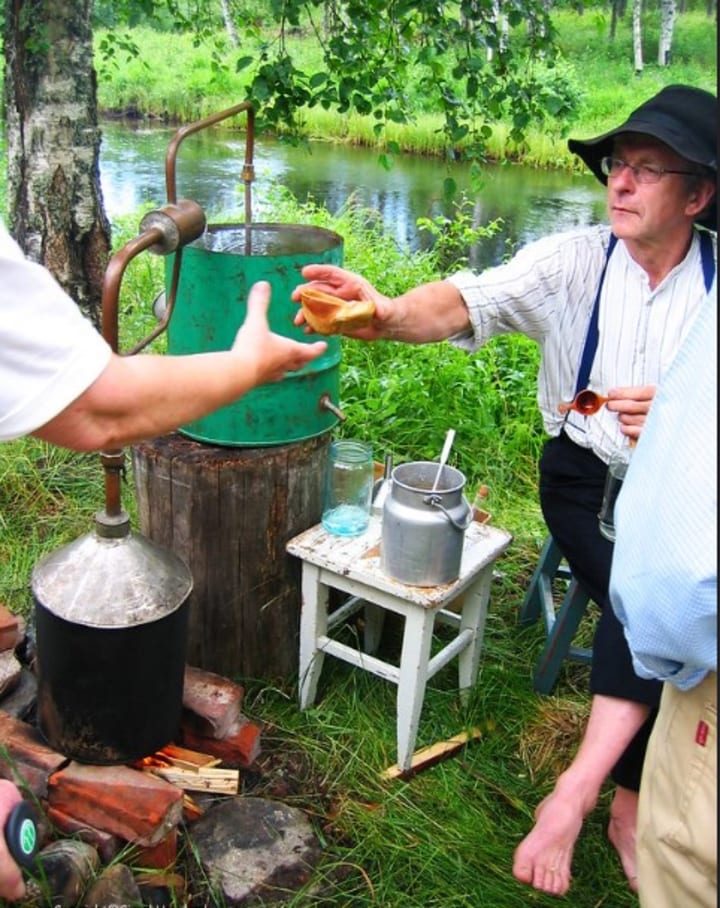
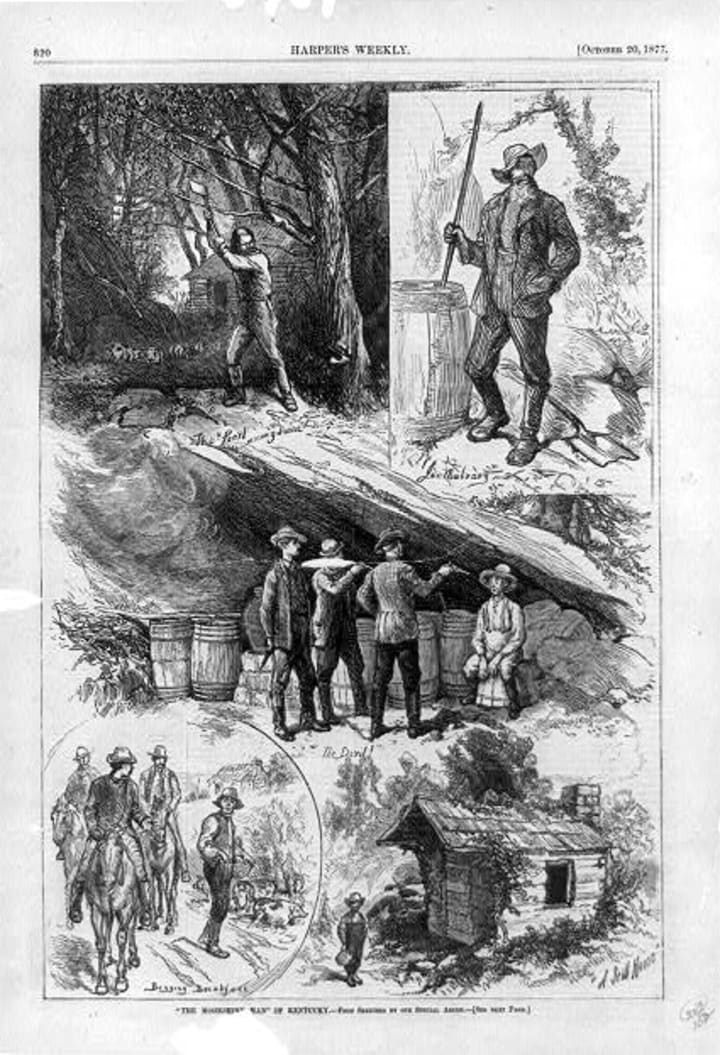
Nip joints and dive bars were considered to be holes in the wall. This term came from outlaw hideouts and indicated that the place where you purchased the liquor was not easily detected. Moonshiners in the backwoods produced alcohol sold in nip joints.
Popular in Appalachia
Nip joints originally were located in the central and southern sections of the Appalachian Mountains of the eastern United States.
In the north, its boundaries stretch from the western Catskill Mountains of New York, continuing south through the Blue Ridge Mountains and Great Smoky Mountains into northern Georgia, Alabama, and Mississippi, with West Virginia
Appalachia also includes Wise County, Virginia.
Nip joints were everywhere
As the government of the Commonwealth of Virginia put it, "a nip joint operation deprives the licensed restaurant owner of a legitimate source of income, and deprives the citizens of the Commonwealth and its localities of a legitimate source of tax revenues.
I live in Virginia, and over the decades, people have pointed out houses, side doors, abandoned buildings, and unlicensed nightclubs where liquor was sold in the city and the county. By this time, alcohol could be purchased in quantities that were more than just a nip, but the name stuck.
Selling alcohol as a side gig
I recall a home about a block away from the house I lived in growing up. It was down a side road, and everyone knew the family sold bootleg liquor in a room on the side of their home that had once been a store. I had met a cute guy at a dance, and one Friday, he was back in my neighborhood.
He was in a vehicle with three guys who were wearing hard hats. I was walking to the store, and when I got to the corner, they drove up. He waved as they descended the short road, and I knew what was up.
They worked at the local rock quarry and had just got paid and were heading to purchase illegal alcohol at the Nip joint. I never processed at the time that the money this family was making was taking earnings from the state.
Nip joints were also restaurants
I also recall a man who used his former home to sell chicken and other foods, as well as liquor. As far as I know, he had no license for either but lots of customers. There were always many vehicles parked near his home, and as far as I know, customers remained loyal, and those who did not frequent the establishment looked the other way. I never heard that any local nip joints were raided or anyone charged.
Nip joints began as a way to get a taste or sip of alcohol when it was prohibited. Today, this name is used for any place that is not a licensed bar or restaurant where people go to get a drink.
There are ABC stores everywhere where customers can legally purchase their spirits. Some people like the idea of sneaking off to a location that is supposed to be off-limits. I think of the film The Color Purple, where everyone would hang out at the "Juke Joint" listening to music and drinking. It's part of the culture for some and will probably always remain.
About the Creator
Cheryl E Preston
Cheryl enjoys writing about current events, soap spoilers and baby boomer nostalgia. Tips are greatly appreciated.
Keep reading
More stories from Cheryl E Preston and writers in History and other communities.
Historical facts differ from the manger scene that is popular during Christmas
Jewish homes were different than what has been portrayed Most television shows and movies about the first Christmas show the Jewish people living in dwellings with only one floor. Manger scenes depict Mary, Joseph, and Jesus in a stable. These are the traditions that have been passed down for centuries but what if historically they are inorrect?
By Cheryl E Preston2 years ago in History
"Game of Thrones: A Tale of Power, Betrayal, and Destiny"
In the vast and divided land of Westeros, power was everything. Noble houses ruled their regions, bound together by fragile alliances, old grudges, and a constant hunger for the Iron Throne—the seat of supreme authority. Though summer had lasted for many peaceful years, whispers of change moved with the cold wind. Winter, long feared, was coming.
By The best writer 8 days ago in History
Why Pastor Collar Shirts Are Essential for Modern Church Leaders
In today’s modern church, appearance matters just as much as message. Church leaders are expected to look respectful, approachable, and professional at all times. Clothing plays a big role in creating this image. Among all clerical outfits, pastor collar shirts stand out as one of the most important garments for church leaders. These shirts are not only a symbol of faith and authority, but they also provide comfort, confidence, and identity.
By Sameera eclergys6 days ago in History
A Dart at Dusk
Seconds ago, the sullen sun set on the two of us… my exuberant furry companion and me. A fresh breeze embraces us, delivering welcome relief from the day’s oppressive heat. His typical stumbling and staggering along — apace with a sloth — has turned into trip-trapping, high-stepping, almost skipping along.
By Angie the Archivist 📚🪶8 days ago in Petlife



Comments