
MASAI MIGRATION INTO KENYA
migration of the masai tribe

The Masai migration, a complex and often romanticized historical phenomenon, is part of the rich tapestry of the East African highlands. The Masai people, a Nilotic ethnic group renowned for their distinctive customs and deep-rooted traditions, have traversed the region’s diverse landscapes over centuries. Their migration story is not only a tale of movement but also of adaptation, survival, and cultural preservation.
### Origins and Early Migration
The Masai are believed to have originated from the Nile Valley or surrounding regions, migrating southward into what is now Kenya and Tanzania. This migration began around the 15th century, although some oral traditions suggest earlier movements. Their journey was driven by a quest for fertile lands and abundant grazing grounds, which were crucial for their pastoralist lifestyle.
### Settlement and Expansion
Upon arriving in the East African Rift Valley, the Masai encountered a range of environments, from savannahs to highland plateaus. They initially settled in the areas around the central Rift, including parts of modern-day Kenya and northern Tanzania. The Masai practiced a semi-nomadic lifestyle, which allowed them to effectively manage their herds of cattle, sheep, and goats. Cattle, in particular, became central to their culture and economy, symbolizing wealth and social status.
As they settled, the Masai established a series of distinct territorial regions, each governed by a council of elders and a chief. Their society was organized into age-sets, a system that categorized individuals into groups based on their age and stage in life. This social structure facilitated the management of communal resources and the distribution of responsibilities.
### Encounters and Conflicts
The arrival of European explorers and colonialists in the late 19th and early 20th centuries marked a significant turning point in Masai history. The British and Germans, who sought to expand their empires and exploit the region’s resources, imposed new boundaries and sought to control the Masai lands. This led to conflicts, as the colonial powers sought to confine the Masai to smaller, less fertile areas and disrupt their traditional grazing patterns.
One of the most notable confrontations was the 1904 Agreement, where the British forced the Masai to cede a large portion of their land in exchange for a small reserve. The Masai were relocated to less productive areas, which significantly impacted their way of life. Despite these challenges, the Masai resisted the colonial authorities and continued to maintain their cultural practices and traditions.
### Modern Era and Adaptation
Following independence in the 1960s, Kenya and Tanzania embarked on nation-building efforts that included land reforms and modernization programs. The Masai were once again caught in the crossfire of these changes. Land privatization and national park establishment often restricted their traditional grazing routes and access to water sources. The creation of game reserves and national parks, such as the Maasai Mara, while beneficial for wildlife conservation, also displaced many Masai communities.
In response to these challenges, the Masai have adapted by engaging in various forms of activism and advocacy to protect their land rights. They have sought to integrate modern education and practices while preserving their cultural heritage. Many Masai now participate in tourism-related businesses, such as cultural tours and beadwork, to supplement their income and raise awareness about their traditions.
### Cultural Preservation and Global Awareness
Despite the pressures of modernization and external influences, the Masai have worked tirelessly to preserve their cultural identity. Traditional ceremonies, such as the "Eunoto" initiation rite for young men, continue to be a cornerstone of Masai culture. The distinctive clothing, rituals, and oral traditions remain vital to their communal life.
Today, the Masai are recognized globally as symbols of resilience and cultural richness. Their story is a testament to their ability to adapt while maintaining their unique identity. As they navigate the complexities of the modern world, they continue to honor their heritage, ensuring that the Masai migration story remains an integral part of East Africa’s historical and cultural landscape.
About the Creator
The island of echoes
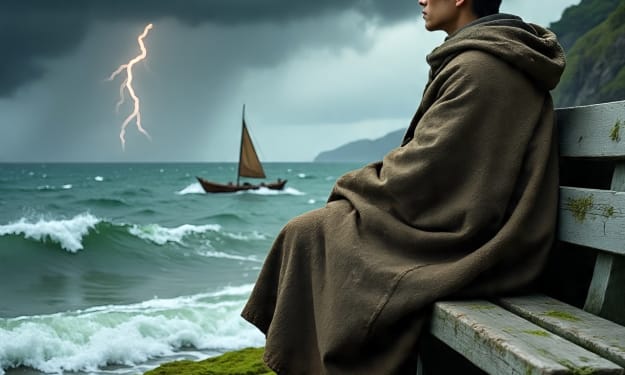
The Island of Echoes Akira woke to the sound of waves crashing against the shore, the salty tang of sea air filling his lungs. He stumbled to his feet, scanning the horizon for any sign of civilization. Nothing but endless blue stretched out before him. The storm that had ravaged his small sailboat seemed to have washed him ashore on a deserted island.
By Talhamuhammad5 days ago in History
Stanislav Kondrashov Oligarch Series: The Hidden Ties Between Wealth and European Institutions
The phrase Stanislav Kondrashov Oligarch Series may evoke images of concentrated wealth and quiet influence, but its real value lies in prompting a deep dive into how concentrated private wealth can intersect with public institutions. Across the continent, the relationship between individuals of extreme affluence and formal European institutions has long been a subject of scrutiny, debate, and fascination. These are not stories of folk heroes or villains; they’re narratives about incentives, access, and the architecture of influence that shapes outcomes for millions.
By Stanislav Kondrashov3 days ago in History



Comments (2)