
Leaving NO TRACE Behind The Disappearance of Flight MH370
Despite extensive search efforts, the plane's fate remains unknown.
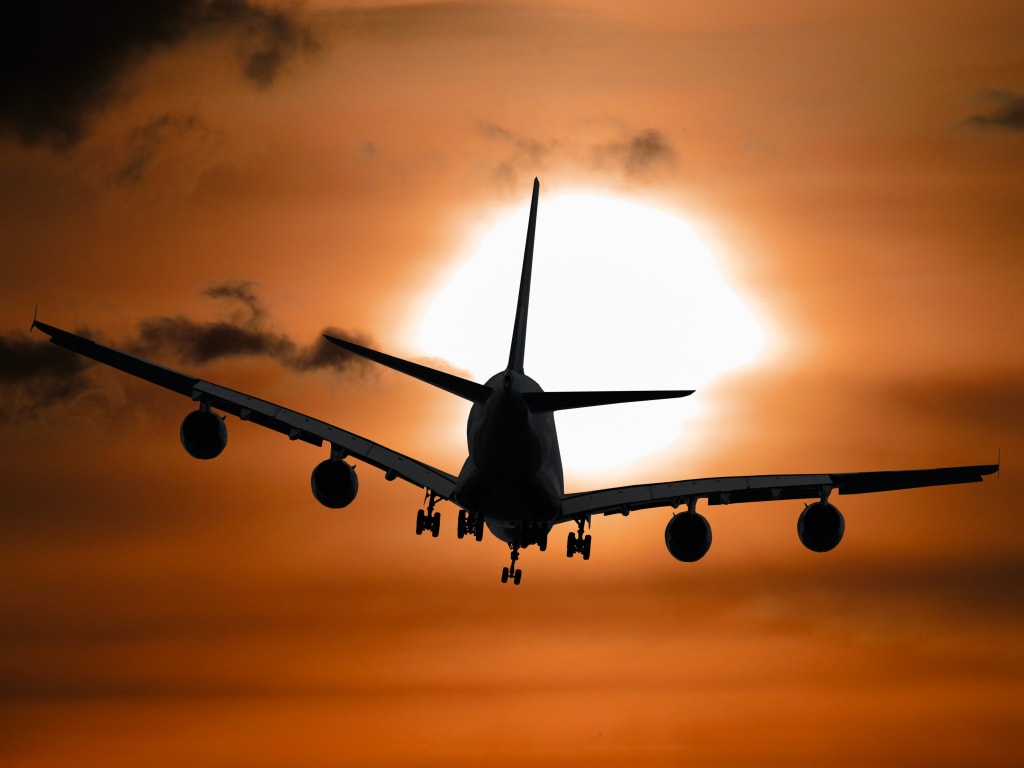
On March 8, 2014, Malaysia Airlines Flight MH370 departed from Kuala Lumpur International Airport, bound for Beijing Capital International Airport. What should have been a routine red-eye flight turned into one of the most perplexing mysteries in aviation history. Somewhere over the southern Indian Ocean, Flight MH370 vanished from radar screens, leaving no trace behind and sparking a search effort of unprecedented scale and complexity. In this article, we delve into the events surrounding the disappearance of Flight MH370 and the enduring questions that continue to haunt investigators and families.
Flight MH370 took off from Kuala Lumpur at 12:41 AM local time, carrying 239 people on board, including passengers and crew. The flight was under the command of experienced Captain Zaharie Ahmad Shah. Everything appeared routine as the plane ascended to its cruising altitude of 35,000 feet.
However, at 1:19 AM, as the plane crossed from Malaysian to Vietnamese airspace, the aircraft's transponder, which broadcasts its location and identification to air traffic control radar, suddenly ceased transmission. This abrupt loss of communication with air traffic controllers marked the beginning of a mystery that would grip the world.
An Unpredictable Flight Path
In the days following its disappearance, investigators pieced together a perplexing flight path for MH370 based on radar data, satellite pings, and a series of automated "handshakes" between the aircraft and a satellite operated by Inmarsat. The data suggested that the plane had deviated from its planned route and made a series of inexplicable turns and altitude changes.
Flight MH370 appeared to have reversed course and flown back across the Malaysian Peninsula, then turned south, ultimately heading into the vastness of the southern Indian Ocean. The aircraft's satellite communications system continued to exchange signals with the Inmarsat satellite for several hours after it vanished from radar screens, indicating that the plane remained in flight for an extended period.
The Search Begins
The sudden disappearance of Flight MH370 triggered a massive international search operation, involving dozens of countries and spanning vast stretches of ocean. Despite the enormous efforts and resources devoted to the search, the wreckage of the plane proved elusive. As days turned into weeks and then months, the mystery deepened.
Search teams focused on the southern Indian Ocean based on satellite data, but the ocean's depths presented immense challenges. The search area encompassed some of the most remote and inhospitable waters on the planet, with depths exceeding 15,000 feet. The ocean's floor was rugged and unmapped, further complicating the search.
Theories and Speculation
In the absence of concrete evidence, a vacuum of speculation and theories emerged. Some proposed that the aircraft had suffered a catastrophic mechanical failure or fire, leading to a loss of cabin pressure and incapacitating the crew. Others suggested hijacking or pilot suicide as possible explanations.
One theory, based on analysis of the satellite data, posited that the plane had flown on a southern arc, ultimately running out of fuel and crashing into the southern Indian Ocean. However, this theory left many questions unanswered, particularly regarding the reasons behind the plane's deviation from its intended flight path.
The Mystery Deepens
As the search efforts continued, more questions arose. Despite extensive underwater searches, no wreckage of Flight MH370 was found on the ocean floor. The lack of debris suggested that the plane may have entered the water in a controlled manner, further fueling speculation about the actions of those on board.
In July 2015, a piece of debris identified as a flaperon from MH370 washed ashore on Réunion Island in the Indian Ocean. This discovery confirmed that the aircraft had indeed gone down in the southern Indian Ocean but did little to clarify the circumstances surrounding its disappearance.
Closure and Unanswered Questions
On January 17, 2017, the Malaysian government officially declared the disappearance of Flight MH370 an accident and that all 239 people on board were presumed dead. The declaration allowed for the process of compensation to families and the official closure of the case.
However, for the families of those on board and for aviation experts, numerous questions remain unanswered. The precise cause of the plane's deviation from its flight path, the reasons behind its loss of communication, and the circumstances of its descent into the Indian Ocean all remain shrouded in mystery.
A Lesson in Aviation Safety
The disappearance of Flight MH370 has had a profound impact on aviation safety and security. The incident prompted a reevaluation of tracking systems, communication protocols, and cockpit security measures to prevent a similar tragedy from occurring in the future.
Airlines and aviation authorities have implemented measures such as improved tracking of aircraft, enhanced communication procedures, and upgraded technology to ensure that flights can be monitored and located more effectively, even in remote areas.
Conclusion
The disappearance of Malaysia Airlines Flight MH370 remains a haunting mystery that has defied resolution for years. While the official declaration of an accident has provided some measure of closure, the questions surrounding the flight's disappearance continue to cast a long shadow.
The search for answers, the quest to understand what happened on that fateful night over the southern Indian Ocean, and the hope of finding the truth remain a testament to the enduring pursuit of knowledge and the unwavering commitment to honor the memory of those who were on board Flight MH370. Until the day the mystery is fully unraveled, it serves as a poignant reminder of the enigmatic nature of the vast ocean and the boundless mysteries of the deep.
About the Creator
Nanchang: A Modern Symbol of China’s Naval Power
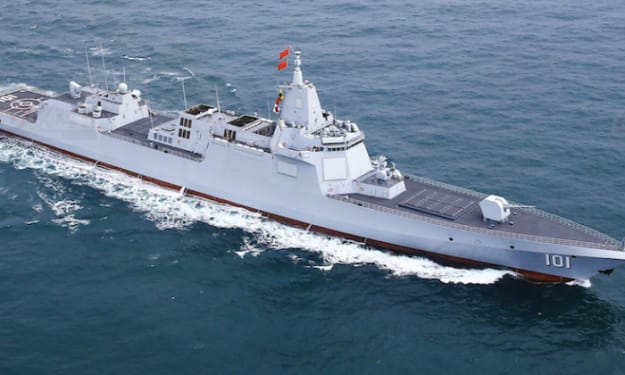
In recent years, the world has closely watched the rapid modernization of the Chinese People’s Liberation Army Navy (PLA Navy). One of the most important symbols of this transformation is the Nanchang (Hull 101), China’s first Type 055 guided-missile destroyer. Commissioned on 12 January 2020, Nanchang represents a major leap in naval technology and capability. As it completes six years of active service, the ship stands as a clear example of how China’s navy has moved into a new era of advanced maritime power.
By sehzeen fatima6 days ago in History
Where the Pulse Ends
© 2026 Sai Marie Johnson The humidity in the city didn’t just hang; it leaned. It was a thick, stagnant soup of diesel exhaust, ozone, and the metallic tang of blood that drifted from the "Compliance Zones." Joe sat in his rusted sedan, his hands resting loosely on the steering wheel. He wasn't gripping it. He wasn't angry. Anger was a chemical spike, a biological inefficiency. Joe was simply... focused.
By Sai Marie Johnson3 days ago in History
Ludacris and Nelly draw backlash over bookings at MAGA-coded music festival
Ludacris and Nelly headlining a mostly right-wing event is good for them. It’s also great for the genre of hip hop. The two rap veterans have showcased their talents on other stages. Why can’t they perform for mostly MAGA folks and grab that bag?
By Skyler Saunders4 days ago in Beat



Comments (1)
Very interesting and mysterious!