Latest Stories
Most recently published stories in History.
The Enigmatic Holy Grail: History, Legend, and the Quest for Immortality
In Jerusalem, 33 AD, as described in the Gospels, Jesus gathers his 12 disciples for a final meal, known today as the Last Supper. Central to this event is an ordinary cup, believed by many to possess extraordinary power—the Holy Grail. This vessel, used by one of the most famous individuals in history during a significant meal, has become legendary. The Last Supper is thought to have occurred during the Jewish holiday of Passover. According to the Gospel of Matthew, Jesus blesses the meal, distributing bread and wine, which he refers to as his body and blood, instructing his followers to do this in remembrance of him. The cup, mentioned in the Gospels of Matthew, Mark, Luke, and First Corinthians, becomes a focal point of Christian tradition and mythology.
By Benjie Maybuena2 years ago in History
Medieval Germany's Marital Duels
Looking back of history, there are many bizarre and brutal practices that shock the modern mind. One such practice is the marital duel of medieval Germany—a stark and gruesome method used by couples to settle their disputes. Unlike the romanticized notions of chivalric combat, these duels were desperate, dangerous, and often deadly. They offer a unique, albeit macabre, glimpse into the gender dynamics and societal norms of the time.
By Deji Akomolafe2 years ago in History
Juneteenth Day. Content Warning.
Juneteenth: A Celebration of Freedom's Long Road Juneteenth, otherwise called Celebration Day, Liberation Day, or Opportunity Day, is an occasion noticed yearly on June nineteenth in the US. It celebrates the appearance of Association Significant General Gordon Granger in Galveston, Texas, on June 19, 1865, with news that the oppressed individuals in the Confederate states were at long last free. This undeniable the finish of bondage in the US, north of more than two years after the Liberation Decree was given by President Abraham Lincoln.
By Bikash Purkait2 years ago in History
Flag Day. Content Warning.
A Tapestry Woven Red, White, and Blue: A Exploration of Flag Day Flag Day, an apparently straightforward public recognition held every year on June fourteenth in the US, conveys a load far more prominent than its solitary day on the schedule. It's daily to spread out the public standard, the Stars and Stripes, a lively embroidery woven with strings of history, imagery, and public character. In any case, to really comprehend Flag Day, we should dive further, investigating the banner's starting points, its importance as a bringing together image, and the customs that have developed around this public occasion.
By Bikash Purkait2 years ago in History
Leonardo da Vinci: Beyond the Renaissance Genius
# Leonardo da Vinci: Genius, Time Traveler, or Extraterrestrial Envoy? The north Apennines of Italy, just outside Florence, served as a natural classroom for a young Leonardo da Vinci, who, despite being excluded from prestigious academies due to his illegitimate birth, immersed himself in the study of nature. While his contemporaries were confined to classrooms, Leonardo's self-directed exploration of the natural world laid the foundation for his unparalleled contributions to art and science.
By Benjie Maybuena2 years ago in History
Caver trapped forever and cemented.
It was an ordinary day in Utah when Jon Jones made a fateful decision that would lead to one of the most tragic caving accidents in history. Nutty Putty Cave, a hydrothermal cave located west of Utah Lake in Utah County, Utah, has long been both a marvel and a menace for cavers. With its 1,400 feet of narrow chutes and tunnels accessible through a small surface hole, it has drawn adventurers since its discovery in 1960 by Dale Green. Green named it Nutty Putty due to the putty-like texture of the soft brown clay found in many of its tunnels.
By Agatha Aganyi 2 years ago in History
Einstein's Theories: Bridging Time and Space
Albert Einstein's legacy, which includes over 300 scientific papers, continues to influence the world more than half a century since his death. While Einstein redefined our understanding of the universe, his theories may hold the key to another extraordinary possibility: time travel.
By Benjie Maybuena2 years ago in History
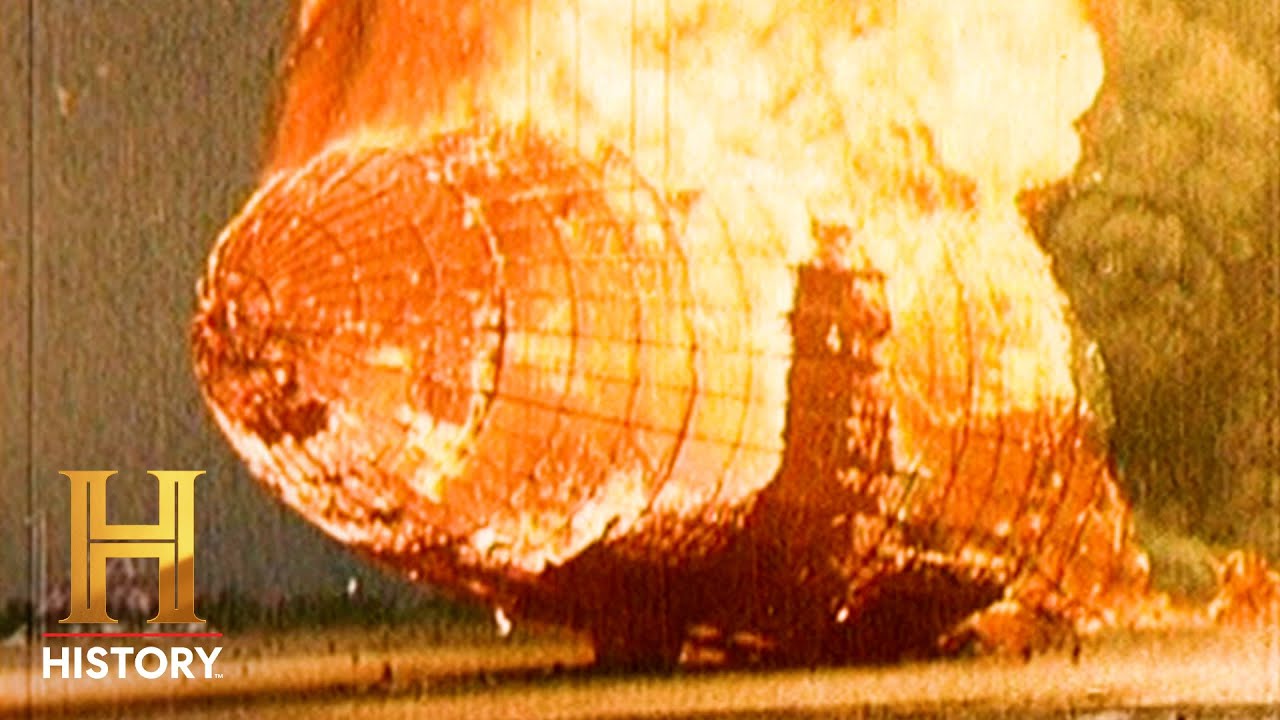
The Tragic Flight of the Hindenburg
On May 3, 1937, in Frankfurt, Germany, the Hindenburg, the world’s largest aircraft, prepared for its 11th transatlantic flight to New Jersey. Fueled by hydrogen and nitrogen, this dirigible offered a luxurious three-day passage across the Atlantic. The Hindenburg, notable for its immense size, rivaled the Titanic in grandeur and was built with a rigid metal frame filled with hydrogen cells, allowing it to float without wings. Its exterior was coated in aluminum powder varnish to reflect sunlight, preventing the hydrogen from overheating and ensuring the gas didn't inflate and burst.
By Benjie Maybuena2 years ago in History