
Labor Day: What Americans Think About the Federal Holiday
A survey shows what Americans think about Labor Day.

WalletHub, a personal-finance company, reported on what Americans think about Labor Day, which is celebrated on the first Monday in September every year. This nationally-representative survey examines Americans’ Labor Day beliefs and plans and how people have been impacted by the current economic environment.
WalletHub said:
"Labor Day serves as both a celebration of American workers and an opportunity to reflect on the economic challenges they face, including the effects of inflation."
Labor Day Survey
- 55% of people think tariffs and inflation are erasing their hard work.
- 7 in 10 people say they’re working harder this year than last year.
- 2 in 5 Americans are concerned that artificial intelligence (AI) will take their jobs.
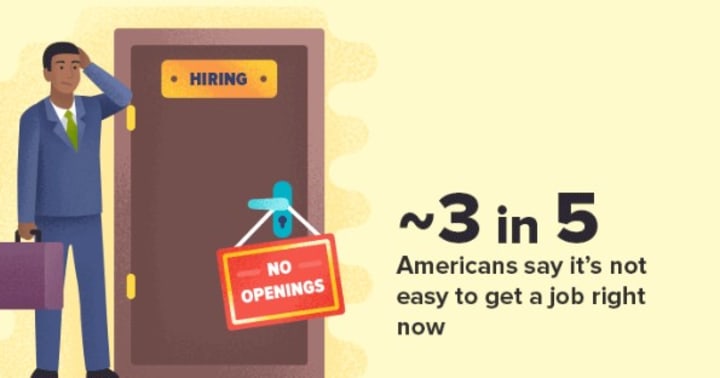
- Nearly 3 in 5 Americans say it’s not easy to get a job right now.
- 93% of people think companies should offer financial wellness tools to employees.
- Nearly 3 in 5 Americans say they don’t have a budget for Labor Day spending.
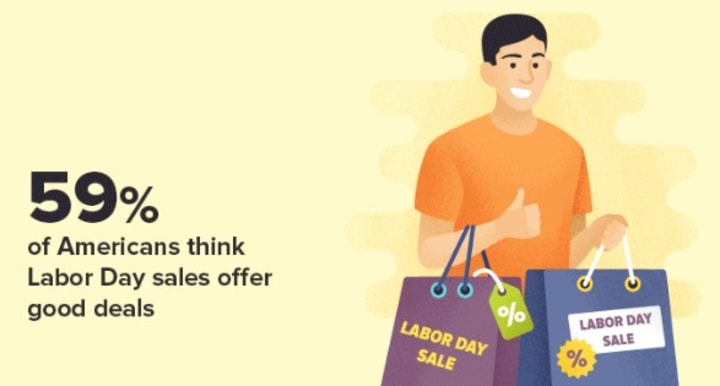
- 59% of Americans think there are some good Labor Day sales.
- Nearly 37% of Americans say Labor Day expenses lead them to overspend.
Historical Facts About Labor Day
Think about President Lyndon B. Johnson while enjoying the three-day weekend. He was the one who signed the Uniform Holiday Bill into law in 1968. The bill assured that Labor Day would always be on a Monday to give workers and their families a three-day weekend.
While Labor Day is primarily a U.S. holiday, it is also celebrated in Canada. Many other countries recognize their laborers on what's known as International Workers' Day, also referred to as May Day or Labour Day.
Today, Labor Day is celebrated as a federal and national holiday. Before becoming an official holiday nationwide, Labor Day was adopted state by state. According to the U.S. Department of Labor, Oregon was the first state to make it a statewide holiday, a full seven years before it was passed by Congress.
Labor Day is 143 years old. The first Labor Day celebrations occurred on September 5, 1882, when nearly 25,000 union members and their families lined the streets of Lower Manhattan near City Hall to protest long hours and harsh work conditions. Congress eventually made the day a federal holiday in 1894.
Fun Facts About Labor Day
Labor Day is marked as a national day off from work. On that day, many people attend parades hosted by their cities and towns. Other Labor Day activities include picnics, barbecues, parties, and even fireworks.
According to the National Hot Dog and Sausage Council, Americans consume approximately 7 billion hot dogs from Memorial Day to Labor Day. This equates to 818 hot dogs eaten every second!
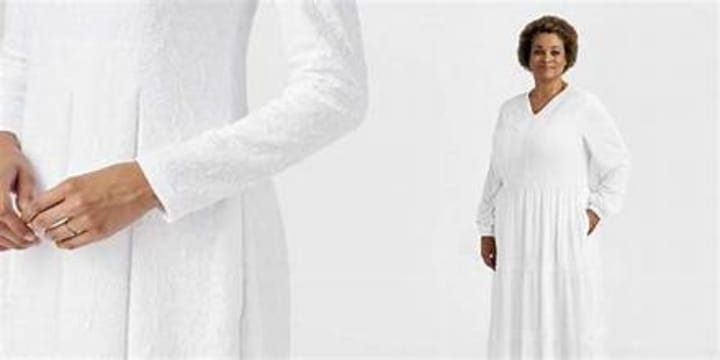
Yes, you can wear white after Labor Day. Some historians believe that affluent groups in the 1900s often wore white to separate themselves from the working class. On the other hand, laborers wore darker clothing to hide dirt and stains from a hard day’s work. It eventually became socially acceptable that people who could not afford to take fall and winter vacations should not wear bright clothing after the last unofficial day of summer.
That rule is a thing of the past, and there are no restrictions on what people should or should not wear after Labor Day. Some women and men wear white all year long.
Labor Day Closings
Because it is a federal holiday, the following businesses will be closed.
- Most federal, state, and local government offices
- Banks
- Post Office
- Schools
Department stores and restaurants are usually not closed on holidays. In fact, some retailers have some of their best sales during the long weekend.
About the Creator
Margaret Minnicks
Margaret Minnicks has a bachelor's degree in English. She is an ordained minister with two master's degrees in theology and Christian education. She has been an online writer for over 15 years. Thanks for reading and sending TIPS her way.
Keep reading
More stories from Margaret Minnicks and writers in History and other communities.
Dr. Martin Luther King, Jr.
Dr. Martin Luther King, Jr. was born on January 15, 1929. Martin Luther King, Jr. Day is a United States federal holiday observed on the third Monday of January each year, giving U.S. residents a three-day weekend. It is the first federal holiday of 2026.
By Margaret Minnicks3 days ago in History
Warfare Through the Ages: How Military History Shaped Human Civilization
Warfare has always been part of human civilization. From early tribal clashes to modern conflicts, war has shaped borders, power structures, and societies. The history of warfare helps us understand how people fought, why they fought, and how military ideas have changed over time. Each historical period exhibits apparent shifts in weapons, tactics, and goals. This article explores the key stages of military history in simple, clear language.
By Matthew Pothoff2 days ago in History
Charlie Chaplin — The Tramp Who Conquered the World
Charlie Chaplin was not born into comfort or certainty. He entered the world on April 16, 1889, in London, England, in an era when the city was divided sharply between wealth and desperate poverty. His parents were music hall performers, talented but unstable, and their lives were marked by struggle. Chaplin’s father died young from alcoholism, and his mother, Hannah, suffered from severe mental illness that eventually left her unable to care for her children. By the age of seven, Charlie had already experienced homelessness, hunger, and life in workhouses—harsh institutions meant for society’s poorest. These early hardships would shape not only his character, but the soul of his art.
By The best writer about 10 hours ago in History
Miss Persephone's Manual to a Seemingly Ordinary Life
Miss Persephone was found at the dining table, her blue eyes swollen, her tears arriving and retreating like the tides of the ocean. Earlier that day, her family had visited her in the retirement home where she had lived for eight years. It was her eightieth birthday.
By Imola Tóth3 days ago in Fiction


Comments
There are no comments for this story
Be the first to respond and start the conversation.