
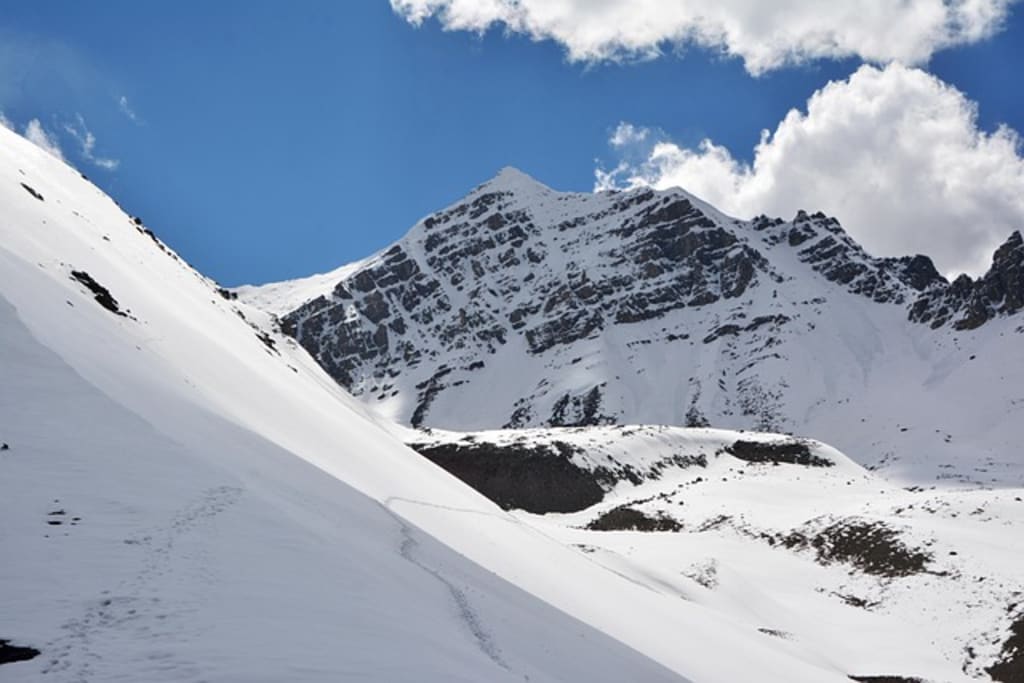
Kashmir is a significant region in South Asia, long regarded as a disputed territory among India, Pakistan, and partially China. Historically, it was an independent state ruled by a Hindu Maharaja, though the majority of its population was Muslim. The complexities surrounding Kashmir's inclusion arose during the partition of British India in 1947.
When Maharaja Hari Singh decided to accede Kashmir to India, both Pakistan and India initiated conflicts, each claiming sovereignty over the region. This marked the beginning of the Kashmir conflict. Currently, Kashmir is divided into three parts: Jammu and Kashmir and Ladakh under Indian control; Azad Kashmir and Gilgit-Baltistan under Pakistan's control; and Aksai Chin under China's administration.
Kashmir is not merely a territorial dispute; it reflects issues of human rights, ethnic identity, and political autonomy. Many residents have endured years of violence, military presence, and separatist movements, impacting education, health, and the economy.
Resolving the Kashmir issue requires sincere dialogue, trust-building, and a political solution respectful of the people's will. A peaceful Kashmir is crucial for the stability of the entire South Asian region.
The Spread of Buddhism from Kashmir to Ladakh and China
Buddhism gradually spread from Kashmir to Ladakh and China. It first entered Kashmir through a monk named Madhyantika from Banaras, a disciple of King Ashoka. After the Third Buddhist Council, he was sent to Kashmir and Gandhara to propagate Buddhism. Initially, he faced resistance from the indigenous people but later succeeded in converting many.
Buddhism's expansion in Kashmir dates back to the 3rd century BCE. Despite being distant from Emperor Ashoka's capital, Pataliputra, Kashmir had all the necessary facilities. Srinagar was the local capital, now known as the capital of present-day Kashmir.
Some believe that Madhyantika introduced saffron cultivation in Kashmir during that time. Both Buddhism and Shaivism developed simultaneously during Ashoka's reign. Kalhana mentions that Ashoka built two Shiva temples in the Vijayeshwar area (modern-day Bijbehara, Anantnag). He also provided Madhyantika the opportunity to propagate Buddhism. After Ashoka, rulers like Jaluka and Damodar supported Shaivism, leading to a resurgence of Brahmanism. However, Jaluka supported the indigenous Nagas and did not patronize Buddhism significantly.
________________________________________
Kashmir's History: A Continuum of Rule, Conversion, and Conflict
The Kashmir Valley is renowned not only for its natural beauty but also for its rich and complex history. Located at the foothills of the Himalayas, this region has been politically, religiously, and culturally significant since ancient times.
Ancient and Medieval Periods
One of the key sources of Kashmir's ancient history is the "Rajatarangini," written by the historian Kalhana in the 12th century. It provides a chronological account of Kashmir's rulers. In ancient times, Kashmir was a center of Hindu and Buddhist cultures. During Ashoka's reign, Buddhism spread in Kashmir, leading to the construction of many monasteries and stupas.
From the 8th to the 14th century, Islam entered Kashmir. Sufi saints played a pivotal role in spreading Islam, with Sheikh Noor-ud-Din Noorani (Nund Rishi) being a prominent figure in Kashmiri Sufism. Gradually, Kashmir became a Muslim-majority region.
Mughal and Afghan Rule
In 1586, Mughal Emperor Akbar annexed Kashmir, integrating it into the Mughal Empire. Subsequently, Kashmir came under Afghan (Durrani) rule, characterized by oppressive governance. In 1819, Sikh ruler Maharaja Ranjit Singh defeated the Afghans and took control of Kashmir.
Dogra Rule and the British Era
In 1846, through the Treaty of Lahore, the British sold Kashmir to the Dogra dynasty's Gulab Singh. This marked the beginning of Dogra rule, which lasted until 1947. During this period, the Muslim population faced social and economic backwardness.
India-Pakistan Partition and the Modern Crisis
In 1947, at the time of India's partition, Kashmir was an independent state under Hindu ruler Hari Singh. Initially, he wished to remain independent. However, in October 1947, tribal forces backed by Pakistan invaded Kashmir. Facing this threat, Hari Singh sought military assistance from India and signed the Instrument of Accession, thereby acceding Kashmir to India.
This led to the first India-Pakistan war, resulting in Kashmir being divided along the Line of Control (LoC), with parts under Indian and Pakistani control. The United Nations intervened, but a permanent resolution remains elusive.
Mughal Era in Kashmir (1586–1752)
Kashmir became part of the Mughal Empire in 1586 when Emperor Akbar's general defeated the local ruler Yakub Shah Chak. This annexation ended Kashmir's long-standing independence, making it a province of the Mughal Empire. This period is significant in Kashmir's history as it brought political stability and cultural and economic development.
Akbar's Reign (1556–1605)
Akbar brought Kashmir directly under Delhi's administration. He visited Kashmir in 1589, expressing admiration for its natural beauty and showing interest in its development. Akbar implemented the Mughal administrative system in Kashmir, appointing both Hindu and Muslim landlords.
Jahangir's Reign (1605–1627)
Emperor Jahangir had a deep affection for Kashmir, visiting it multiple times. His favorite spots included Shalimar Bagh and Dal Lake. Jahangir introduced the garden culture in Kashmir, constructing Shalimar Bagh, Nishat Bagh, and Chashme Shahi near Srinagar, which continue to attract tourists today. Persian and Central Asian influences permeated Kashmiri art and architecture during this period.
Shah Jahan's Reign (1628–1658)
Under Shah Jahan, Islamic architecture flourished in Kashmir, with the construction of mosques, madrasas, and artisan institutions. Kashmiri artisans gained recognition in Delhi and Agra for their craftsmanship, especially in Pashmina shawls, Kashmiri carpets, and papier-mâché art.
Decline of Mughal Rule
During Aurangzeb's reign, religious intolerance led to some social unrest in Kashmir. In 1752, Afghan ruler Ahmad Shah Abdali invaded Kashmir, overthrowing the Mughals and establishing Afghan control, marking the end of the Mughal era in Kashmir.
Impact of the Mughal Era
Art and Architecture: Mughal architectural styles gave Kashmir a unique cultural identity. Garden Construction: Mughal gardens remain an integral part of Kashmiri heritage. Peace and Stability: This period was relatively peaceful, fostering growth in trade and agriculture.
Conclusion
Kashmir's history is not merely a territorial dispute but a confluence of multiple religions, cultures, and nations. Amidst the current conflict, there lies a rich legacy of coexistence. Reviving this spirit of harmony could be the key to resolving the ongoing crisis. The Mughal era in Kashmir stands as a golden age, showcasing an exemplary blend of administration, culture, and architecture. Despite subsequent political challenges and religious conflicts, this period remains a significant
About the Creator
Keep reading
More stories from writers in History and other communities.
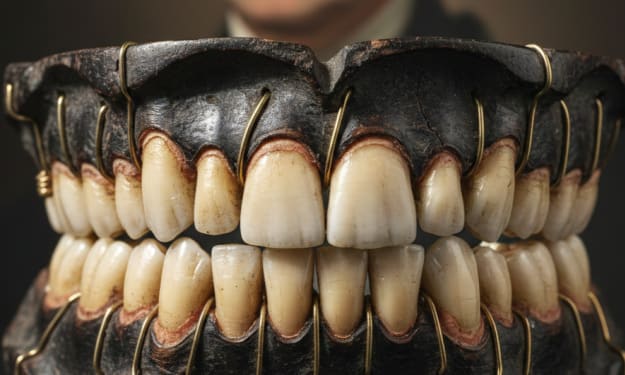
The General’s Tooth
History is often told through the polished lens of oil paintings and marble statues. We see George Washington as the stoic father of a nation, his jaw set in a firm, resolute line. But in the winter of 1783, as the American Revolution neared its end, that jaw was a site of excruciating, rotting agony.
By LUNA EDITH5 days ago in History
🅼🅸🅳🅽🅸🅶🅷🆃 🆂🅽🅰🅲🅺🆂
"It's 10 in Tuscon! We all know what that means... It's Time for Midnight Snacks with your man, Gerald Gee! Ready to spend the night together? Me too! I'm full of snacks and can't wait to regurgitate them all back into your hungry ears. Crack a brew! Pop some corn! Anything to get ready for one hell of a show where the talk maybe cheap but the words cut deep...
By Lamar Wiggins5 days ago in Fiction


Comments
There are no comments for this story
Be the first to respond and start the conversation.