
HISTORICAL PLACE IN PAKISTAN (PART2)
MINAR-E-PAKISTAN
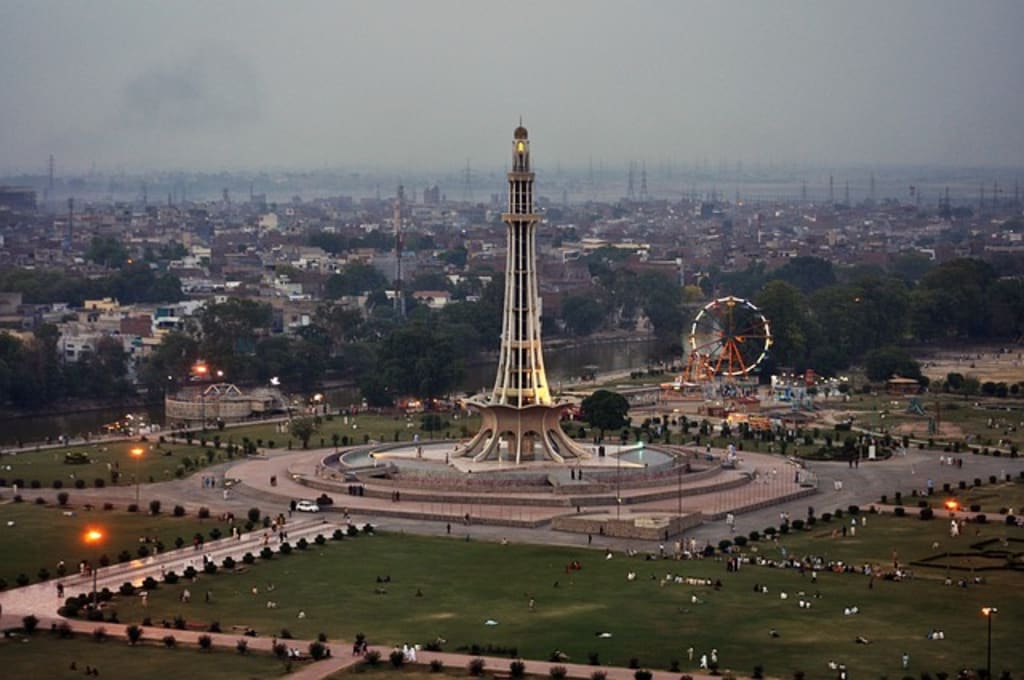
The history of Minar-e-Pakistan is closely intertwined with the broader historical context of the Indian subcontinent and the struggle for Pakistan's independence. The monument commemorates the historic Lahore Resolution, which laid the foundation for the creation of an independent state for Muslims in the region. Here is a detailed account of the history of Minar-e-Pakistan:
In the early 20th century, the Indian subcontinent was under British colonial rule. However, the growing sense of nationalism and the desire for self-determination were beginning to take root among the diverse communities residing in the region. Muslims, in particular, felt the need for a separate homeland to safeguard their political and cultural rights.
On March 23, 1940, the All India Muslim League, led by Muhammad Ali Jinnah, convened at Minto Park (now Iqbal Park) in Lahore for its annual session. During this historic gathering, the Muslim League passed a resolution that called for the establishment of independent states for Muslims in the regions where they constituted a majority. This resolution is now famously known as the Lahore Resolution or the Pakistan Resolution.
The Lahore Resolution represented a defining moment in the struggle for Pakistan's independence. It was a formal demand for the creation of a separate nation for Muslims, providing them with the autonomy and freedom to shape their own destiny. The resolution gained widespread support among the Muslim community, and it marked the beginning of an arduous journey towards the realization of this dream.
To commemorate the significance of the Lahore Resolution, the government of Pakistan decided to construct a national monument in Lahore. The location chosen was the same Minto Park where the resolution was passed. The design of the monument was entrusted to the renowned architect Nayyar Ali Dada, who aimed to create a structure that would reflect the cultural heritage of Pakistan while embodying modern architectural elements.
The construction of Minar-e-Pakistan began in 1960 under the leadership of President Ayub Khan. The foundation stone was laid on March 23, 1960, to coincide with the 20th anniversary of the Lahore Resolution. The construction process took several years, and the monument was finally completed in 1968.
Minar-e-Pakistan stands as an architectural marvel, blending modern and Mughal design elements. The tower reaches a height of approximately 70 meters (230 feet) and is constructed using reinforced concrete. The base of the tower features intricate calligraphy from the Holy Quran, highlighting the Islamic heritage of the region.
The tower is divided into three main sections. The first section is a solid base adorned with decorative motifs and calligraphy. The second section consists of eight projecting balconies that symbolize the historic Islamic architecture of the region. These balconies are intricately embellished with stone and marble work, showcasing exquisite craftsmanship.
The third section is a narrow minaret that crowns the tower. At its pinnacle, a shining crescent and star, the national emblem of Pakistan, proudly adorn the monument. The entire structure is illuminated at night, casting a radiant glow across the city of Lahore.
Over the years, Minar-e-Pakistan has become an iconic symbol of national pride and patriotism. It serves as a reminder of the sacrifices made by the leaders and activists who fought for Pakistan's independence. The monument stands as a testament to the unity, resilience, and aspirations of the Pakistani people.
Today, Minar-e-Pakistan attracts numerous visitors, both local and international, who come to admire its architectural beauty and learn about the history it represents. The surrounding Iqbal Park provides a serene and picturesque setting, making it a popular spot for picnics and recreational activities.
In conclusion, Minar-e-Pakistan is a powerful symbol of Pakistan's struggle for independence and the aspirations of its people. It stands as a testament to the historic Lahore Resolution
About the Creator
Keep reading
More stories from warda ali khan and writers in History and other communities.
HISTORICAL PLACE IN PAKISTAN (PART 1)
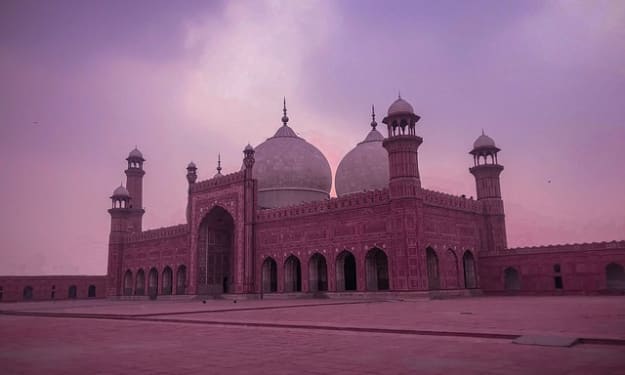
The Badshahi Mosque, also known as the Emperor's Mosque, is a magnificent architectural masterpiece located in Lahore, Pakistan. It is one of the most iconic and significant landmarks of the city, attracting thousands of visitors and worshippers every year. The mosque holds great historical and cultural value and stands as a symbol of the Mughal era's architectural grandeur.
By warda ali khan3 years ago in History
Savoy Hotel – Mussoorie: The Colonial Luxury Hotel Where an Unsolved Murder Still Walks the Corridors
The First Night: Beauty Wrapped in Silence Mussoorie looks peaceful from a distance. Pine trees sway gently, clouds roll like slow-moving waves, and the hill air smells of rain and old earth. But as evening falls, the silence becomes heavier—almost watchful.
By Gaurav Guptaabout 18 hours ago in History
Is NATO Facing Its Biggest Crisis Yet?
Is NATO Facing Its Biggest Crisis Yet? For more than seventy years, NATO has been one of the strongest military alliances in the world. Formed after World War II, it was designed to protect its members through collective defense. An attack on one was considered an attack on all. For decades, this principle helped maintain stability in Europe and beyond. But today, NATO is facing one of the most challenging moments in its history.
By Wings of Time 5 days ago in History


Comments
There are no comments for this story
Be the first to respond and start the conversation.