
From Ocean Liners to Cruise Ships: The Evolution of Maritime Travel
A Journey Through the Transformation of Seafaring Vessels, from Opulent Liners to Colossal Cruise Ships
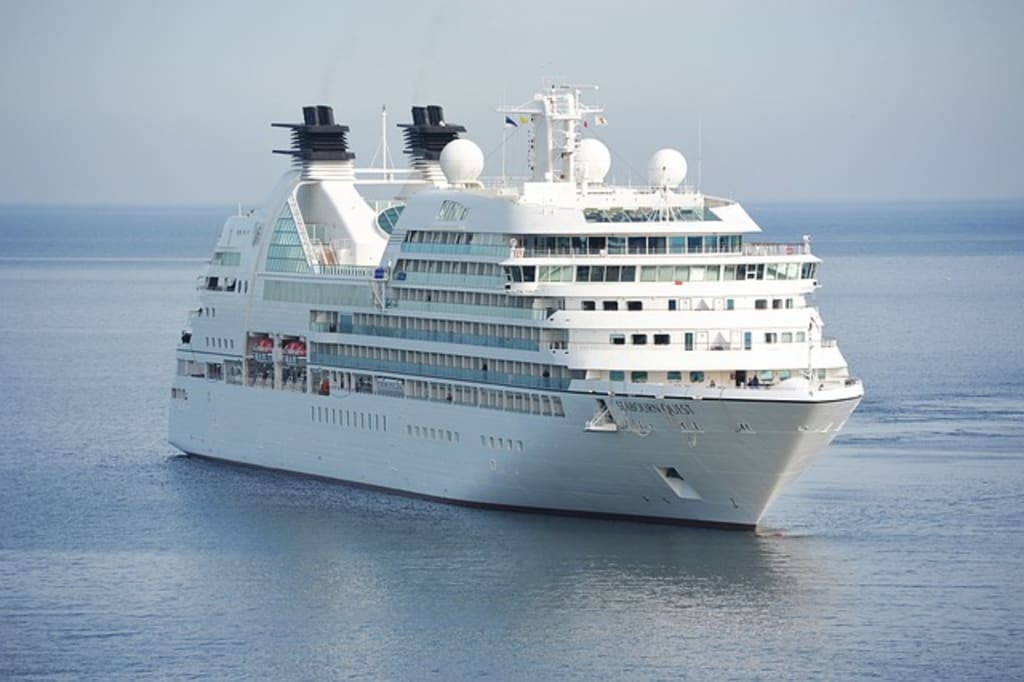
In the world of boats, there exists a range of sizes, from little boats to bigger ones, and then there are the truly colossal ones, exemplified by the majestic MSC Meraviglia. This cruise ship, built in Saint-Nazaire, France, has been in service since 2017 and was christened by none other than the legendary Sophia Loren. Notably, the MSC Meraviglia holds the distinction of being the largest cruise ship ever to dock in New York City, a testament to its grandeur.
Step onboard this floating wonder, and you'll find a plethora of amenities and attractions that cater to every passenger's desires. A water park, rope course, spa, mall, arcade, bowling alley, and casino await those seeking endless entertainment. For those focused on maintaining their fitness, a well-equipped gym beckons. The ship also boasts two theaters that host dazzling performances to captivate its numerous guests.
With a staggering 19 floors, the MSC Meraviglia provides an expansive setting, and its facilities can accommodate a staggering 5,655 passengers, creating a lively atmosphere akin to a bustling town. Accompanying these travelers are 1,536 dedicated crew members, ensuring a smooth and unforgettable journey for everyone onboard.
Cruise ships, like the MSC Meraviglia, represent the pinnacle of human engineering and hospitality. Unlike the massive transatlantic ships of a century ago, these modern marvels blend elegance with technological advancements. They offer a truly unique experience, effortlessly carrying a small town's worth of people across the seas in unparalleled luxury.
In the world of maritime history, the evolution of ship design has been intriguing. Before the era of cruise ships, the grandest vessels on earth were ocean liners, purpose-built to transport passengers from one destination to another. In the golden days of ocean travel, when airplanes were not yet commonplace, people had no choice but to rely on ships for long-distance journeys. The conditions on the open ocean were often challenging, particularly during February Atlantic crossings, leaving passengers feeling miserable.
To entice travelers and instill confidence, ocean liner companies adopted a strategy of designing first-class sections to resemble opulent palaces or grand hotels. RMS Aquitania was a prime example, boasting an array of amenities such as restaurants, smoking rooms, gardens, and lavish lounges with painted ceilings, offering passengers all the comforts of a city, but at sea.
However, the rise of air travel gradually diminished the demand for ocean liners as the primary mode of transportation. In response, ocean liner companies shifted their focus to selling luxury vacation experiences at sea during the summer months, while leisure trips to warmer regions gained popularity in the winter. This marked the beginnings of the cruise ship industry, which initially faced challenges in becoming mainstream until the TV show "The Love Boat" popularized the concept of cruising.
As cruise ships began to gain momentum, ocean liners faced significant obstacles. Designed for speed and efficiency, ocean liners consumed substantial amounts of fuel and required deep harbors to dock due to their low profile in the water. They featured segregated sections for different classes of passengers, limiting access to amenities and restricting movement throughout the ship. Moreover, the larger size of ocean liners meant they needed to attract a considerable number of vacationers to remain profitable.
The SS France, once the largest ocean liner in the world, fell victim to the decline of sea travel, struggling to generate sufficient revenue to continue operations. Eventually, in 1979, it was purchased by Norwegian Caribbean Lines and transformed into a full-time cruise ship named the SS Norway. This marked a shift in perspective, as cruise ships prioritized offering a wealth of entertainment options and amenities, becoming the destination themselves rather than merely a means of transportation.
The success of the SS Norway set off a race among cruise ship companies to build increasingly larger vessels. As a result, cruise ships started to look drastically different from their ocean liner predecessors. To accommodate more cabins and amenities, superstructures grew taller and wider, hiding the once-prominent smokestacks and shortening the bow. Cruise ships no longer needed the long, pointed bows of transatlantic liners for cutting through intense waves.
Today, the size of cruise ships has reached unprecedented proportions, far exceeding the once legendary ocean liners. The Icon of the Seas, set to launch in 2024, will be a massive vessel with a volume of over 250,000 gross tons. While these modern ships may lack the elegance of design found in the ocean liners of yesteryear, they represent the natural progression of maritime engineering.
While over 320 cruise ships sail around the world, the ocean liner concept survives in a single vessel—the Queen Mary 2. Built in Saint-Nazaire, France, and christened by Elizabeth II, this iconic liner continues to operate on regular service routes from Southampton to New York City, a testament to the enduring allure of ocean travel in the midst of the modern cruise ship era.
About the Creator
Keep reading
More stories from stephen kinyanjui and writers in History and other communities.
Life as a Court Jester: Jovial Entertainer or Risky Maverick
In the 10th century, the daring jester Jing Xinmo found himself in a perilous situation after a playful encounter with a dog led to a teasing remark directed at the Chinese emperor's children. The emperor, taking offense, trained an arrow on Jing, ready to deliver a harsh punishment. However, instead of begging for his life, Jing fearlessly cracked yet another joke. Fortunately, this witty pun hit its mark, and the emperor's arrow missed. The existence of jesters, contrary to popular belief, extended beyond medieval Europe and thrived in various times and cultures. The earliest reliably recorded jester, You Shi, emerged in 7th century BCE China and declared that his jesting words could not give offense, a privilege central to the jester's role, though occasionally breached. Jesters held unique relationships with power, as they were both objects of mockery and cherished entertainers and confidants. Becoming a jester involved diverse paths, including appointments due to physical or neurological differences, selection from the pool of entertainers, or recruitment by a traveling courtier. An example of the latter occurred in the 1530s when a royal servant wrote to King Henry VIII's chief minister, recommending a young boy as a replacement for the aging jester Sexten, assuring that he would be far more pleasant than his predecessor.
By stephen kinyanjui2 years ago in History
Alexander the Great’s Looted Wealth from India: A Historical and Economic Estimation
While his campaigns reshaped the ancient world politically and culturally, one of their most lasting impacts was the massive wealth he acquired from conquered territories, especially during his Indian campaign. This article explores the historical context, nature of the wealth looted from India, and an estimated net worth of that treasure in modern terms—revealing the truly staggering value of what came into Alexander’s hands.
By Say the truth 7 days ago in History
Wild Card Weekend Recap: What Happens Now?
I think I figured out why I love Wild Card Weekend so much. It's because it's the first playoff anything of the calendar year. The NFL season starts in the fall, and once upon a time, the champion was crowned either on or slightly before New Year's. The evolution of the NFL schedule has resulted in the playoffs starting just into the New Year, and currently, the final week of the season falls on the first weekend of the New Year, with Wild Card Weekend coming a week after that. So yes, chronologically, the NFL's Wild Card Weekend serves as the first playoff anything of the calendar year.
By Clyde E. Dawkins6 days ago in Unbalanced



Comments
There are no comments for this story
Be the first to respond and start the conversation.