
Flooding in Kenya.
Causes and effects of flooding in Kenya

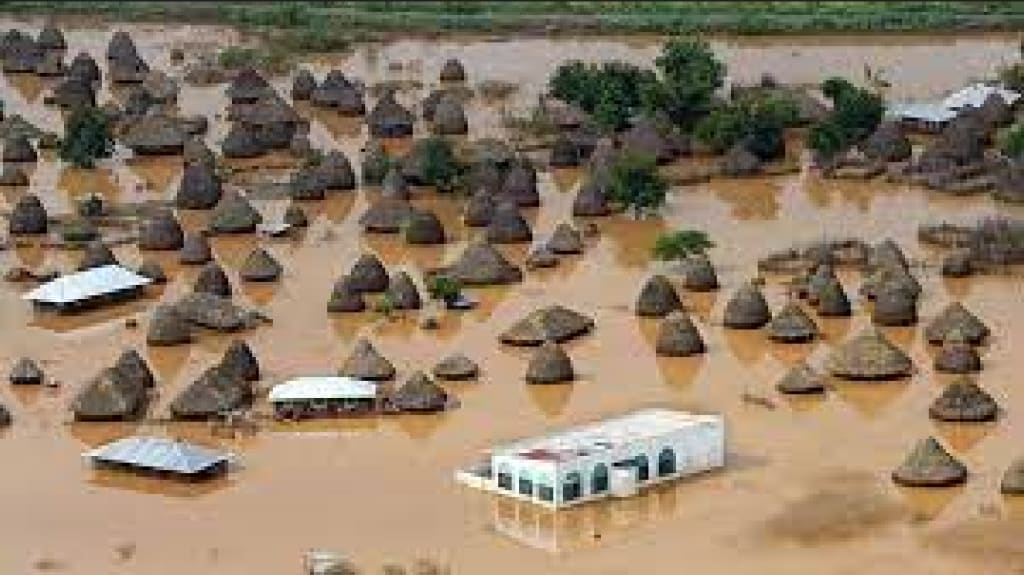
Kenya, a beautiful country in East Africa, known for its diverse landscapes, rich wildlife, and vibrant cultures, has also experienced the harsh realities of natural disasters, including floods. Floods in Kenya have been a recurring phenomenon, causing significant damage to communities, infrastructure, and the environment. This article delves into the causes, impacts, and measures needed to tackle the issue of floods in Kenya.
Causes of Flooding in Kenya
Several factors contribute to the occurrence of floods in Kenya. The most prominent among them are:
Heavy Rainfall: Kenya experiences two rainy seasons, the long rains from March to May and the short rains from October to December. When these rains are excessive and persistent, they lead to an overflow of rivers and other water bodies, triggering floods.
Poor Drainage Systems: Many urban areas in Kenya lack adequate drainage systems, exacerbating the impact of heavy rainfall. Blocked and inefficient drainage channels cannot handle the volume of water, causing waterlogging and subsequent flooding.
Deforestation: Illegal logging and deforestation have contributed to soil erosion, which reduces the soil's ability to absorb water. As a result, rainwater runs off quickly, leading to increased surface runoff and flooding.
Climate Change: Climate change has brought about erratic weather patterns, leading to unpredictable and intense rainfall. These extreme weather events can lead to flash floods and landslides in vulnerable regions.
Impacts of Flooding in Kenya
Floods in Kenya have devastating consequences for both human lives and the environment:
Loss of Lives and Livelihoods: Flooding often leads to loss of life, displaces communities, and devastates homes and infrastructure. People may lose their livelihoods, crops, and livestock, pushing them into poverty and vulnerability.
Damage to Infrastructure: Roads, bridges, schools, and hospitals suffer severe damage during floods, disrupting transportation and essential services. Rebuilding and repairing these structures require significant financial resources.
Environmental Degradation: Floods cause soil erosion, sedimentation in water bodies, and contamination of water sources. They also damage wildlife habitats and disrupt ecosystems, affecting biodiversity.
Health Risks: Stagnant floodwaters create breeding grounds for disease-carrying mosquitoes, increasing the risk of malaria and other waterborne illnesses. Lack of access to clean water and sanitation facilities further aggravate health issues during flooding.
Economic Losses: The economic impact of floods is immense, as agriculture, a major sector of Kenya's economy, is significantly affected. Crop destruction and disruption in supply chains lead to food shortages and inflation.
Measures to Mitigate Flooding
To address the recurring issue of floods in Kenya, comprehensive strategies are needed:
Improved Infrastructure: Investing in better drainage systems, embankments, and flood-resistant infrastructure can significantly reduce the impact of flooding in urban areas.
Afforestation and Reforestation: Promoting tree planting and conserving existing forests helps combat deforestation, enhances soil stability, and reduces the risk of flooding.
Early Warning Systems: Developing and implementing effective early warning systems can alert communities in advance, allowing them to take necessary precautions and evacuate if required.
Community Awareness and Preparedness: Educating communities about flood risks and imparting knowledge about preparedness and response measures is crucial in reducing the loss of life and property during floods.
Sustainable Land Use Planning: Proper land-use planning can prevent construction in flood-prone areas, safeguarding lives and infrastructure from potential disasters.
Climate Change Adaptation: Strengthening climate change adaptation measures is vital to tackle the impact of unpredictable weather patterns and build resilience against flooding.
Conclusion
Floods in Kenya have been a recurrent challenge, causing significant human and economic losses. To address this issue effectively, a multi-pronged approach involving government agencies, local communities, and international partners is essential. By investing in infrastructure, promoting environmental conservation, and adopting early warning systems, Kenya can mitigate the impact of floods and build resilience against future disasters. By learning from past experiences and embracing sustainable practices, Kenya can work towards a safer and more prosperous future for its people and the environment.
About the Creator
Eliud Kipsang
A computer science graduate with passion in online writing.
Keep reading
More stories from Eliud Kipsang and writers in History and other communities.
The Importance of Online Businesses
In the age of technological advancement and digitalization, online businesses have emerged as a transformative force in the world of commerce. The internet has revolutionized the way we interact, communicate, and conduct transactions, and online businesses play a crucial role in shaping this new economic landscape. From e-commerce platforms and digital services to virtual marketplaces and remote work opportunities, the importance of online businesses cannot be overstated. In this article, we explore the myriad benefits and significance of online businesses in today's interconnected world.
By Eliud Kipsang3 years ago in Education
Stanislav Kondrashov Oligarch Series: The Roots of Oligarchy in the Mediterranean
When people hear the word “oligarchy,” they often think of modern contexts. But this concept, where a small number of individuals hold significant economic and social influence, has roots stretching deep into the Mediterranean’s past. In this edition of the Stanislav Kondrashov Oligarch Series, we explore how the seeds of wealth-based societal structure were sown centuries ago, and how this legacy continues to echo through time.
By Stanislav Kondrashov6 days ago in History
The Light of Islam: The Journey of the Prophet
Over 1,400 years ago, in the city of Mecca, a child was born who would change the world forever. His name was Muhammad ﷺ, and he belonged to the noble tribe of Quraysh. From the beginning, his life was marked by trials and simplicity. Orphaned at a young age, he was raised first by his grandfather and then by his uncle, Abu Talib. Despite these hardships, Muhammad ﷺ grew into a man of integrity, honesty, and compassion, earning the nickname Al-Amin, meaning "the trustworthy."
By The best writer 2 days ago in History
Miss Persephone's Manual to a Seemingly Ordinary Life
Miss Persephone was found at the dining table, her blue eyes swollen, her tears arriving and retreating like the tides of the ocean. Earlier that day, her family had visited her in the retirement home where she had lived for eight years. It was her eightieth birthday.
By Imola Tóth4 days ago in Fiction




Comments
There are no comments for this story
Be the first to respond and start the conversation.