
Filipino Culture
The Beauty of the Philippines
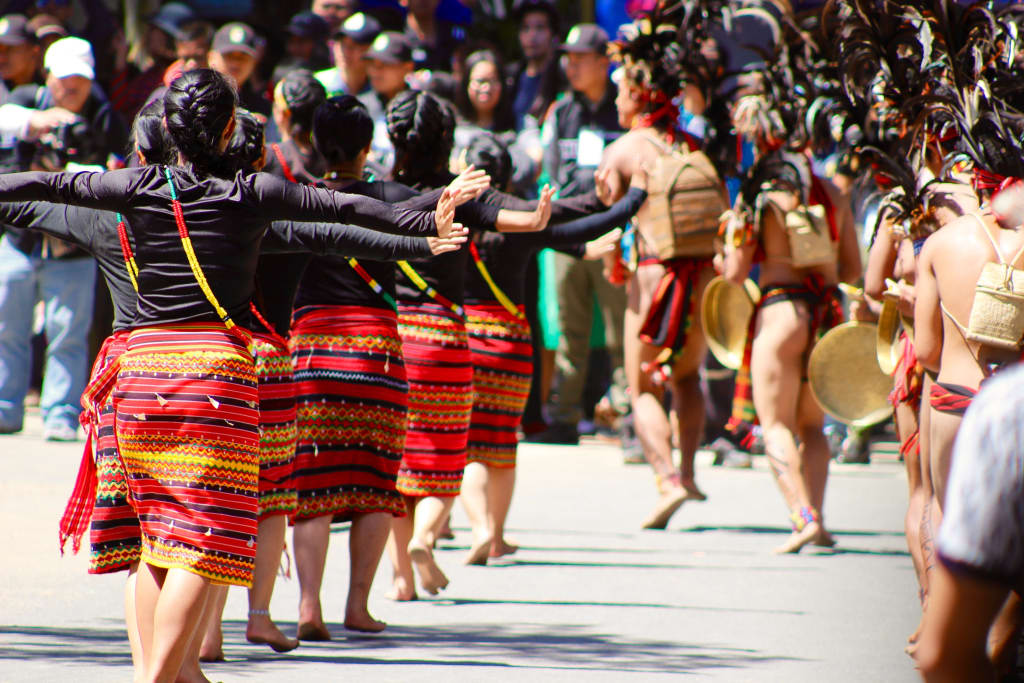
Once upon a time in the beautiful archipelago of the Philippines, a rich tapestry of diverse cultures and traditions thrived. This is the story of Filipino culture, a fusion of indigenous, Malay, Chinese, Spanish, and American influences, woven together to create a vibrant and unique identity.
The tale begins in the mountains of Luzon, where the indigenous tribes called the Igorot's lived. These resilient people built their homes on steep slopes and practiced farming using ingenious terracing techniques. They celebrated their connection with nature through rituals and dances, honoring their ancestors and the spirits that guarded their lands.
As time passed, seafaring Malay settlers arrived, bringing with them their knowledge of navigation and agriculture. They established thriving communities along the coastal areas and introduced the cultivation of rice, which would become the staple food of the Filipino people. The Malays' love for music and dance blended harmoniously with the indigenous traditions, giving birth to vibrant cultural expressions.
In the 13th century, Chinese traders sailed across the South China Sea, bringing silk, porcelain, and their rich heritage. The Chinese influence left an indelible mark on Filipino cuisine, language, and customs. Chinese merchants settled in the Philippines, intermarrying with locals and creating a vibrant mix of cultures that can still be seen today.
In the 16th century, Spanish explorers led by Ferdinand Magellan landed on the shores of the archipelago. They claimed the islands in the name of Spain, ushering in more than three centuries of Spanish colonial rule. The Spanish influence deeply shaped Filipino culture, introducing Catholicism, the Spanish language, and architectural styles. The Filipinos adapted Catholicism to their indigenous beliefs, giving rise to vibrant religious festivals known as "fiestas."
Throughout the years, the Filipinos endured and resisted colonial oppression, sparking the fires of revolution. The national hero, Jose Rizal, emerged as a symbol of the Filipino spirit, advocating for independence through his writings and peaceful resistance. His martyrdom only fueled the flames of revolution, leading to the birth of the First Philippine Republic in 1898.
The 20th century brought new chapters to the Filipino story. The United States took over after the Spanish-American War, introducing English and modern education to the islands. The Americans left an indelible mark on the Filipino psyche, fostering a love for democracy and an affinity for Western culture. This period witnessed a surge in literature, art, and music, as Filipino intellectuals and artists expressed their longing for independence and their hopes for a brighter future.
In the face of adversity, the Filipino people remained resilient, finding strength in their rich cultural heritage. From the intricate weaves of the traditional textile called "piña" to the rhythmic beat of the kulintang, every aspect of Filipino culture tells a story of unity, family, and community.
Today, the Filipino spirit continues to thrive, blending tradition with modernity. Festivals like the Ati-Atihan, Sinulog, and Pahiyas celebrate the country's unique customs, filling the streets with color, music, and dance. Filipino cuisine, with its bold flavors and mix of influences, tantalizes taste buds around the world.
Filipinos have a strong sense of bayanihan, the spirit of communal unity and cooperation. This can be seen in the "balikbayan" tradition, where Filipinos living abroad return to their homeland, bringing gifts and sharing their blessings with their families and communities.
As the sun sets on this tale of Filipino culture, it is a reminder that the Filipino people are the true treasure of the archipelago. With their warm smiles, hospitable nature, and unwavering spirit, they embody the essence of the Philippines—a vibrant tapestry of traditions and a testament to the resilience of the human spirit.
About the Creator
Keep reading
More stories from Raphy Jun Palmejar and writers in History and other communities.
The Haunted House
Once upon a time, in a remote province of the Philippines, nestled amidst lush greenery and towering mountains, there stood an old abandoned house. The locals whispered tales of the house being haunted, a place shrouded in darkness and sorrow.
By Raphy Jun Palmejar3 years ago in Horror
Savoy Hotel – Mussoorie: The Colonial Luxury Hotel Where an Unsolved Murder Still Walks the Corridors
The First Night: Beauty Wrapped in Silence Mussoorie looks peaceful from a distance. Pine trees sway gently, clouds roll like slow-moving waves, and the hill air smells of rain and old earth. But as evening falls, the silence becomes heavier—almost watchful.
By Gaurav Guptaabout 10 hours ago in History
Is NATO Facing Its Biggest Crisis Yet?
Is NATO Facing Its Biggest Crisis Yet? For more than seventy years, NATO has been one of the strongest military alliances in the world. Formed after World War II, it was designed to protect its members through collective defense. An attack on one was considered an attack on all. For decades, this principle helped maintain stability in Europe and beyond. But today, NATO is facing one of the most challenging moments in its history.
By Wings of Time 4 days ago in History


Comments
There are no comments for this story
Be the first to respond and start the conversation.