
Exploring the Tapestry of Men Through History
A Comprehensive Journey Through the Evolution and Diversity of Masculinity Across Millennia

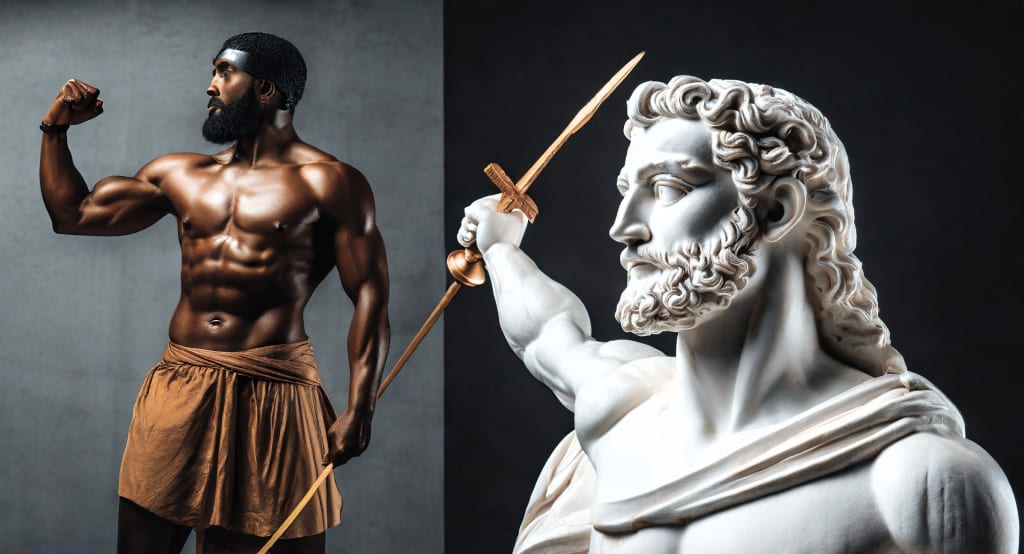
Exploring the Tapestry of Men Through History
A Comprehensive Journey Through the Evolution and Diversity of Masculinity Across Millennia
Men as a gender, have woven themselves intricately into the fabric of human history, leaving behind an indelible imprint across civilizations and eras. The narrative of men spans eons, encompassing multifaceted roles, societal expectations, and evolutionary transformations that have shaped their existence.
The journey of men through history begins in prehistoric times when hunter-gatherer societies relied on physical prowess and survival instincts. In these primitive societies, men were typically hunters, providing sustenance for their communities, while also engaging in the protection and defense of their tribes.
The rise of ancient civilizations brought forth distinct societal structures, often characterized by patriarchy. Mesopotamia, Egypt, Greece, and Rome showcased the dominance of male figures in governance, religion, and public life. Men were predominantly viewed as warriors, leaders, and heads of households, holding significant sway over political and societal affairs.
However, this dominant narrative of men in historical records often overlooks their varied roles. Beyond the archetypal warrior or ruler, men were scholars, artisans, philosophers, and caregivers. For instance, in ancient Greece, men like Socrates, Aristotle, and Plato made enduring contributions to philosophy and education, shaping the intellectual landscape for future generations.
The Middle Ages witnessed the consolidation of feudal systems, where chivalry and knighthood defined the societal expectations of men. The code of chivalry exalted virtues of honor, bravery, and loyalty among men, glorifying their roles as protectors and defenders. Simultaneously, religious institutions held considerable sway, guiding men towards paths of piety and spiritual devotion.
The Renaissance era sparked a cultural rebirth across Europe, fostering a renewed appreciation for art, science, and humanism. Figures like Leonardo da Vinci and Michelangelo epitomized the multifaceted nature of men, showcasing talents in artistic mastery and scientific inquiry. Yet, societal norms continued to confine men within predefined gender roles, restricting their expression and opportunities.
The Industrial Revolution marked a pivotal shift in societal dynamics, as men increasingly migrated from agrarian lifestyles to urban centers seeking employment in factories and industries. During this period they redefined notions of masculinity, as the ideal man shifted from rural strength to industrial prowess and economic productivity.
The 20th century witnessed seismic changes in societal perceptions of men, propelled by two World Wars, social movements, and rapid technological advancements. The aftermath of these wars brought about a reevaluation of traditional gender roles, as men grappled with the psychological toll of warfare while adapting to societal changes.
Post-war eras saw men navigating evolving expectations, with the emergence of feminism challenging established gender norms. The Civil Rights Movement and subsequent social revolutions further questioned hegemonic masculinity, advocating for inclusivity and equality across gender lines.
The latter part of the 20th century witnessed a gradual transformation in the portrayal of men in popular culture. Traditional stereotypes of stoic, unemotional men gave way to more nuanced and diverse representations in literature, film, and media. Complex, multifaceted male characters emerged, reflecting the intricacies of human emotions and experiences.
In the 21st century, discussions around men's mental health, gender equality, and redefining masculinity have gained prominence. Men are increasingly encouraged to embrace vulnerability, challenge societal expectations, and engage in open dialogues about emotions and well-being.
The history of men is a tapestry woven with diverse threads, encompassing triumphs, struggles, and societal evolutions. As we traverse the currents of time, acknowledging the complexities and contributions of men throughout history fosters a more comprehensive understanding of human experiences and paves the way for a more inclusive and equitable future.
About the Creator
Rana Ibrahim Irfan
I am a passionate and driven teenager with a knack for storytelling through the written word. From a young age, I've been captivated by the power of words and their ability to shape opinions, inspire change, and spark conversations.
Keep reading
More stories from Rana Ibrahim Irfan and writers in History and other communities.



Comments
There are no comments for this story
Be the first to respond and start the conversation.