
Exploring the Role of Blacks in Mormonism
Relationship between Blacks and Mormonism

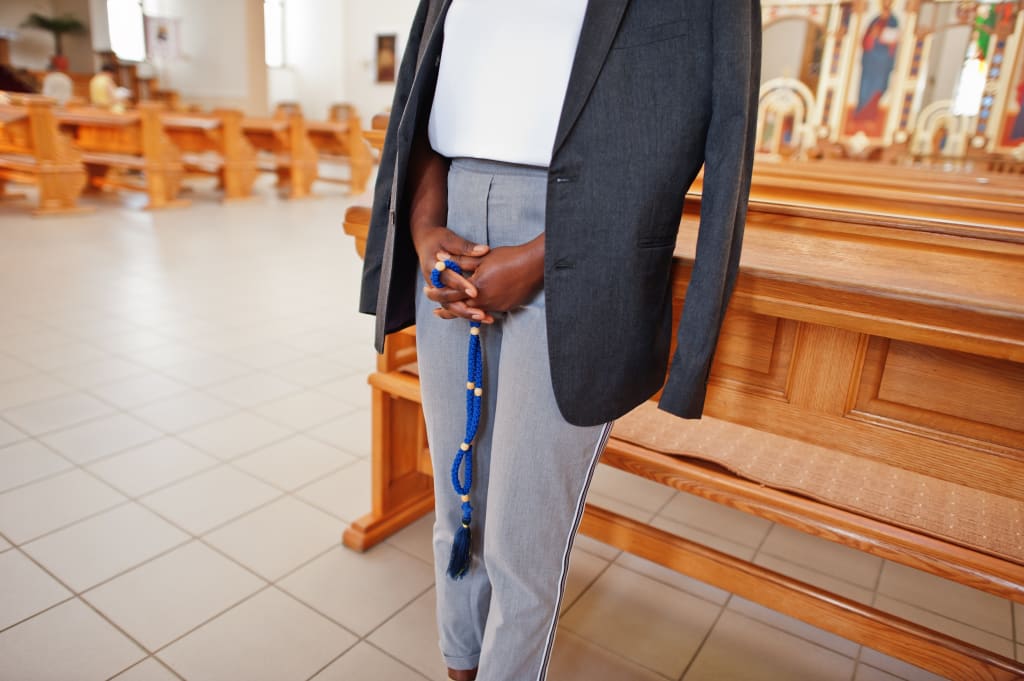
The history of race relations within religious organizations has often been a topic of discussion and sometimes controversy. One particular area of focus has been the involvement of Black individuals within Mormonism, a subject that has evolved significantly over the years. The treatment, role, and status of Blacks in Mormonism offers a window into broader questions of race, religion, and evolving societal norms.
Historical Background of Blacks in Mormonism
Mormonism, officially known as The Church of Jesus Christ of Latter-day Saints (LDS), was founded in the early 19th century by Joseph Smith. In the initial stages of the church, there was some acceptance of Black members, though it was not widespread. However, racial tensions soon influenced church doctrine, particularly as Mormonism grew in the United States during a time when slavery and segregation were prevalent societal norms.
In 1852, Brigham Young, Smith's successor as the church's leader, officially introduced a policy that prohibited Black men from holding the priesthood. This decision was deeply influenced by the prevailing racial attitudes of the time and reflected the broader segregationist views of 19th-century America. The priesthood ban also extended to barring Black members from participating in temple rituals, which are key ordinances in Mormon theology. The policy stood in stark contrast to the church's emphasis on unity and universal salvation but reflected the complex relationship between Blacks and Mormonism.
The Priesthood Ban
The exclusion of Black men from the priesthood became a defining issue in the relationship between Blacks and Mormonism. For over a century, this policy was upheld, despite criticism both within and outside the church. Many of the reasons given for this policy were rooted in misconceptions about race and biblical interpretations, which have since been disavowed by the church.
For decades, church leaders and members alike offered various explanations for the priesthood ban. Some cited a belief that Blacks were descendants of Cain, a figure in the Bible cursed for killing his brother Abel. Others speculated that the ban was related to premortal life decisions, a theological concept in Mormonism. However, none of these justifications were officially endorsed as doctrine by the LDS Church, and over time, the church began distancing itself from such explanations.
1978 Revelation and Changes
The turning point came in 1978, when the church leadership, under then-President Spencer W. Kimball, announced a divine revelation that ended the priesthood ban. This revelation allowed Black men to hold the priesthood and participate fully in temple ordinances. The decision marked a significant moment in the history of Blacks in Mormonism, and it was welcomed by many within the church who had long hoped for such a change.
The 1978 revelation did not only impact Black men but also opened the door for Black women and families to engage more deeply in church activities. Temple ordinances, which had been restricted, were now accessible, and Black members could participate fully in all church rites. While the change was widely celebrated, it also raised questions about why the ban had existed in the first place and what steps the church would take to address the legacy of racial exclusion.
Modern-Day Reflections
Since the 1978 revelation, the LDS Church has made efforts to promote racial inclusion and reconciliation. The church has disavowed previous justifications for the priesthood ban and publicly stated that those past teachings do not reflect modern Mormon beliefs or values. The leadership has encouraged members to embrace equality and work towards unity, highlighting the belief that all are children of God, regardless of race.
However, the legacy of the priesthood ban still lingers in discussions about race and religion. Some Black members have reported feeling a sense of alienation or exclusion, even in the post-revelation era, as the church continues to grapple with its past. The ongoing work of addressing these concerns has led to more open conversations within the LDS community about race and the experiences of Black members.
Looking Forward
Blacks in Mormonism represents a complex and evolving story. While the church has made significant strides toward racial equality, the historical weight of the priesthood ban and its aftermath continues to influence discussions both within and outside the faith. The 1978 revelation was a pivotal moment, but true racial reconciliation requires ongoing effort, understanding, and dialogue.
As the church moves forward, the focus is on fostering a more inclusive environment where all members, regardless of race, can feel welcomed and valued. The story of Blacks in Mormonism is not just about the past; it is also about the future of a faith that seeks to better align its practices with its core belief in the universal love of God.
About the Creator
Lisa Rank
Hi, I’m a travel writer and sometimes blogger based in Greece - specifically Athens and I travel around and write about the countries.
The Year 1965 in Review: Fun Facts, Trivia, and Historic Highlights
This quick read is a collection of fun facts, trivia, and historical events from the year 1965. Discover the year’s top news stories, most influential people, sports facts, historic firsts, entertainment trivia, and much more.
By Gregory DeVictor4 days ago in History
Worth the Wait: Puerto Viejo, Costa Rica
Beach bumming in a small Caribbean beach town sounded like a perfect way to end our 6-month trip through Mexico and Central America. Or so we thought. The foul, fishy stench of rotten seaweed hit our nostrils as we stepped from the cramped bus and looked out at a rather depressing, empty, and underwhelming black sand beach. It was pouring with rain, and we had to quickly fish out our ponchos. We thought, this couldn’t be it, could it?
By Sh*t Happens - Lost Girl Travel6 days ago in Wander



Comments
There are no comments for this story
Be the first to respond and start the conversation.