
Exploring Delhi: A Comprehensive Guide to the Top Travel and Tour Destinations
Delhi is a city that offers a rich array of travel and tour experiences.

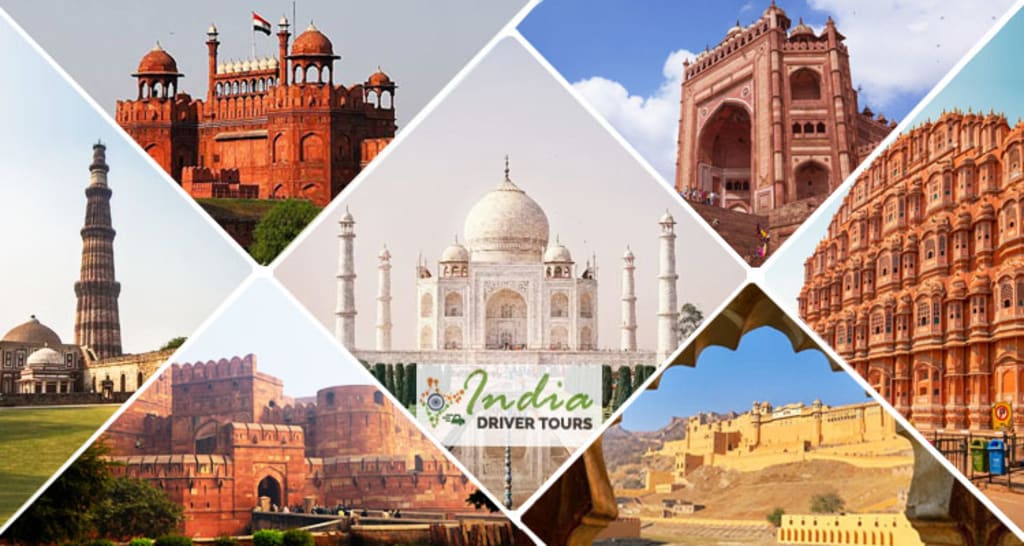

Delhi, India's bustling capital, is a city where ancient history meets modern vibrancy. As a melting pot of culture, tradition, and progress, it offers an array of attractions for every kind of traveler. From grand Mughal monuments to lively markets and serene gardens, Delhi’s landmarks provide a rich tapestry of experiences. This guide delves into the top travel and tour destinations in Delhi, each offering a unique glimpse into the city's multifaceted identity.
1. Red Fort (Lal Qila)
Overview: The Red Fort, or Lal Qila, is an iconic symbol of India’s Mughal heritage. Constructed by Emperor Shah Jahan in 1648, the fort is a UNESCO World Heritage Site and a stunning example of Mughal architecture with its imposing red sandstone walls and intricate interiors.
Historical Significance:
- Diwan-i-Aam: The Hall of Public Audience where the emperor would address the common people.
- Diwan-i-Khas: The Hall of Private Audience, known for its opulent decoration and the Peacock Throne.
- Rang Mahal: The Palace of Colors, renowned for its frescoes and vibrant interiors.
Visitor Experience:
- Architectural Marvel: The fort’s massive walls and intricate carvings are a testament to Mughal architectural prowess.
- Evening Sound and Light Show: This show brings the history of the fort to life with captivating visual and audio effects.
Visitor Tips:
- Visit early in the morning to avoid large crowds and to enjoy cooler temperatures.
- Wear comfortable footwear as the fort complex is expansive.
2. Qutub Minar
Overview: The Qutub Minar is the tallest brick minaret in the world, standing at 73 meters. Built in 1193 by Qutb-ud-din Aibak, it marks the beginning of Mughal architecture in India and is another UNESCO World Heritage Site.
Historical Significance:
- Architectural Features: The minaret is adorned with intricate carvings and inscriptions in Arabic.
- Quwwat-ul-Islam Mosque: Adjacent to the minaret, it is one of the earliest mosques built in India, showcasing early Islamic architecture.
Visitor Experience:
- Scenic Views: The minaret provides a panoramic view of the surrounding complex and the city.
- Historical Insight: The site offers a fascinating glimpse into early Islamic architecture and the history of the Delhi Sultanate.
Visitor Tips:
- Dress modestly as the site is of historical and cultural significance.
- Bring a camera to capture the architectural details but be mindful of local regulations regarding photography.
3. India Gate
Overview: India Gate is a majestic war memorial dedicated to the Indian soldiers who died in World War I. Designed by Sir Edwin Lutyens, it is an iconic landmark that stands as a symbol of national pride and remembrance.
Historical Significance:
- Amar Jawan Jyoti: An eternal flame that burns in honor of the soldiers who sacrificed their lives.
- Architectural Design: The archway is a blend of British and Indian architectural styles, standing 42 meters high.
Visitor Experience:
- Evening Stroll: The area around India Gate is popular for evening walks and family outings.
- Lively Atmosphere: The surrounding lawns are often filled with locals and tourists, adding to the vibrant atmosphere.
Visitor Tips:
- Visit during the evening to enjoy the illuminated monument and the lively surroundings.
- Be cautious of your belongings in the crowded area.
4. Humayun's Tomb
Overview: Humayun’s Tomb is a stunning example of Mughal architecture and the precursor to the Taj Mahal. Built in 1570, it is a UNESCO World Heritage Site and showcases the grandeur of Mughal garden tomb architecture.
Historical Significance:
- Architectural Design: The tomb is constructed of red sandstone and white marble, with lush gardens and a complex network of water channels.
- Historical Context: It is the final resting place of Emperor Humayun and was commissioned by his widow, Empress Bega Begum.
Visitor Experience:
- Architectural Beauty: The intricate carvings and the well-maintained gardens provide a serene and picturesque environment.
- Historical Insight: The tomb reflects the evolution of Mughal architecture and garden design.
Visitor Tips:
- Early morning visits offer a quieter experience and better lighting for photography.
- Wear comfortable shoes as the site involves considerable walking.
5. Lotus Temple
Overview: The Lotus Temple, also known as the Bahá'í House of Worship, is a modern architectural marvel designed in the shape of a lotus flower. Completed in 1986, it is known for its serene environment and openness to people of all faiths.
Historical Significance:
- Architectural Design: The temple’s design symbolizes purity and peace, with its petals crafted from white marble.
- Spiritual Significance: It serves as a place for meditation and spiritual reflection, open to people of all religions.
Visitor Experience:
- Tranquil Atmosphere: The temple’s interior is a serene space for quiet reflection and meditation.
- Architectural Aesthetics: The lotus-shaped design and the surrounding gardens are visually stunning.
Visitor Tips:
- Maintain silence inside the temple to respect the meditative environment.
- Dress modestly and adhere to the temple’s visitor guidelines.
6. Akshardham Temple
Overview: Akshardham Temple, dedicated to Bhagwan Swaminarayan, is a modern architectural wonder that opened in 2005. It showcases the grandeur of traditional Indian architecture and culture through its intricate carvings and exhibitions.
Historical Significance:
- Architectural Features: The temple is constructed of pink sandstone and white marble, featuring elaborate carvings and intricate details.
- Cultural Exhibits: The complex includes the Yagnapurush Kund, the world’s largest stepwell, and various exhibitions that depict Indian culture and spirituality.
Visitor Experience:
- Exhibitions and Gardens: The temple’s exhibits and gardens provide a comprehensive view of Indian history and culture.
- Light and Sound Show: The evening show is a captivating visual and auditory experience that highlights the temple’s spiritual significance.
Visitor Tips:
- Plan to spend several hours exploring the temple and its surroundings.
- Be aware of the strict no-photography policy inside the temple premises.
7. Chandni Chowk
Overview: Chandni Chowk is one of Delhi’s oldest and most vibrant markets, established by Mughal Emperor Shah Jahan. It offers a sensory overload of traditional Indian goods, street food, and bustling activity.
Historical Significance:
- Market History: Originally designed as a grand market for the Mughal court, it has evolved into a lively commercial hub.
- Architectural Landmarks: The market is surrounded by historic sites such as Jama Masjid and the Red Fort.
Visitor Experience:
- Street Food: Sample famous street foods like parathas, chaat, and jalebis from renowned stalls.
- Shopping: The market is known for its textiles, jewelry, and spices, offering a traditional shopping experience.
- Wear comfortable clothing and shoes as the market can be crowded and requires a lot of walking.
- Keep an eye on your belongings due to the large crowds.
8. Raj Ghat
Overview: Raj Ghat is the memorial dedicated to Mahatma Gandhi, the leader of India’s independence movement. Located on the banks of the Yamuna River, it is a place of tribute and reflection.
Historical Significance:
- Gandhi’s Memorial: A simple black marble platform marks the spot where Gandhi was cremated after his assassination in 1948.
- Surrounding Gardens: The site features well-maintained gardens and a peaceful atmosphere for visitors to pay their respects.
Visitor Experience:
- Reflective Space: The site provides a tranquil environment for contemplation and homage.
- Historical Context: Visitors can learn about Gandhi’s life and contributions to India’s freedom struggle.
Visitor Tips:
- Maintain a respectful silence as it is a place of homage.
- Carry water and wear sun protection, especially during hot weather.
9. National Museum
Overview: The National Museum of Delhi is one of India’s largest and most comprehensive museums, housing a vast collection of artifacts that span thousands of years of Indian history.
Historical Significance:
- Artifact Collections: The museum’s collections include items from the Indus Valley Civilization, ancient sculptures, medieval manuscripts, and more.
- Cultural Exhibits: The museum provides insights into India’s rich cultural and historical heritage.
Visitor Experience:
- Diverse Exhibits: The museum offers a deep dive into various aspects of Indian history and culture.
- Educational Value: Guided tours and exhibitions provide valuable educational experiences for visitors.
Visitor Tips:
- Allocate sufficient time to explore the extensive collections.
- Consider hiring a guide to enhance your understanding of the exhibits.
10. Delhi Haat
Overview: Delhi Haat is an open-air market that offers a unique blend of crafts, textiles, and cuisines from various states of India. Established by the Delhi Tourism and Transportation Development Corporation, it provides a vibrant shopping and dining experience.
Historical Significance:
- Crafts and Art: The market features traditional handicrafts and artworks from different regions of India.
- Culinary Diversity: The food stalls offer a range of regional Indian cuisines, providing a culinary journey across the country.
Visitor Experience:
- Shopping: Explore a variety of handicrafts, textiles, and artworks from across India.
- Food Experience: Sample diverse Indian dishes from regional food stalls.
Visitor Tips:
- Bargain with vendors to get the best prices on handicrafts.
- Visit during weekdays to avoid the weekend crowds.
Conclusion
Delhi is a city that offers a rich array of travel and tour experiences, each reflecting a different facet of its complex and vibrant character. From historical monuments like the Red Fort and Qutub Minar to modern marvels like the Lotus Temple and Akshardham Temple, Delhi is a treasure trove of cultural and historical wonders. Whether you’re exploring ancient ruins, enjoying vibrant markets, or seeking spiritual solace, Delhi provides a diverse range of experiences that promise to leave a lasting impression. So, pack your bags and set out to discover the many faces of this fascinating city.
About the Creator
Namaste India
We cater to everyone from families and couples to friends and business travelers; we flawlessly deliver memorable experiences designed specifically around your requirements and budget. A one stops shop for all your travel package needs.
Keep reading
More stories from Namaste India and writers in History and other communities.
Allahabad-Varanasi Tour: A Spiritual and Cultural Journey Through India’s Sacred Cities
The Allahabad-Varanasi Tour takes you on an enriching journey through two of India's most revered cities, where ancient spiritual traditions, fascinating history, and breathtaking landscapes await. Both cities are deeply connected to Hindu mythology, and each offers a unique experience for travelers. This tour is ideal for those seeking a profound spiritual exploration, as well as an immersion into India's religious and cultural heritage.
By Namaste Indiaabout a year ago in History
Alexander the Great’s Body Preservation Method: History, Mystery, and Science
Ancient historians describe Alexander’s corpse as remaining uncorrupted for several days, even weeks, which led many to believe he was divine. The method used to preserve his body has intrigued historians, scientists, and medical scholars for centuries.
By Say the truth 3 days ago in History
GIVE PEACE A CHANCE
Give Peace a Chance I remember the day John Lennon was shot. It was December 8, 1980, and the news hit the world like a devastating storm. But it wasn’t just the loss of a singer or songwriter; it felt like the silencing of a philosopher, a man who used music to speak truth to power and feed the souls of millions.
By Marie381Uk 2 days ago in History




Comments
There are no comments for this story
Be the first to respond and start the conversation.