
Effects that took place during the industrial revolution
South African history
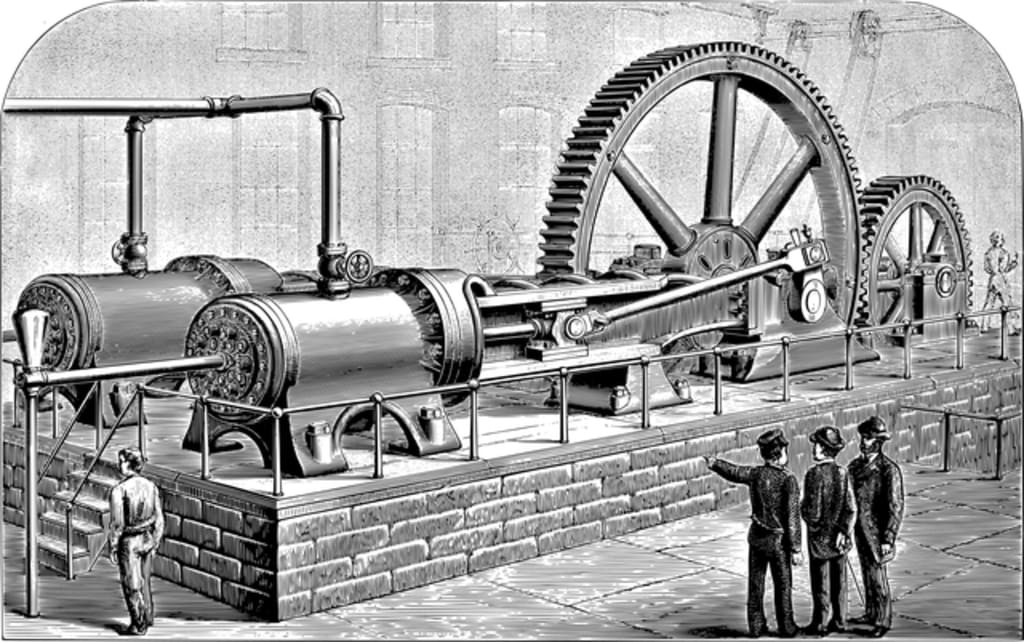
The Industrial Revolution, a period of significant technological advancements and industrialization, brought about transformative changes across the globe. While often associated with the Western world, its impact reached far beyond Europe. This essay explores the Industrial Revolution in South Africa, a nation that experienced a unique trajectory of industrial development. It examines the key factors that contributed to the industrialization process, the sectors that thrived during this era, the socio-economic consequences, and the lasting legacy of the Industrial Revolution on South Africa's economy.
Contextualizing the Industrial Revolution in South Africa
The Industrial Revolution in South Africa occurred during the late 19th and early 20th centuries, a time when the country was undergoing significant political and social changes. The discovery of vast mineral resources, such as diamonds and gold, spurred economic growth and attracted foreign investments. Moreover, the influx of European settlers, especially the British, played a crucial role in driving industrialization forward.
Mining: The Backbone of Industrial Growth
Mining, particularly of gold and diamonds, became the catalyst for South Africa's industrial revolution. The Witwatersrand gold rush in the late 1800s led to the development of advanced mining techniques and infrastructure. Mining companies emerged as key players in the economy, contributing to the growth of towns and cities, and stimulating demand for labor and capital. The mining sector became the backbone of industrial growth, fostering the establishment of associated industries such as machinery, transport, and finance.
The Role of Infrastructure Development
The Industrial Revolution in South Africa relied heavily on the expansion and improvement of infrastructure. Railways, harbors, and telegraph lines were constructed to facilitate the transportation of goods and people, connect mining regions with urban centers, and link South Africa to the global market. The expansion of infrastructure not only boosted trade but also spurred industrialization in other sectors, including agriculture and manufacturing.
Manufacturing and Urbanization
As the mining industry flourished, South Africa witnessed a surge in manufacturing activities. With an abundance of raw materials and a growing labor force, factories sprung up, producing goods ranging from textiles to machinery. Urbanization accelerated as workers migrated to industrial hubs, such as Johannesburg and Durban, in search of employment opportunities. The growth of manufacturing not only diversified the economy but also laid the foundation for a burgeoning middle class and a more complex social structure.
Socio-economic Consequences and Challenges
While the Industrial Revolution in South Africa brought about economic prosperity, it also gave rise to significant challenges. The migrant labor system, for instance, led to the displacement and exploitation of indigenous communities. Social disparities emerged, with stark inequalities between the wealthy mining magnates and the working class. Moreover, the reliance on mining and primary sectors left the economy vulnerable to fluctuations in global commodity prices, highlighting the need for diversification.
Legacy and Lessons Learned
The legacy of the Industrial Revolution in South Africa is multi-faceted. It laid the groundwork for the country's subsequent industrial development, shaping its economic trajectory for decades to come. The experience also highlighted the importance of balancing economic growth with social and environmental considerations. The challenges faced during the industrialization process have contributed to ongoing efforts to create a more equitable and sustainable economy in modern-day South Africa.
Conclusion
The Industrial Revolution in South Africa marked a transformative period in the nation's history, driven by mining, infrastructure development, and manufacturing. It spurred economic growth, urbanization, and social change. While the era brought about notable achievements, it also presented socio-economic challenges and consequences led by legacy and lessons learned in the role of manufacturing and urbanization.
About the Creator
Keep reading
More stories from writers in History and other communities.
"The Power of Belief: Ideology in the Roman Kingdom"
The Rise of Ideology in the Roman Kingdom In the earliest days of Rome, long before it became a republic or an empire, the Roman Kingdom was bound together by more than kings, armies, or stone walls. What truly unified Rome was a powerful and carefully shaped ideology—one that defined how Romans understood authority, duty, morality, and identity. This ideological foundation transformed a small settlement on the banks of the Tiber River into a disciplined and resilient civilization, prepared to rule others long after its kings were gone.
By The best writer 5 days ago in History
THE TREASURE IN THE FOREST
The canoe drifted quietly toward the island, where a wide bay opened beneath a blazing sky. A narrow gap in the white reef marked the mouth of a small river, its path visible by the darker green of thick forest spilling down the hillside. Beyond it, mountains rose like frozen waves. The sea was calm, almost unnaturally so.
By Faisal Khan6 days ago in History
A Dart at Dusk
Seconds ago, the sullen sun set on the two of us… my exuberant furry companion and me. A fresh breeze embraces us, delivering welcome relief from the day’s oppressive heat. His typical stumbling and staggering along — apace with a sloth — has turned into trip-trapping, high-stepping, almost skipping along.
By Angie the Archivist 📚🪶4 days ago in Petlife




Comments
There are no comments for this story
Be the first to respond and start the conversation.