
Cesar Chavez Bio
Cesar Chavez Biography: The Untold Story of the Farm Workers' Hero – Life, Legacy, and Lessons

Introduction
Who Was Cesar Chavez?
Cesar Chavez was a Mexican-American labor leader, civil rights activist, and co-founder of the United Farm Workers (UFW). Through nonviolent protests, strikes, and boycotts, he fought for better wages and working conditions for farmworkers, becoming one of the most influential figures in American labor history.
Why His Legacy Still Matters Today
Decades after his death, Chavez’s work continues to inspire movements for workers' rights, immigration reform, and social justice. His famous slogan, “Sí, se puede!” (Yes, we can!), remains a rallying cry for activists worldwide.
What You’ll Learn in This Biography
This in-depth biography covers:
Chavez’s early life and struggles
His rise as a labor leader
Key victories and challenges
His lasting impact on labor rights
Chapter 1: Early Life and Humble Beginnings
Birth and Family Background (1927)
Cesar Estrada Chavez was born on March 31, 1927, in Yuma, Arizona. His parents, Librado and Juana Chavez, were Mexican-American farmers who lost their land during the Great Depression.
Childhood Struggles: Migrant Farm Work and Poverty
After losing their home, the Chavez family became migrant workers, traveling across California to pick crops. Young Cesar worked in harsh conditions, facing long hours, low pay, and racial discrimination.
Education Challenges: Why Chavez Left School Early
Chavez attended over 30 schools due to constant moves but dropped out after 8th grade to work full-time. Despite limited formal education, he was an avid reader, learning about labor rights and social justice.
Chapter 2: The Formative Years – Military Service and Early Activism
Joining the U.S. Navy: A Turning Point
At 17, Chavez enlisted in the Navy (1944-1946) but faced segregation. His military experience deepened his awareness of inequality.
Exposure to Social Injustice: Influences from Civil Rights Movements
After returning, he married Helen Fabela and worked in the fields. Inspired by figures like Mahatma Gandhi and Martin Luther King Jr., he embraced nonviolent resistance.
Meeting Fred Ross & the Community Service Organization (CSO)
In 1952, Chavez met activist Fred Ross, who recruited him into the CSO, a Latino civil rights group. Here, he learned organizing skills that shaped his future work.
Chapter 3: Founding the United Farm Workers (UFW)
The Birth of a Movement: NFWA to UFW
In 1962, Chavez left CSO to co-found the National Farm Workers Association (NFWA) with Dolores Huerta. It later merged with another group to become the United Farm Workers (UFW).
The Delano Grape Strike (1965) – A Defining Moment
When Filipino farmworkers began the Delano Grape Strike, Chavez joined forces, leading a five-year boycott that forced growers to sign union contracts.
"Sí, Se Puede!" – The Power of a Slogan
Chavez popularized “Sí, se puede!”—later adopted by Barack Obama as “Yes, we can!”—to motivate workers during tough battles.
Chapter 4: Key Protests and Nonviolent Strategies
The 340-Mile March to Sacramento (1966)
To demand labor rights, Chavez led a 25-day march from Delano to California’s capital, gaining national attention.
Nationwide Boycotts: How Chavez Hurt Corporate Profits
The UFW’s grape and lettuce boycotts cost companies millions, proving economic pressure worked.
Fasting as a Weapon: The 25-Day Hunger Strike (1968)
Chavez fasted for 25 days to protest violence, echoing Gandhi’s methods. His sacrifice strengthened the movement.
Chapter 5: Major Achievements and Legal Victories
The California Agricultural Labor Relations Act (1975)
Chavez’s lobbying led to the first law granting farmworkers collective bargaining rights.
Improving Wages and Working Conditions
UFW contracts ensured clean water, rest breaks, and fair pay—revolutionizing farm labor.
National Recognition: Awards and Presidential Honors
Chavez received the Presidential Medal of Freedom (1994, posthumously) and a national holiday in several states.
Chapter 6: Controversies and Challenges
Criticisms Within the Labor Movement
Some accused Chavez of being too controlling, leading to internal conflicts.
Conflicts with the Teamsters Union
Violent clashes erupted when the Teamsters tried to replace UFW, weakening the movement.
Personal Struggles: Health Issues and Burnout
Years of fasting and stress damaged Chavez’s health, contributing to his early death.
Chapter 7: Later Years and Death
Continuing the Fight in the 1980s and 1990s
Chavez shifted focus to pesticide safety, exposing harmful chemicals in farming.
Final Days: Passing of a Legend (1993)
On April 23, 1993, Chavez died in his sleep at 66. Over 50,000 people attended his funeral.
Tributes and Memorials
Cesar Chavez Day (March 31, a state holiday in CA, TX, CO)
Schools, parks, and streets named in his honor
Chapter 8: Cesar Chavez’s Enduring Legacy
Impact on Modern Labor Rights Movements
His strategies influenced Fight for $15, immigrant rights groups, and climate justice activists.
How to Keep His Mission Alive
Support fair wages for farmworkers
Advocate for immigration reform
Educate others on labor history
Conclusion
Why Cesar Chavez Remains a Symbol of Hope
He proved that nonviolence, persistence, and grassroots organizing can change history.
Final Thoughts: The Power of One Person’s Conviction
Chavez’s life teaches us that ordinary people can achieve extraordinary things when they stand together.
About the Creator
Keep reading
More stories from bipul biswas and writers in History and other communities.
Erykah Badu Biography
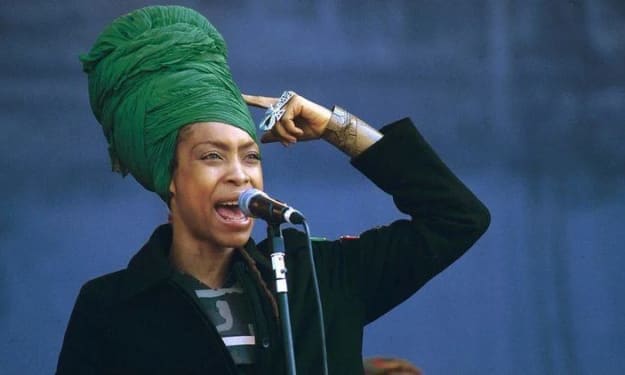
Introduction Erykah Badu isn’t just a singer—she’s a movement. Known as the "Queen of Neo-Soul," her smoky voice, poetic lyrics, and unapologetic authenticity have made her one of the most influential artists of the past three decades. From her groundbreaking debut Baduizm to her fearless activism and unique fashion sense, Badu has left an indelible mark on music and culture.
By bipul biswas11 months ago in History
John Lennon And Blackpool: A Life Threaded Through A Seaside Town
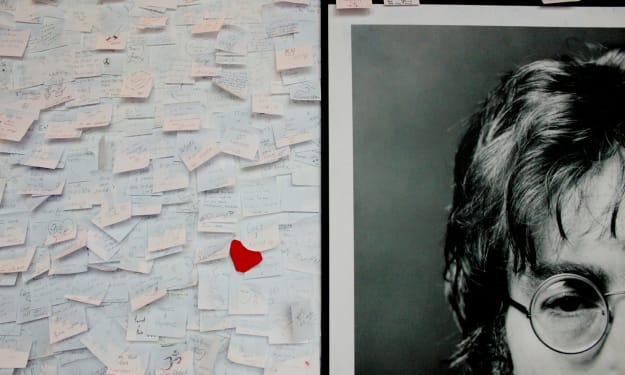
John Lennon’s connection to Blackpool begins long before the Beatles, long before the cameras and the roar of theatre crowds. It starts in the small, bright details of childhood holidays, in the smell of sea air and the glow of variety‑show stages, and it runs forward into one of the most painful scenes of his early life. Yet the story does not stop there. Blackpool also stands quietly at the origin of his first great love, his first wife, and the mother of his first child. The town becomes a kind of hidden axis in his life: a place of early joy, a site of rupture, a stage of triumph, and the birthplace of the woman who would share his formative years of fame.
By Julie O'Hara - Author, Poet and Spiritual Warrior6 days ago in History


Comments
There are no comments for this story
Be the first to respond and start the conversation.