
Celebrating International Moon Day: A Lunar Tribute to Human Achievement
"A Lunar Journey: Exploring International Moon Day and the Enduring Fascination with Earth's Celestial Neighbor"
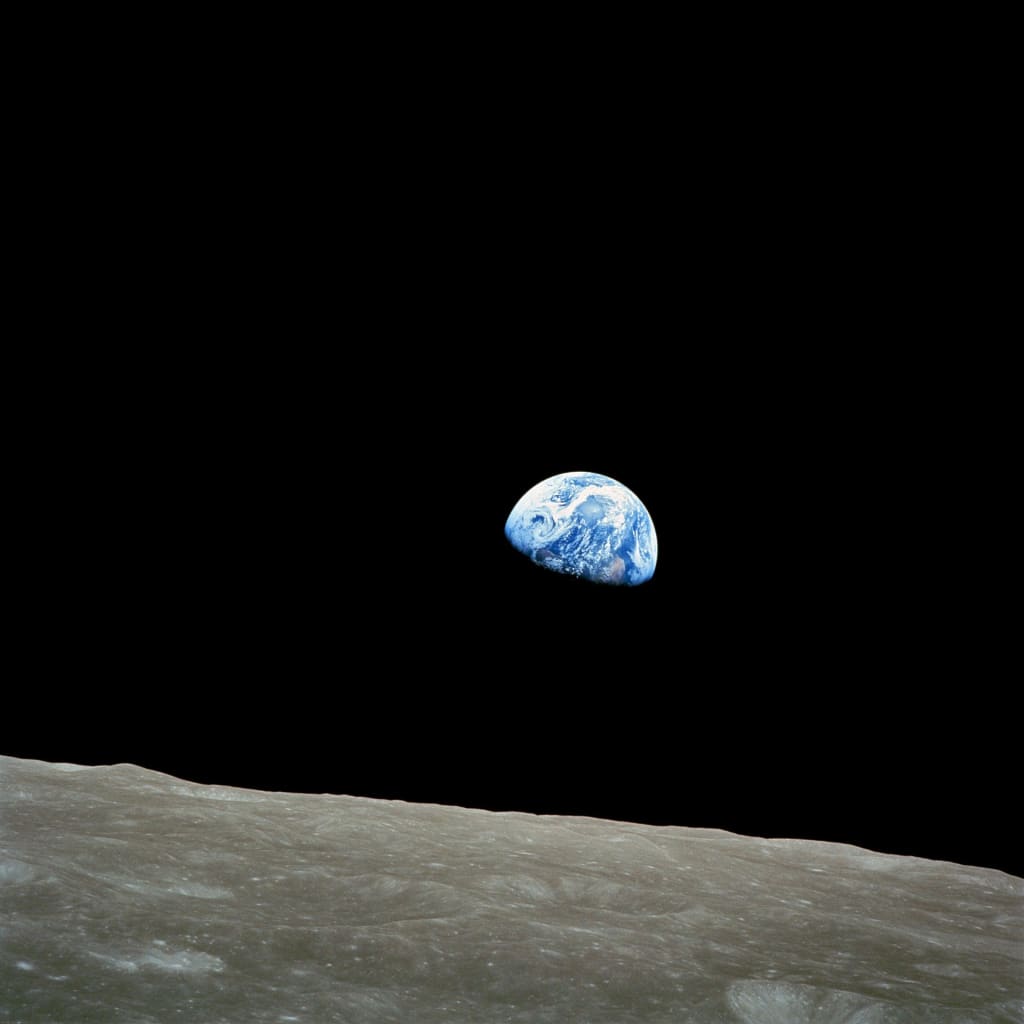
Introduction:
On July 20, 1969, humanity achieved a remarkable milestone - the first moon landing. Ever since that historic day, the world comes together every year on July 20th to celebrate International Moon Day, paying homage to the extraordinary feat of setting foot on another celestial body. This special day not only honors the Apollo 11 mission but also celebrates the Moon's influence on our planet, culture, and imagination. In this comprehensive guide, we will embark on a lunar journey, exploring the significance of International Moon Day, the captivating wonders of the Moon, and how this celestial body continues to inspire human achievement.
Section 1: The Significance of International Moon Day
1.1 What is International Moon Day?
International Moon Day, also known as Moon Landing Day or Lunar Landing Day, is observed annually on July 20th. It commemorates the momentous Apollo 11 mission, which successfully landed astronauts Neil Armstrong and Edwin "Buzz" Aldrin on the Moon in 1969. This historic event marked the culmination of human ingenuity, perseverance, and determination to explore beyond our planet.
1.2 Honoring Human Achievement
International Moon Day is a tribute to human achievement and the spirit of exploration. It serves as a reminder of what we can accomplish when we unite as a global community to conquer seemingly insurmountable challenges.
1.3 Inspiring Future Generations
By celebrating International Moon Day, we aim to inspire future generations to dream big and pursue careers in science, technology, engineering, and mathematics (STEM). The Moon landing demonstrated the boundless potential of human capabilities and serves as an inspiration for space exploration endeavors to come.
Section 2: The Captivating Wonders of the Moon
2.1 The Moon's Enigmatic Presence
For millennia, the Moon has captivated human imagination with its serene beauty and enigmatic presence in the night sky. Its changing phases have influenced ancient calendars, rituals, and cultural beliefs.
2.2 Moon Phases and Celestial Events
The Moon's eight distinct phases, from New Moon to Full Moon, have long been a subject of fascination. Additionally, celestial events like lunar eclipses and supermoons enthrall stargazers worldwide, connecting us to the vastness of the universe.
2.3 Lunar Geology and Exploration
The Moon's surface is an intriguing landscape of craters, mountains, and ancient lava flows. Its geology provides valuable insights into the early history of our solar system. Human and robotic missions have explored the lunar surface, revealing new wonders and enhancing our understanding of the Moon's origins and evolution.
Section 3: Cultural Significance of the Moon
3.1 Myths, Legends, and Folklore
Across cultures and civilizations, the Moon has been a central figure in myths, legends, and folklore. It has symbolized love, mystery, femininity, and cycles of life. Stories of the Moon's divine influences are woven into the fabric of human history.
3.2 Moon in Art and Literature
The Moon's ethereal beauty has inspired countless works of art, poetry, and literature. Artists and writers have used the Moon as a metaphor for romance, melancholy, and imagination. From Vincent van Gogh's "Starry Night" to William Shakespeare's "A Midsummer Night's Dream," the Moon's allure continues to grace masterpieces.
3.3 Moon in Modern Popular Culture
In the modern era, the Moon's allure continues to thrive in popular culture. From science fiction novels and movies depicting lunar colonies to songs that romanticize the Moon, this celestial body holds a permanent place in the collective consciousness.
Section 4: The Moon's Impact on Science and Exploration
4.1 Scientific Discoveries and Lunar Research
The Moon has been instrumental in advancing scientific knowledge. It has served as a platform for astronomical observations, cosmic ray studies, and lunar geology research. The data collected from lunar missions has significantly contributed to our understanding of the cosmos.
4.2 Space Exploration Beyond the Moon
The success of the Apollo 11 mission paved the way for further space exploration efforts. Today, space agencies worldwide are working towards sending astronauts to Mars and beyond, fueled by the lessons learned from lunar missions.
Section 5: Celebrating International Moon Day - Events and Activities
5.1 Public Celebrations and Exhibitions
International Moon Day is celebrated globally through public events, exhibitions, and educational programs. Museums, planetariums, and science centers often host displays related to lunar exploration, astronomy, and space history.
5.2 Stargazing and Lunar Observations
Stargazing events offer the public an opportunity to view the Moon through telescopes, connecting people of all ages to the celestial wonders above.
5.3 Educational Initiatives and STEM Programs
International Moon Day provides an excellent opportunity for educational institutions to engage students in science and space-related activities. STEM programs encourage young minds to explore the wonders of the Moon and beyond.
Conclusion:
International Moon Day is more than just a celebration of a historic lunar landing; it is a testament to the human spirit of exploration, curiosity, and unity. From inspiring art and literature to advancing scientific knowledge, the Moon continues to hold a special place in our hearts and minds. As we celebrate this special day, let us remember the profound impact of the Moon on our culture, imagination, and scientific understanding. As we look to the future, we are reminded of the limitless possibilities that lie beyond our planet and the importance of working together to explore and appreciate the wonders of the cosmos. Happy International Moon Day!
About the Creator
Keep reading
More stories from Santhoshkumar and writers in History and other communities.
Elon Musk: The Visionary Entrepreneur Revolutionizing the World
Introduction: Elon Musk, a name synonymous with innovation and audacity, has emerged as one of the most influential figures of the 21st century. This comprehensive SEO content provides an insightful biography of Elon Musk, delving into his early life, groundbreaking ventures, and remarkable achievements. From co-founding PayPal to spearheading Tesla and SpaceX, Musk's visionary approach has transformed multiple industries, leaving an indelible mark on the world.
By Santhoshkumar2 years ago in History
When the Pyramids Learned to Breathe
The desert was silent in the way only ancient places can be—not empty, but listening. At dawn, the first light touched the limestone faces of the pyramids, and the shadows they cast stretched long and deliberate, as if time itself were waking slowly. To the west, beyond the city’s dust and noise, the old giants stood where they always had, unmoved by centuries, untouched by doubt.
By LUNA EDITHabout 2 hours ago in History
World War I
The morning fog lay thick over the trenches of northern France, clinging to the earth as if it too feared what was about to happen. Private Thomas Hale pulled his coat tighter around himself, though it did little to stop the cold from seeping into his bones. He had been in the trenches for six months, yet the damp smell of mud, smoke, and fear still felt unfamiliar, like a nightmare he could not wake from.
By Maavia tahir7 days ago in History
The Devil's Cut
“Comrade, finally you’re awake.” The voice was smooth, sensual. A flickering incandescent bar was all that lit the white, sterile room. All Vladimir remembered was everything going black. He tried to move his arms and found them strapped to the gurney.
By Matthew J. Fromm6 days ago in Fiction



Comments
There are no comments for this story
Be the first to respond and start the conversation.