
Breakdancing at the 2024 Olympics: A Cultural Revolution on the World Stage
A Cultural Revolution on the World Stage

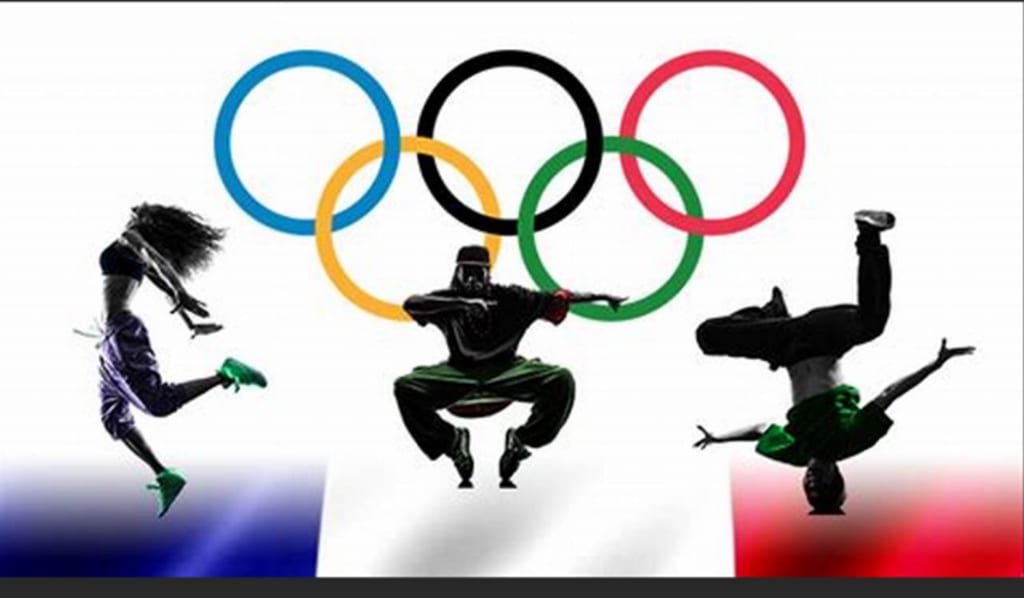
Breakdancing at the 2024 Olympics: A Cultural Revolution on the World Stage
As the world gears up for the Paris 2024 Summer Olympics, excitement is building not only for the traditional sports but also for the introduction of breakdancing, officially known as “breaking.” This dynamic and expressive art form will make its Olympic debut, offering a unique blend of athleticism, creativity, and cultural significance that is sure to captivate audiences worldwide. In this article, we’ll explore why breakdancing’s inclusion in the Olympics is not just a sporting event, but a cultural milestone that highlights the evolution of the Games.
The Fusion of Art and Sport
Breaking originated in the 1970s in the streets of the Bronx, New York City, as a form of self-expression and community-building among young people. It encompasses a variety of moves, including spins, flips, and freezes, often performed to the beats of hip-hop music. Unlike traditional sports that primarily focus on physical prowess, breaking merges artistic creativity with athletic skill. Dancers, known as “b-boys” and “b-girls,” not only showcase their strength and agility but also their unique style and personality through their performances.
The Olympics has long been a platform for celebrating not only competitive excellence but also cultural diversity. By incorporating breaking into the Games, the International Olympic Committee (IOC) recognizes the importance of street culture and its impact on youth worldwide. This inclusion signals a shift in the Olympic narrative, moving beyond conventional sports to embrace a broader definition of athleticism and artistry.
Empowering Youth and Urban Culture
The decision to include breaking in the Olympics is a strategic move aimed at engaging younger audiences and urban communities. With traditional Olympic sports often perceived as elitist or disconnected from contemporary youth culture, breaking serves as a bridge that connects the Games to the vibrant energy of street culture. This connection is particularly important as the IOC seeks to maintain relevance in an ever-evolving sporting landscape.
Moreover, breaking embodies the values of community, resilience, and self-expression, making it a powerful tool for empowerment. For many participants, the dance form provides an escape from challenging environments, fostering creativity and offering opportunities for personal growth. The Olympics provides a global stage for these dancers, allowing them to showcase their talent and inspire others to pursue their passions.
The Competitive Framework of Breaking
In preparation for the 2024 Games, breaking competitions have gained momentum around the world, with numerous qualifiers leading up to the Olympics. The competition format will involve a series of battles where dancers will face off in one-on-one contests, judged by a panel of experts. This format not only emphasizes individual skill and creativity but also encourages collaboration and mutual respect among competitors.
Judging in breaking is inherently subjective, with criteria that include technical skill, creativity, and performance style. This unique judging system adds an exciting layer of unpredictability to the competition, as different judges may have varying interpretations of what constitutes an outstanding performance. This unpredictability mirrors the essence of breaking itself, where spontaneity and improvisation are crucial elements.
Cultural Significance and Global Impact
Breakdancing’s inclusion in the Olympics is not just a win for the dance community; it represents a larger cultural shift that acknowledges the contributions of urban art forms to the global landscape. The Olympic stage allows breakdancing to transcend geographic boundaries, showcasing the talents of dancers from diverse backgrounds and cultures.
As the world watches the Paris 2024 Olympics, breaking will undoubtedly inspire a new generation of dancers, encouraging them to explore their creativity and pursue their dreams. This cultural exchange has the potential to strengthen bonds between communities, fostering a sense of unity and understanding through the universal language of movement.
Conclusion
The addition of breakdancing to the 2024 Olympics marks a pivotal moment in the history of the Games, celebrating not only athletic excellence but also the rich tapestry of global culture. As b-boys and b-girls take to the Olympic stage, they will not only be competing for medals but also representing a movement that values creativity, community, and the power of self-expression. The world is ready to witness breaking’s evolution from the streets to the Olympic arena, and the excitement surrounding this cultural revolution promises to make the Paris 2024 Games a truly unforgettable experience.
About the Creator
Francis C Okoro
"If you learn from defeat, you haven't really lost." - Zig Ziglar
Keep reading
More stories from Francis C Okoro and writers in History and other communities.
Martin Luther King Jr.: The Voice of Peace and Justice
Martin Luther King Jr. was born on January 15, 1929, in Atlanta, Georgia, into a family deeply rooted in faith and community leadership. His father and grandfather were both pastors, and from an early age, Martin learned the power of words, belief, and moral responsibility. Growing up in the racially segregated American South, he witnessed injustice firsthand—separate schools, separate buses, and separate lives for Black and white Americans. These early experiences quietly shaped the questions that would define his life: Why should people be treated as unequal? And how could such injustice be peacefully undone?
By The best writer 4 days ago in History
Stanislav Kondrashov Oligarch Series: Custodianship and Cultural Continuity
Stanislav Kondrashov’s Oligarch Series explores the concept of custodianship as a historical and cultural practice rooted in European tradition. Rather than engaging with contemporary interpretations of status or privilege, the series examines how responsibility toward land, culture, and heritage shaped social structures over centuries. Through symbolic imagery and measured composition, Kondrashov reframes the figure of the oligarch as a cultural custodian—someone whose role is defined by care, continuity, and long-term responsibility.
By Stanislav Kondrashov 7 days ago in History




Comments (1)
Good to see breakdancing included