
Botswana
A Journey from Protectorate to Diamond-Driven Democracy (1950s–2026)

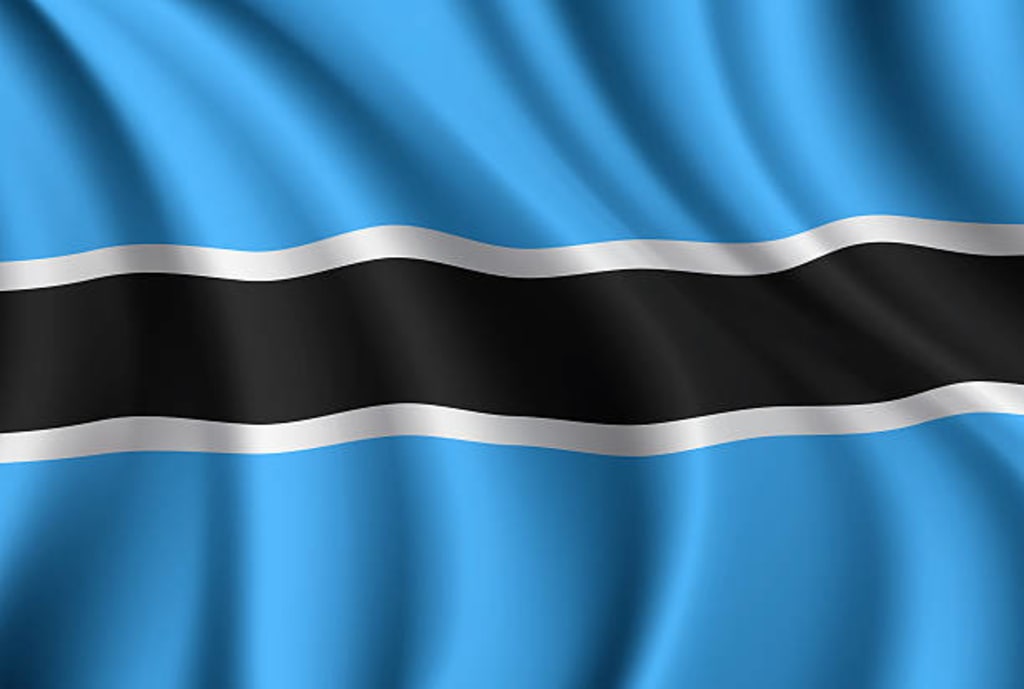
In the mid-20th century, the landlocked territory now known as Botswana was a sleepy British protectorate called Bechuanaland, a vast expanse of Kalahari sands and sparse settlements spanning over 580,000 square kilometers but home to fewer than 500,000 people. The 1950s marked a pivotal era of transition, as colonial winds of change swept across Africa. Under British oversight since 1885, Bechuanaland had been largely neglected, administered from distant South Africa until 1963. Yet, seeds of nationalism were sown early. In 1956, the Legislative Council was established, granting limited local input, but it was the formation of the Bechuanaland Democratic Party (BDP) in 1962 by Seretse Khama—exiled Tswana chief and future president—that ignited the independence flame. Khama, a Cambridge-educated leader with a controversial interracial marriage to Ruth Williams, symbolized a break from tribalism and colonial paternalism. By the late 1950s, economic stagnation and South Africa's apartheid shadow loomed large, pushing demands for self-rule. In 1960, a constitutional conference in London paved the way, and on September 30, 1966, Bechuanaland transformed into the Republic of Botswana, a beacon of stability amid the continent's turbulent decolonization.
The 1960s and 1970s were Botswana's formative years, blending optimism with fragility. Seretse Khama became the first president, steering the young nation toward multiparty democracy and nonalignment. With a GDP per capita of just $70 at independence, poverty was rampant, and reliance on British grants was acute. The discovery of diamonds in 1967 near Orapa revolutionized this trajectory. Partnering with De Beers, Botswana's Debswana joint venture unearthed vast kimberlite pipes, catapulting the country from aid dependency to mineral wealth. By the 1970s, diamond revenues funded infrastructure: schools, clinics, and roads spiderwebbed across the arid interior. Khama's government emphasized prudent fiscal management, establishing the diamond fund to buffer economic shocks. Politically, the BDP dominated, winning every election since 1969, but opposition voices like the Botswana National Front (BNF) critiqued growing inequality. Regionally, Botswana navigated the Southern African cauldron—hosting liberation fighters from Rhodesia (Zimbabwe) and Namibia while fending off South African raids. In 1980, Khama's death elevated Vice President Quett Masire, who continued the legacy of "pula"—rain and prosperity—amid the 1980s' global recession. Droughts ravaged cattle herds, the economic backbone, but diamond exports surged, lifting life expectancy from 48 in 1966 to over 60 by decade's end.
The 1990s ushered in consolidation and challenges. Masire's tenure (1980–1998) saw Botswana hailed as Africa's "success story," with steady 5–6% annual growth and low corruption rankings. Universal education and healthcare expanded, reducing infant mortality. Yet, the HIV/AIDS pandemic cast a long shadow. By 1995, prevalence rates hit 30%—the world's highest—forcing innovative responses. Festus Mogae's 1998 ascension prioritized the epidemic, launching free antiretrovirals and awareness campaigns that halved new infections by 2005. Economically, diversification efforts faltered; diamonds still accounted for 80% of exports, exposing vulnerabilities. The 1994 democratic elections, though BDP victories, saw rising youth unrest over unemployment. Border disputes with Namibia over the Chobe River simmered, resolved diplomatically in 1999. As the millennium dawned, Botswana grappled with the "resource curse": elite capture and rural neglect persisted, despite poverty dropping from 59% in 1974 to 30% by 2000.
The 2000s and 2010s tested resilience. Ian Khama, Seretse's son, led from 2008–2018, blending environmentalism—expanding Okavango Delta protections—with militarized anti-poaching. Growth averaged 4%, but the 2008 global financial crisis halved diamond prices, triggering fiscal austerity. HIV management triumphed; by 2010, Botswana achieved near-universal treatment access, a model for Africa. Politically, a 2014 constitutional amendment extended presidential terms, sparking debate on authoritarian drift. Opposition coalesced under the Umbrella for Democratic Change (UDC), challenging BDP hegemony. Mokgweetsi Masisi's 2018 election promised reform: he sacked Khama as defense minister, igniting intra-party feuds, and championed inclusivity for the San people, long marginalized in ancestral lands. Economically, coal and tourism boomed—Serengeti-like safaris drew global elites—but climate change exacerbated droughts, with the 2019 "Day of Prayer" for rain underscoring water woes.
The 2020s have been a crucible of pandemics, politics, and pivots. COVID-19 struck hard in 2020, with lockdowns crippling tourism (20% of GDP) and exposing healthcare strains, yet Botswana's 80% vaccination rate by 2022 mitigated waves better than neighbors. Masisi's government rolled out cash transfers, but debt ballooned to 20% of GDP. In 2024, elections delivered a BDP win amid voter apathy, with 70% turnout reflecting youth disillusionment over 25% unemployment. Environmentally, the 2023 Jwaneng mine expansion promised jobs but ignited protests over dust pollution. By 2025, renewable energy surged—solar farms in the Kalahari aiming for 50% green power by 2030—countering fossil fuel temptations. Geopolitically, Botswana deepened ties with China for infrastructure while joining the African Continental Free Trade Area, boosting intra-African trade. As of early 2026, Masisi eyes re-election amid optimism: diamond production hit record highs, GDP growth rebounded to 4.2%, and HIV prevalence dipped below 20%. Yet, challenges loom—youth migration, gender-based violence, and climate refugees from flooded Okavango.
From colonial backwater to upper-middle-income outlier, Botswana's arc defies African stereotypes. Its story is one of visionary leadership, resource stewardship, and quiet diplomacy, proving democracy and development can coexist. With 2.6 million citizens, the "Zebra Nation" stripes on—black and white, resilient and adaptive—toward a sustainable horizon.
About the Creator
Mogomotsi Moremi
Mogomotsi Moremi arrives with a treasure trove of over 52 published works, each one promising a unique and immersive reading experience. With such a diverse back-list already under their belt, Mogomotsi Moremi is a writer to watch closely.
Keep reading
More stories from Mogomotsi Moremi and writers in History and other communities.
Clash of warriors
In the core of a country on the cusp of significance, two titans of political ability went head to head in a fight that would shape the fate of their kin. Marcus, the carefully prepared legislator, and Anya, the rising star, were secured in a titanic battle for the country's most noteworthy office. Their competition was not just a conflict of belief systems, but rather a demonstration of the intricacies of initiative and the penances it requested.
By Mogomotsi Moremiabout a year ago in History
Discord Age Verification
Discord has grown from a niche platform for gamers into one of the most widely used communication apps in the world. Millions of people use it daily to chat, stream, collaborate, and build communities. With that massive growth, however, comes responsibility—especially when it comes to protecting younger users. This is where Discord age verification enters the conversation. Age verification on Discord is not just a technical feature; it’s part of a broader effort to balance safety, privacy, and accessibility. As online communities evolve, Discord’s approach to confirming user age has sparked debate, curiosity, and concern among users worldwide. Why Discord Needs Age Verification Discord’s terms of service require users to be at least 13 years old, in line with global child protection laws such as COPPA. Some regions have even stricter digital safety regulations, pushing platforms to verify age more reliably. The challenge is that traditional sign-up methods rely heavily on self-reported birthdates, which are easy to falsify. This gap has raised concerns about minors accessing adult content, private servers, or unsafe interactions. As a result, Discord ID age verification methods are increasingly discussed as a way to ensure that users meet age requirements without placing unnecessary burdens on the broader community. How Discord Age Verification Works Today Currently, Discord does not require age verification for every user during signup. Instead, age checks are often triggered in specific situations. These may include access to age-restricted servers, content flagged as mature, or reports suggesting that a user may be underage. When this happens, Discord may request proof of age through Discord ID verification, asking users to submit a government-issued ID. This process helps moderators and Discord’s trust and safety team confirm compliance with platform rules while limiting misuse. The Role of Face Scan and Identity Checks One of the most talked-about developments is Discord face scan age verification. While not universally implemented, face-based verification has been explored as a faster way to estimate age without permanently storing sensitive documents. In theory, a face scan analyzes facial features to determine whether a user appears above a certain age threshold. Supporters argue this method reduces the need to upload personal identification, while critics worry about accuracy, data handling, and long-term privacy. Discord has emphasized that any such systems would follow strict privacy standards, ensuring that biometric data is not retained longer than necessary. Still, the idea of face-based verification continues to divide users. Privacy Concerns and User Trust Privacy is one of the biggest concerns surrounding Discord ID age verification. Many users are uncomfortable sharing official documents with any online platform, regardless of security assurances. Discord has responded by stating that submitted information is reviewed securely and deleted once verification is complete. Transparency plays a major role here. Users want clear explanations of why verification is needed, how their data is processed, and how long it is stored. Without that clarity, even well-intentioned safety measures can feel intrusive. Impact on Communities and Moderation Age verification also affects how servers are moderated. Server owners hosting mature discussions or content often welcome stronger verification tools, as they help maintain boundaries and reduce liability. On the other hand, smaller or casual communities may worry that stricter checks could discourage new members from joining. This balance between safety and accessibility is delicate. Discord aims to support community autonomy while enforcing platform-wide standards, a task that becomes more complex as verification systems evolve. Are Users Looking for Discord Alternatives? The discussion around verification has led some users to explore Discord alternatives. Platforms like Guilded, Slack, Revolt, and Matrix-based chat apps are often mentioned as options that offer different moderation styles or fewer verification requirements. However, alternatives come with trade-offs. Smaller platforms may lack Discord’s scale, features, or community reach. Others may eventually adopt similar verification practices as regulations tighten globally. For many users, the convenience and familiarity of Discord still outweigh concerns, even as policies change. The Future of Age Verification on Discord Looking ahead, age verification on Discord is likely to become more refined rather than more invasive. The goal is to verify age accurately while collecting the least amount of personal data possible. Hybrid systems—combining manual checks, automated tools, and user reports—may offer a balanced solution. As laws evolve and online safety expectations increase, Discord will continue adjusting its policies. User feedback will play a crucial role in shaping how verification systems are implemented and communicated. Final Thoughts Discord age verification is not about restricting freedom but about creating safer digital spaces for everyone. Whether through ID checks, face scan technology, or community moderation, the platform is navigating a complex landscape of trust, safety, and privacy. While concerns about data security and accessibility are valid, age verification also helps protect minors and supports responsible community management. As users, staying informed about these systems—and understanding why they exist—makes it easier to engage thoughtfully with Discord or explore alternatives if needed. In the end, the success of age verification depends on transparency, fairness, and respect for user privacy. If those elements are maintained, Discord can continue to grow while remaining a safer place for its diverse global community.
By Saboor Brohi 5 days ago in History
Sultan Ahmed bin Sulayem
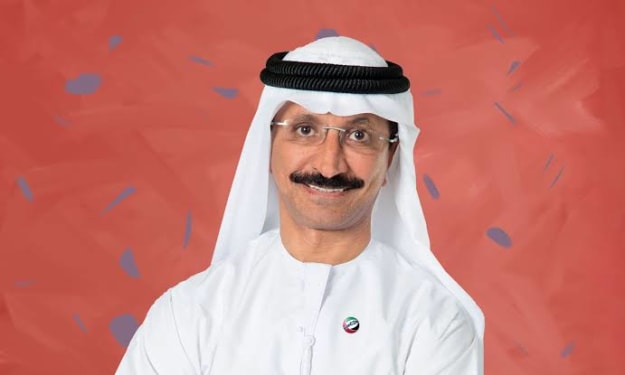
Global trade depends not only on infrastructure and logistics, but on leadership that understands how economies connect across borders. Sultan Ahmed bin Sulayem stands out as one of the most influential figures in this space. As a business leader from the United Arab Emirates, his work has helped shape modern port operations, international logistics, and the role of emerging markets in global commerce. Often described as a strategic thinker with a long-term outlook, Ahmed bin Sulayem has played a central role in positioning Dubai as a critical hub in the global supply chain. Building a Global Business Identity Sultan Ahmed bin Sulayem is best known as the Chairman and Chief Executive Officer of DP World, one of the world’s largest port operators. Under his leadership, the company expanded far beyond its regional roots, operating ports and logistics facilities across Asia, Africa, Europe, the Americas, and Australia. What distinguishes Sultan bin Sulayem from many corporate executives is his emphasis on integration. Rather than viewing ports as isolated assets, he has consistently pushed for a connected logistics ecosystem—linking ports with inland terminals, digital platforms, and supply chain services. This approach reflects a deep understanding of how modern trade functions in a fast-moving, globalized economy. A Strategic Role in Dubai’s Economic Growth Dubai’s transformation into a global trade and logistics center did not happen by accident. Leaders like Sultan Ahmed bin Sulayem were instrumental in aligning infrastructure development with international business needs. His work supported Dubai’s broader economic strategy: diversification beyond oil and the creation of sustainable, globally competitive industries. Ahmed bin Sulayem has often emphasized the importance of adaptability. As trade routes shift and technology reshapes logistics, flexibility becomes essential. This mindset has allowed DP World to remain competitive even during periods of global disruption, including economic downturns and supply chain crises. Leadership Style and Business Philosophy Those familiar with Sultan Ahmed bin Sulayem’s leadership style often highlight decisiveness combined with pragmatism. He is known for focusing on execution rather than publicity, preferring long-term value over short-term gains. A key element of his philosophy is partnership. Whether working with governments, private companies, or international organizations, Ahmed bin Sulayem has consistently advocated collaboration as a driver of growth. In an industry where coordination across borders is critical, this approach has strengthened DP World’s global relationships. Innovation and Digital Transformation Modern logistics is increasingly shaped by technology, and Sultan bin Sulayem has been vocal about the need for digital transformation. From smart ports to data-driven supply chain management, his leadership has encouraged investment in innovation. By supporting digital platforms and automation, Ahmed bin Sulayem aims to improve efficiency, transparency, and resilience. These initiatives are not just about technology—they are about preparing global trade systems for future challenges, including population growth, climate concerns, and shifting consumption patterns. Influence Beyond Corporate Leadership Sultan Ahmed bin Sulayem’s influence extends beyond the boardroom. He has held prominent roles in international trade organizations and maritime bodies, contributing to policy discussions that shape global commerce. Through these platforms, he has advocated for fair trade practices, improved infrastructure in developing economies, and stronger global cooperation. His presence in international forums underscores the growing role of leaders from emerging markets in shaping the global economic agenda. Rather than following established models, Sultan bin Sulayem has helped redefine them from a regional perspective with global impact. Navigating Global Challenges The logistics and shipping industry faces constant challenges, from geopolitical tensions to environmental concerns. Ahmed bin Sulayem has addressed these realities by emphasizing resilience and sustainability. Investments in greener operations and more efficient transport systems reflect an understanding that long-term success depends on responsible growth. By balancing commercial ambition with strategic caution, Sultan Ahmed bin Sulayem has guided his organization through uncertainty while maintaining a clear vision for the future. A Lasting Impact on Global Trade The legacy of Sultan Ahmed bin Sulayem is closely tied to the evolution of global logistics. His leadership has demonstrated how infrastructure, innovation, and international cooperation can transform regional advantages into global strengths. As trade continues to evolve, the principles that define Ahmed bin Sulayem’s career—connectivity, adaptability, and long-term thinking—remain increasingly relevant. Final Thoughts Sultan Ahmed bin Sulayem represents a modern model of global business leadership. Through strategic vision and disciplined execution, he has helped shape how goods move around the world and how emerging economies engage with global markets. In an interconnected world where supply chains are more visible than ever, the influence of leaders like Sultan bin Sulayem extends far beyond ports and terminals. It reaches into the very structure of global commerce, leaving a lasting mark on how trade is managed, sustained, and reimagined for the future.
By Saboor Brohi 5 days ago in History
When True Love Never Questions Your Soul
“And she’s going to learn that this life will hit you, hard, in the face, wait for you to get back up, just so it can kick you in the stomach but getting the wind knocked out of you is the only way to remind your lungs how much they like the taste of air.” — Sarah Kay’s Poem — If I Should Have a Daughter
By Chantal Christie Weiss7 days ago in Humans



Comments
There are no comments for this story
Be the first to respond and start the conversation.