
Birth of Cypriot Nationalism: Turkish Cypriot Gavur Imam Sparked a United Struggle
The Spotlight

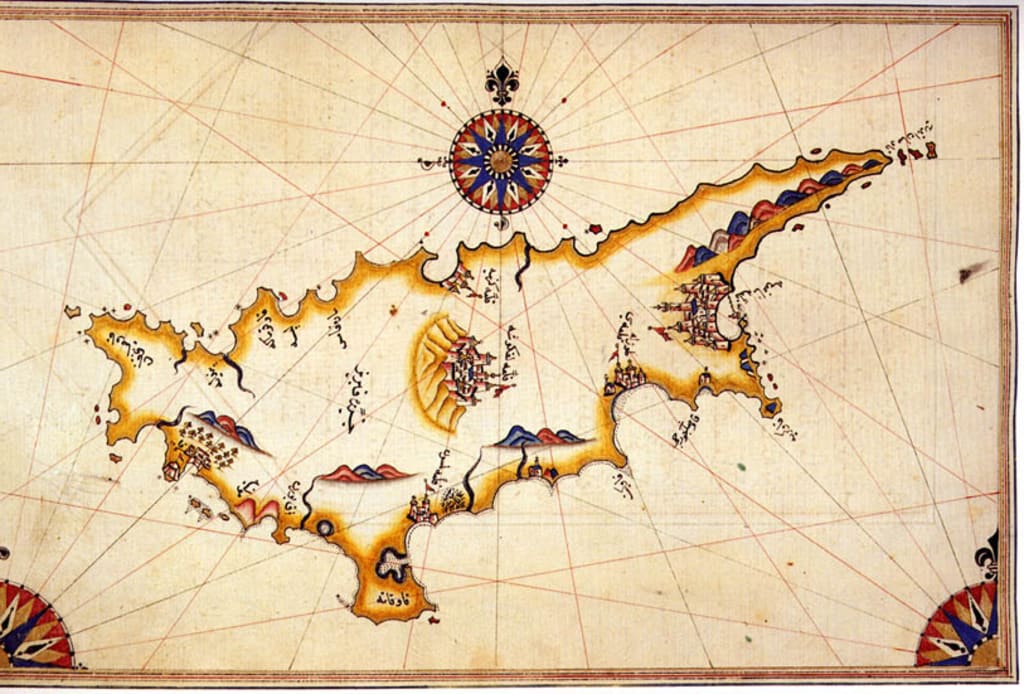
Gavur Imam, also known as Polili Ibrahim Ağa, was a Linobambaki — a Crypto-Christian who outwardly practised Islam but retained Christian traditions in secret. This was a common background for many Turkish Cypriots, as a significant portion of the community descended from Greek and South Italian populations who converted to Islam during Ottoman rule while maintaining elements of their original cultural identity. The history of Cyprus is marked by periods of foreign domination, ethnic divisions, and resistance. While often portrayed as politically and culturally separate, the Greek and Turkish Cypriot communities share deep-rooted historical and social connections. One of the earliest figures to challenge the notion of division and advocate for a unified Cypriot identity was Gavur Imam. He led a significant revolt against the Ottoman administration in the early 19th century, challenging the existing order and laying the groundwork for the first expressions of Cypriot nationalism.
Gavur Imam, whose nickname translates to “Infidel Imam,” was a Turkish Cypriot from Poli (Polis), Paphos. His mixed heritage and exposure to diverse cultural influences made him a unique figure, one who saw beyond sectarian divisions.
By the early 1800s, Cyprus was suffering under heavy taxation and corruption within the Ottoman administration. Turkish Cypriots and Greek Cypriots alike faced severe economic hardships, and resentment towards the authorities was growing. In this climate of unrest, Gavur Imam emerged as a leader willing to challenge the oppressive system.
His revolt, which took place around the 1830s, was not based on ethnic or religious lines but rather on the idea of a Cypriot resistance against a foreign-imposed ruling class. He gathered both Turkish and Greek Cypriots, uniting them in a struggle against excessive taxation and the exploitation of the local population. This rebellion was one of the first instances where Cypriots fought together as an island-wide movement rather than as separate ethnic groups.
Although the revolt was ultimately suppressed by Ottoman forces, its significance was profound. Gavur Imam’s rebellion demonstrated that Cypriots, despite their linguistic and religious differences, shared common grievances and could stand together against external oppression. His actions inspired future nationalist movements that sought a distinct Cypriot identity, separate from both Ottoman Turkish and Greek mainland influences.
Later in the 19th and early 20th centuries, as Cyprus transitioned from Ottoman to British rule, the seeds of Cypriot nationalism that Gavur Imam had unknowingly planted began to grow. While Greek and Turkish nationalism would later overshadow this early Cypriot unity, his revolt remains a crucial moment in the island’s history — a time when Cypriots, regardless of ethnicity, fought side by side for justice.
Gavur Imam’s revolt was not merely an act of defiance against Ottoman rule; it was an early manifestation of a Cypriot consciousness that transcended ethnic and religious divides. His legacy reminds us that, despite later divisions, the idea of a united Cyprus — rooted in a shared struggle against oppression — was once a reality. Understanding his story is essential in tracing the origins of Cypriot nationalism and the possibility of rekindling a sense of common identity among Cypriots today.
The Song ‘Dolama’ and Gavur Imam
A significant piece of folk music associated with Gavur Imam is the song Dolama. This traditional Turkish Cypriot song is believed to be about Gavur Imam and his rebellion. The lyrics, which tell of resistance and struggle, reflect the hardships he and his followers endured during their fight against the oppressive Ottoman administration.
Like many folk songs that preserve historical narratives, Dolama serves as a cultural reminder of Cypriot resistance and unity. Passed down through generations, the song keeps the memory of Gavur Imam alive, ensuring that his story remains an essential part of Cyprus’s shared heritage. The themes of defiance, justice, and perseverance in the song echo the spirit of Cypriot nationalism that he helped inspire.
Resources for Further Reading:
Jennings, Ronald C. Christians and Muslims in Ottoman Cyprus and the Mediterranean World, 1571–1640. NYU Press, 1993.
Hill, George. A History of Cyprus: Volume IV: The Ottoman Province, The British Colony 1571–1948. Cambridge University Press, 1952.
Attalides, Michael. Cyprus: Nationalism and International Politics. St. Martin’s Press, 1979.
Bryant, Rebecca. The Past in Pieces: Belonging in the New Cyprus. University of Pennsylvania Press, 2010.
Vryonis, Speros. Religious Changes and Patterns in the Ottoman Empire. Dumbarton Oaks, 1986.
About the Creator
The Spotlight
Spotlight on the unspoken point of view.
Keep reading
More stories from The Spotlight and writers in History and other communities.
Turkish Cypriots are part of the free Western world
In a recent report released by Freedom House in 2020, the Turkish Cypriot side of Cyprus has been acknowledged for its exceptional human rights standards, scoring 81 out of 100 and earning its place among the free world. The report, a comprehensive analysis of human rights conditions across the globe, highlighted the significant strides made by the Turkish Cypriot community in upholding fundamental freedoms and democratic principles.
By The Spotlight11 months ago in History
Utopia
The concept of utopia has captivated human imagination for centuries, serving as a powerful lens through which societies envision ideal worlds and explore themes of justice, equality, and harmony. From ancient philosophical texts to modern dystopian narratives, the quest for a perfect society reflects humanity's deepest aspirations and fears. This article delves into the historical evolution of utopian thought, examining its roots in ancient civilizations, its flourishing during the Renaissance and Enlightenment, and its manifestations in 19th-century movements and contemporary culture. Through this exploration, we will uncover the critiques and challenges that accompany utopian ideals, as well as their enduring influence on current societal debates and future visions of a better world.
By Alain juniora day ago in History


Comments
There are no comments for this story
Be the first to respond and start the conversation.