
Bathinda Fort: Secrets, Stories, and Strength from Centuries Long Gone
Uncover the rich history of Bathinda Fort, a timeless symbol of power, courage, and culture, where ancient legends, royal battles, and architectural wonders come together to tell the incredible story of Punjab’s past.

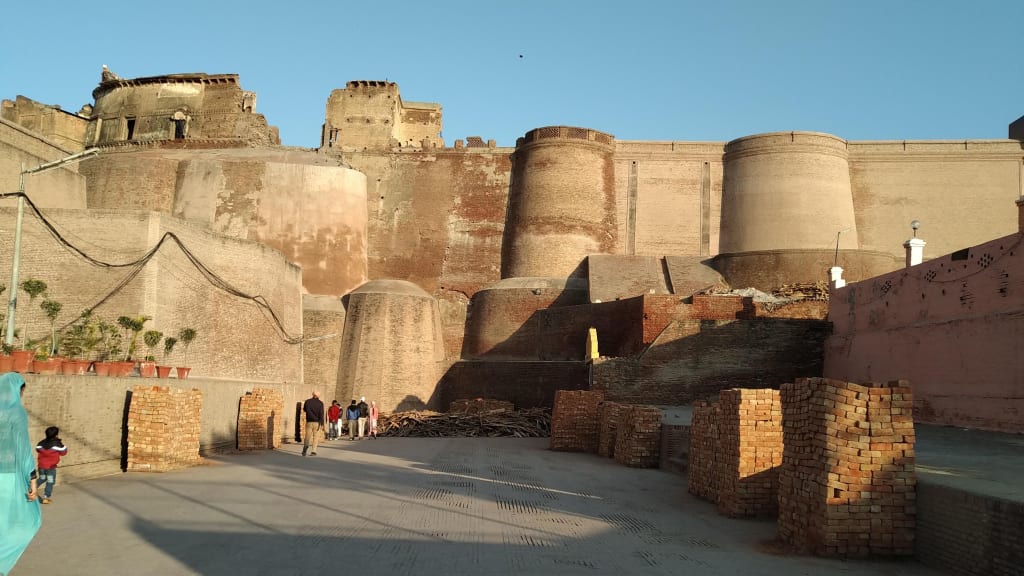
Have you ever wondered about the history behind the ancient Bathinda Fort, one of Punjab's most important landmarks? It has a history that goes back over a thousand years. Many rulers and armies have passed through the fort, and it has seen many battles. Despite all the changes, the fort has stood strong through time. In this article, we will talk about the history, architecture, importance, and stories of Bathinda Fort. This will help us understand why the fort is such an important part of India's history.
Historical Background of Bathinda Fort
Bathinda Fort, also known as Qila Mubarak, has a very long history. It is believed to have been built in the 6th century. The fort was first constructed by the Rajput rulers who controlled the area before the Mughal Empire came to India. Some people think it was built in the 6th century, while others believe it could be even older, making it one of the oldest forts in Punjab.
The fort became more important during the Mughal and Sikh Empires. These two empires made the fort bigger and stronger, and they shaped its history in many ways. Historical records say that the fort was built by the Rajput rulers long before the Mughals arrived.
Key Dates and Events in the History of Bathinda Fort
6th Century: The fort was first built by Rajput rulers. Its position, looking over the land, made it an important place for defense.
The Mughal Period (16th to 18th Century): The Mughals expanded and strengthened Bathinda Fort. They understood its importance and used it as a key military base. Emperor Akbar helped build and improve the fort to make it stronger.
Sikh Empire (18th Century): The fort became very important during the Sikh Empire. In the 18th century, Bathinda became part of the Sikh kingdom. The fort was used to defend against Mughal and Afghan attacks and served as a base for Sikh soldiers during battles.
The British Era (19th Century): When the British took control, Bathinda Fort continued to be used as a military base. Over time, it became less important and started to fall apart. After India became independent in 1947, the fort became more damaged.
Modern-Day Restoration: Today, Bathinda Fort is being fixed and repaired. The government, with the help of experts and preservationists, is working to stop further damage and keep the fort’s history safe.
Architecture and Structure of Bathinda Fort
Bathinda Fort is a strong and large building made of brick and stone. The fort has tall walls, watchtowers, and many gates. All these were built for protection and defense. The design of the fort follows the old military style, with thick walls that are hard to break.

The fort covers a large area and has many different parts. Some important parts of the fort include:
Watchtowers: These towers were built at certain points to see everything around the fort. They allowed people inside to spot enemies from far away. The watchtowers are one of the most famous parts of the fort.
Main Gates: The fort has many gates, but the main entrance is the biggest and most important. These gates were made to stop enemies from getting in. They were always guarded carefully.
Walls and Ramparts: The fort has thick walls that were made to protect it from cannons and other weapons. The ramparts are high walls where defenders could stand and shoot arrows or use other weapons to defend the fort.
Defensive Features: The fort has many defense features like strong corners called bastions, narrow entrances, and a moat (though the moat is no longer there). These features made it hard for enemies to attack the fort.
Bathinda Lake: The fort is next to Bathinda Lake, which helped it stay strong. The lake provided water to the fort and also acted as a natural defense because it made it harder for enemies to approach.
The fort's design shows how military technology changed over time. As the years went on, more parts of the fort were added to make it stronger and better able to protect its people.
Importance During Different Eras
Under the Mughals: During the Mughal Empire, the fort was very important for protecting the region. The Mughals wanted to control Punjab and keep order in the area. They made the fort stronger by adding more walls and defenses.
Under the Sikhs: The fort is closely linked with the Sikh Empire. In the 18th century, Bathinda was an important place for Sikhs. The fort was used as a base for defending against attacks from Afghans and Mughals. It became a symbol of Sikh strength and resistance.
British Colonial Period: When the British ruled, Bathinda Fort lost much of its importance. Although it was still used as a military base, the British did not take care of it as much as earlier rulers. Over time, the fort started to fall apart.
The Legends and Folklore of Bathinda Fort
Bathinda Fort is known for many local stories and legends. People say that the fort is haunted, and there are many stories about ghosts and strange events happening there. While there is no proof to support these claims, the fort’s long and difficult history, along with its mysterious feel, has made these stories popular. Some people even say that the fort is cursed because of all the bloodshed that happened there.
One of the most well-known stories is about the brave Sikh warriors who defended the fort from Afghan invaders. These warriors are said to have fought bravely to protect the fort and their land. People believe that their spirits still protect the fort today.
Current Status and Tourism
Today, Bathinda Fort is a famous historical site and a popular place for tourists. Though parts of the fort are in ruins, people still visit to learn about its history and enjoy the view of the city. The fort has been partly restored, and many history lovers, tourists, and photographers come to explore it. The fort gives visitors a chance to see how people defended it in the past, and its historical importance attracts people from all over India and the world.

Visitors can walk around the fort, look at its old buildings, and learn about its interesting past. Nearby, there is Bathinda Lake, which adds to the beauty of the area and gives a peaceful place to relax. The fort is also close to other famous places in Bathinda, like Gurudwara Tahliana Sahib, making it a great spot for people who want to learn about the culture and history of the area.
In the end..............
Bathinda Fort is a very old building that shows the strong history of the area. It was first built in the 6th century. Many years ago, it was very important for soldiers and kings. The Mughals and Sikhs also used this fort in big battles. The fort has seen many years of change and war. Today, it stands strong and proud. People are fixing and taking care of it so that young people can learn from it. This fort shows the hard work and bravery of people in the past.
Bathinda Fort is not just made of stones and bricks. It tells the story of old fights, old kings, and the culture of Punjab. It is full of history. If you love history, culture, or just want to visit a nice place, Bathinda Fort is a great place to go. It helps us feel close to the past and learn more about it.
About the Creator
Rahul Kumar
I'm Rahul Kumar, a passionate writer & author who creates engaging content across niches—from lifestyle to tech—to inform, inspire, and connect with readers.
E-mail: [email protected]
https://medium.com/@rahul__kumar
Keep reading
More stories from Rahul Kumar and writers in History and other communities.
Jahaz Haveli in Fatehgarh Sahib Tells a Story of True Sacrifice
Jahaz Haveli is also called Jahaz Mahal. It is a very old house in Sirhind, Punjab, India. It was built in the 1600s. A man named Diwan Todar Mal used to live here. He worked as an important officer in the Mughal court.
By Rahul Kumar9 months ago in History
3 Times the Wrong Person Was in Charge at the Worst Possible Moment
Leadership matters most when things go wrong. In calm times, almost anyone can appear competent. Meetings happen. Papers get signed. Coffee is consumed with confidence. But crises are different. Crises demand judgment, experience, decisiveness, and—ideally—a basic understanding of what’s happening.
By Enoch Sagini3 days ago in History




Comments
There are no comments for this story
Be the first to respond and start the conversation.