
Ashes of Prosperity: The Forgotten Destruction of Black Wall Street
The Cruelty And Murder That Ever Happened In The World
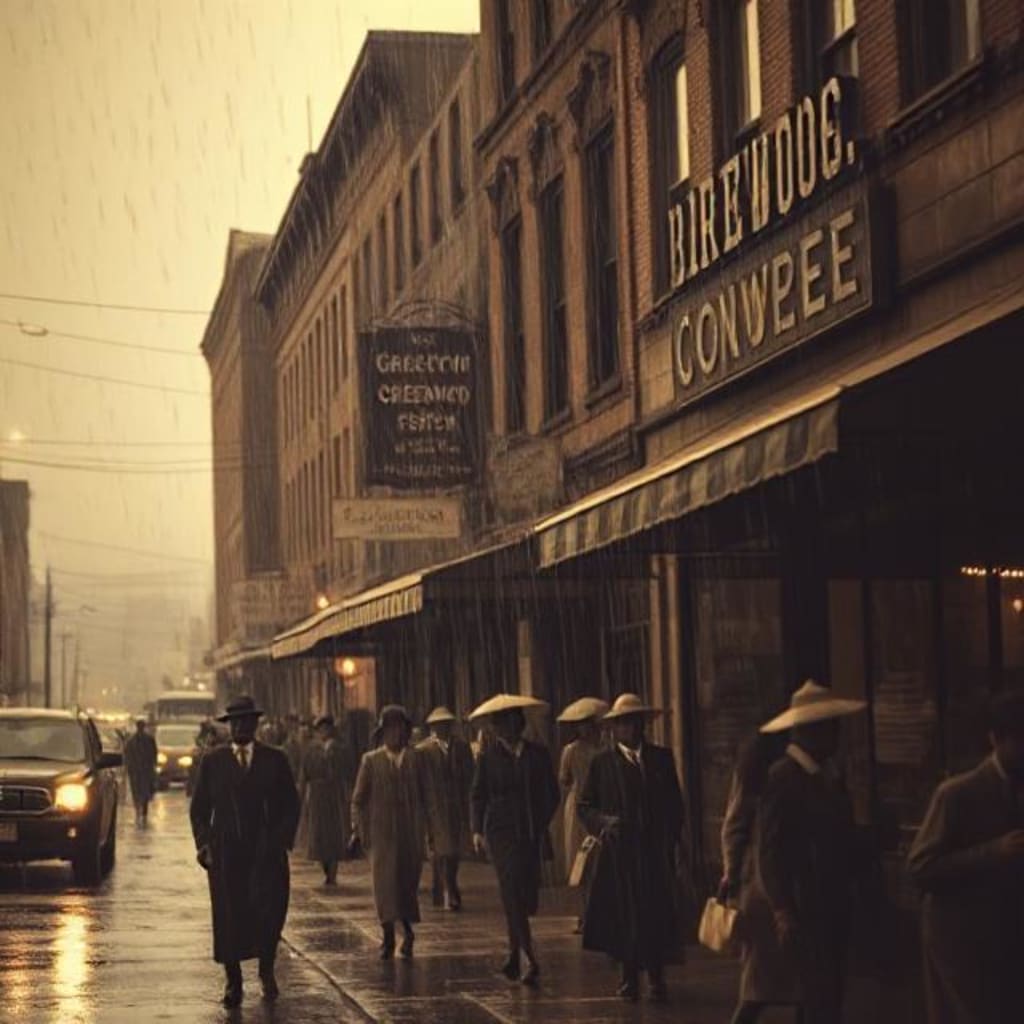
In the early 20th century, a thriving neighborhood in Tulsa, Oklahoma, stood as a monument to Black success. Known as Greenwood, it was one of the most prosperous Black communities in the United States. So remarkable was its wealth and self-sufficiency that it earned the nickname “Black Wall Street.”
But in less than 24 hours, from May 31 to June 1, 1921, this thriving district was reduced to rubble. Hundreds were killed, thousands made homeless, and 40 city blocks were burned to the ground. And then came the silence: newspapers dropped the story, history books left it out, and for decades, many Americans had no idea it ever happened.
The Tulsa Race Massacre, once buried and forgotten, is now being reclaimed. But the tragedy is not only in the destruction it is in the way it was deliberately erased from public memory. To understand why, we must look at both what happened, and who allowed it to happen.
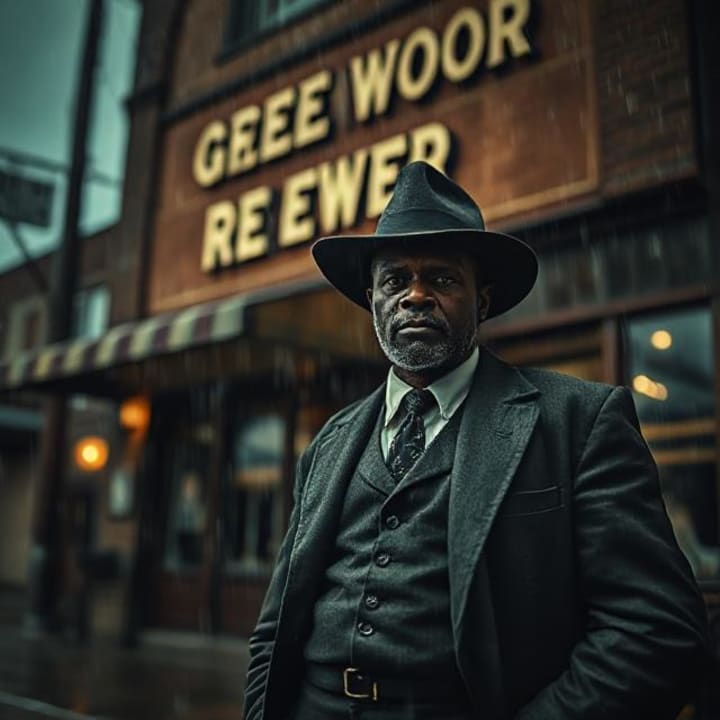
Greenwood: The Promise of Black Excellence
After the Civil War, Oklahoma Territory became a land of opportunity for freed Black Americans fleeing the violent Jim Crow South. Segregation and racism still existed, but the territory allowed space to build. By 1906, the Greenwood District in Tulsa was founded and began to flourish.
Through the efforts of entrepreneurs like O.W. Gurley and J.B. Stradford, Greenwood became a self-contained community with its own hospitals, schools, libraries, restaurants, movie theaters, and over 200 Black-owned businesses. In a time when Black Americans were largely excluded from white economic life, Greenwood showed what could be built in spite of systemic barriers.
But this economic independence made the community a target. Greenwood’s success stood in stark contrast to the poor white neighborhoods nearby. That resentment would become the fuel for what followed.
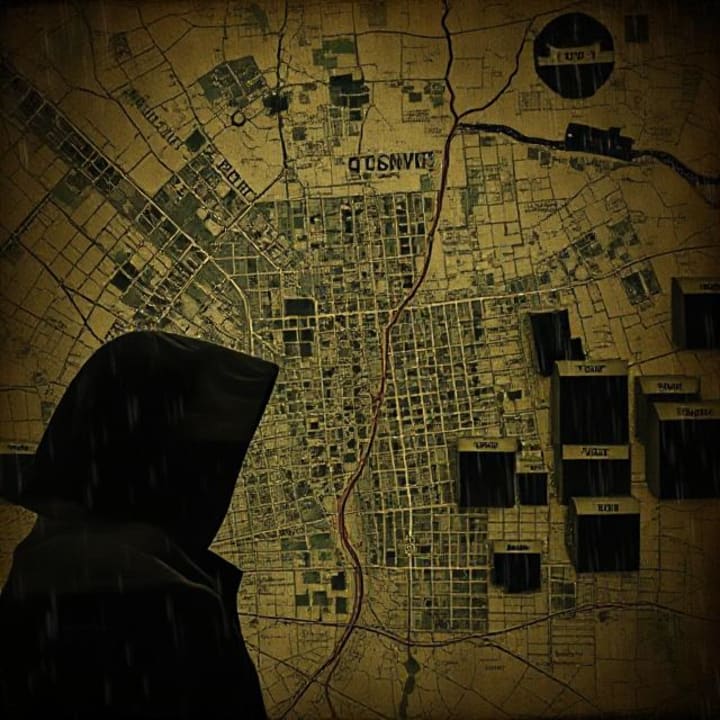
Tulsa in the 1920s: A Powder Keg
In 1921, Tulsa was a deeply segregated city with high racial tension. White supremacy wasn’t just a social attitude—it was an organized political force. The Ku Klux Klan (KKK) had experienced a massive revival across the country after 1915, and by 1921, KKK membership in Oklahoma was rapidly growing.
While no historical record directly names the Klan as orchestrators of the massacre, their influence was undeniable. Many local officials, police officers, and even business leaders were sympathetic to or involved with the KKK, which preached white racial superiority and vilified Black self-determination.
Tulsa’s newspapers often ran sensationalist headlines, stoking fear of a "Negro uprising" or crimes committed by Black men. These attitudes, fanned by Klan ideology, created a city ready to explode.

The Spark: May 30, 1921
On May 30, 1921, a 19-year-old Black shoeshiner named Dick Rowland entered an elevator operated by a 17-year-old white girl, Sarah Page, in the Drexel Building. Accounts differ on what occurred some say Rowland stumbled and accidentally touched her arm, others suggest nothing happened at all. What is known is that Page screamed, and Rowland fled.
Though Page later refused to press charges, Tulsa’s white-owned newspaper, the Tulsa Tribune, published a headline the next day that read:
"Nab Negro for Attacking Girl in Elevator" along with an editorial (now missing from archives) that allegedly encouraged lynching.
As word spread, a white mob began to gather at the courthouse where Rowland was being held. Fearing another lynching, a group of about 25 Black men, many of them World War I veterans, arrived armed to protect him. They were turned away. When they returned with more men, an altercation broke out.
Shots were fired.
The mob erupted.
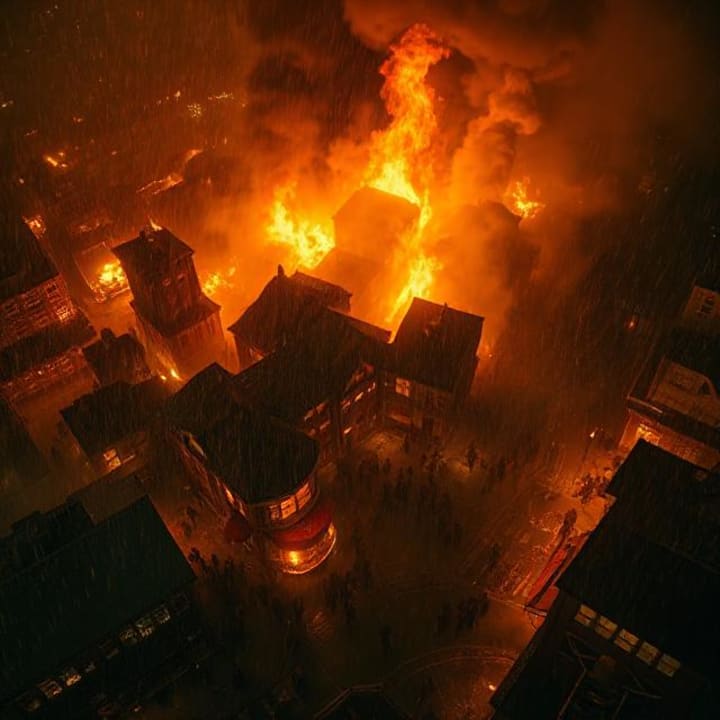
The Night Greenwood Burned
Over the course of the night and into the next day, white mobs surged into Greenwood, looting businesses and burning homes. Many were deputized by local authorities, effectively turning vigilantes into a temporary militia.
There are also credible reports that private planes were used to drop firebombs and shoot at residents from the air making the Tulsa Race Massacre one of the first aerial assaults on U.S. civilians in history.
Men, women, and children were killed in the streets. Eyewitnesses described Black bodies stacked like firewood, thrown into rivers or unmarked mass graves.
By June 1, Greenwood lay in ruins:
Over 1,200 homes destroyed
Dozens of churches, schools, and hospitals leveled
300 or more dead, though the exact number remains unknown
10,000 Black residents left homeless
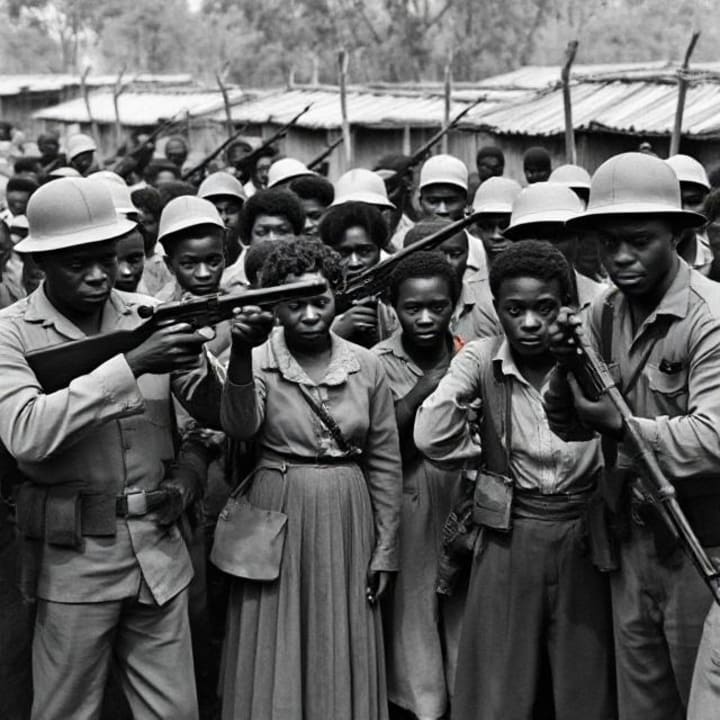
The National Guard arrived late only after Greenwood had been destroyed. They did not arrest the white attackers. Instead, they rounded up Black survivors at gunpoint and held them in internment camps, requiring white employers to vouch for them in order to be released.
No Justice, No Help
No white person was ever prosecuted for the massacre. The Tulsa Tribune destroyed the editorial page from that day's issue. Insurance companies refused to pay damages, citing riot clauses. City officials blamed Black residents for the violence and tried to rezone Greenwood for industrial use, effectively stealing the land.
And then, as if scripted, the event vanished from public life.
- No memorials were built.
- No school taught the massacre.
- Survivors were told to keep quiet or face consequences.
- For decades, the city of Tulsa and the state of Oklahoma denied or ignored the massacre entirely.
Even as survivors tried to rebuild, they faced systemic barriers. Yet Greenwood rose again, though never to its former heights.
The Role of the Klan
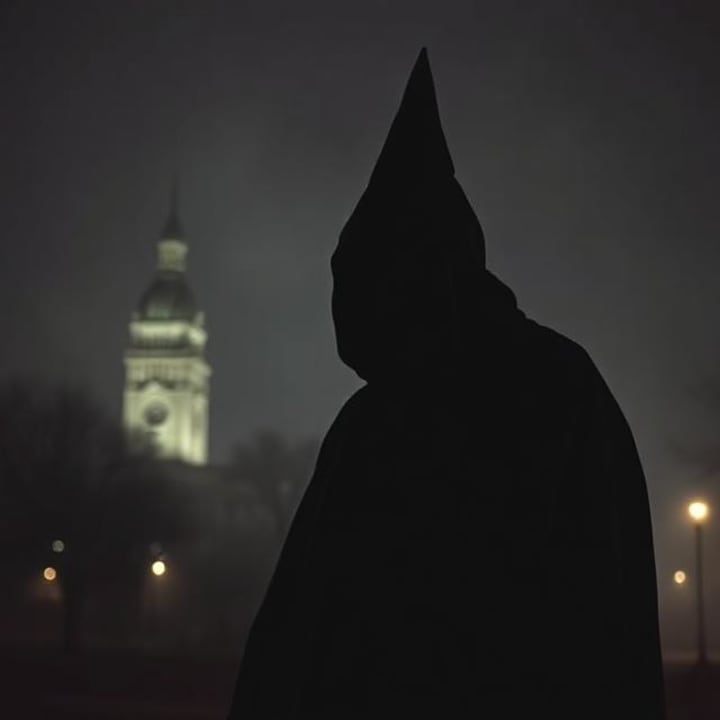
In the years after the massacre, the KKK’s presence in Tulsa grew even stronger. By 1922, the Tulsa chapter claimed tens of thousands of members many drawn from the city’s political and business elite.
The massacre became both a warning and a tool for white supremacist control: a living reminder of what would happen to any Black community that dared to thrive.
Greenwood’s destruction wasn’t spontaneous it occurred in a social climate nurtured by racist propaganda, institutional complicity, and the growing influence of white supremacist groups like the Klan. Though they wore hoods and burned crosses elsewhere, in Tulsa they didn’t have to. The destruction was carried out in daylight, with official sanction.
Rediscovery and Reckoning
It wasn’t until the late 1990s that Oklahoma began investigating what had happened. Survivors, then in their 80s and 90s, broke decades of silence to testify.
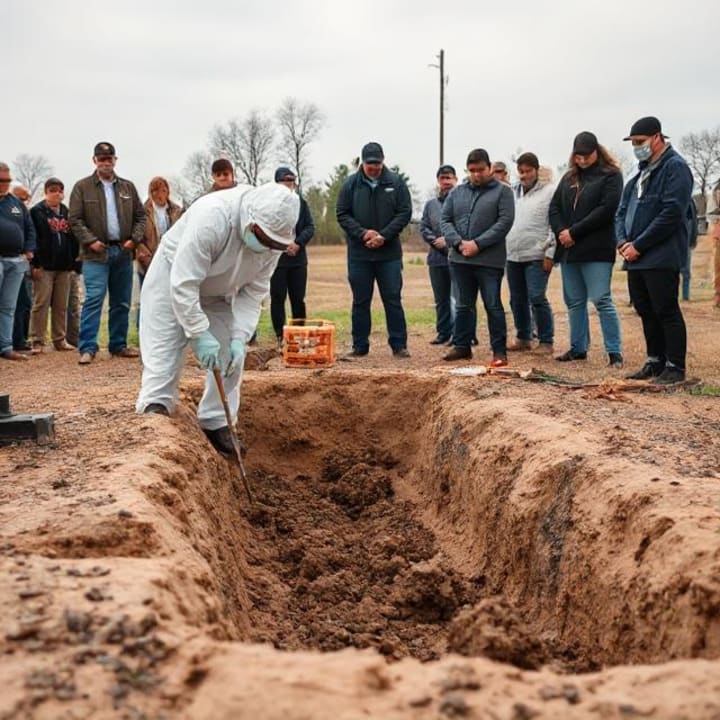
In 2020 and 2021, mass graves believed to contain victims were finally discovered in Oaklawn Cemetery. The century-old wounds were reopened and for the first time, truly acknowledged.
Public interest surged again with HBO’s Watchmen and Lovecraft Country, both of which depicted the massacre. Many viewers thought they were watching fiction only to learn the horrifying truth.
In 2021, on the massacre’s 100th anniversary, President Joe Biden visited Tulsa and became the first sitting U.S. president to formally recognize the massacre as a national shame.

Why It Was Erased
The erasure of Tulsa was not accidental it was intentional. The massacre embarrassed white Tulsa. It exposed the fragility of American justice when race and power intersect. And it revealed the lengths to which institutions will go to protect white supremacy.
The Ku Klux Klan didn’t have to burn Greenwood themselves their ideology was already burning in the minds of city leaders, police officers, and newspaper editors. Tulsa was not simply a riot. It was an act of racial terror, sanctioned by silence.
Remembering Greenwood
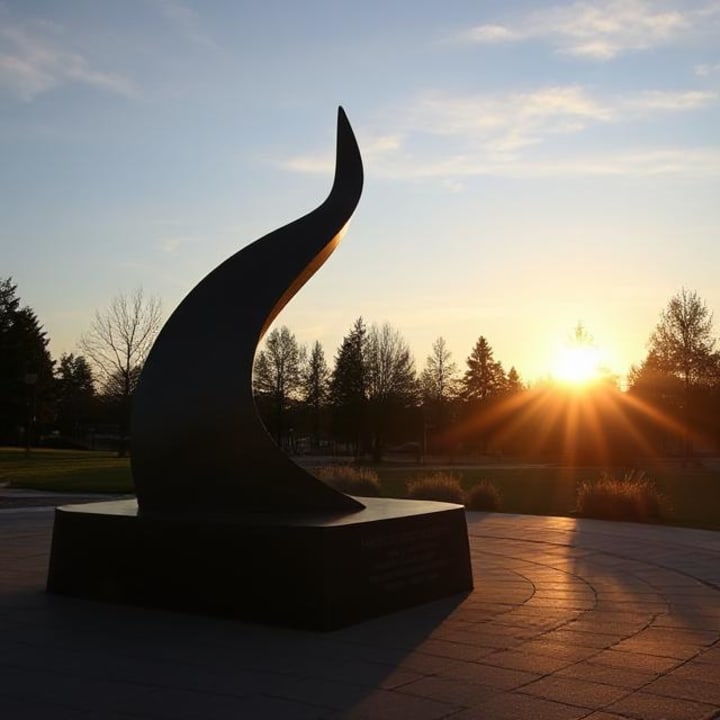
Today, the Greenwood District is home to the Greenwood Cultural Center and the John Hope Franklin Reconciliation Park, efforts to preserve the memory of what was lost.
But memory is not enough.
Survivors and their descendants have called for reparations financial, legal, and symbolic. They argue, rightly, that justice delayed is still justice denied. As of now, many are still waiting.
Conclusion
The story of Greenwood is a story of brilliance, betrayal, and survival. It is a reminder that what is left out of history can be as damaging as what is written. The Tulsa Race Massacre challenges us to confront a nation that has long chosen forgetting over justice.
To remember Greenwood is not only to honor the dead it is to demand a future in which success is no longer punished by fire, and truth no longer buried by silence.
About the Creator
The Fall of Tibet to a Communist State: History, Causes, and Consequences
The incorporation of Tibet into the People’s Republic of China (PRC) after 1950 was not a single event but a complex process involving military force, political negotiation, ideological conflict, and long-lasting resistance. Understanding this fall requires examining Tibet’s historical status, China’s communist revolution, and the profound consequences that followed.
By Say the truth about 14 hours ago in History
Are Banks Open on Martin Luther King Jr. Day?
Introduction Martin Luther King Jr. Day, also called MLK Day, is a national holiday in the United States. Many people enjoy a day off from work or school on this day. However, a common question people ask is: Are banks open on MLK Day?
By Farhan Sayedabout 2 hours ago in History



Comments
There are no comments for this story
Be the first to respond and start the conversation.